
Table of Contents
Introduction
Dropshipping gets thrown around like it’s some secret growth hack, but the idea is honestly pretty plain. A store lists a product, a customer buys it, and the supplier ships it out while the store keeps whatever margin is left. That’s the skeleton. Nothing fancy hiding underneath.
Where it gets interesting is in how this simple setup plays out day to day. For people dipping a toe into e-commerce, it feels like a softer landing. No boxes leaning against the hallway wall. No guesswork about how many units to order. No money is frozen in products that end up collecting dust. The store sells, the supplier fulfills, and on most days, it runs smoothly enough. A late shipment here and there happens, sure, but that’s the nature of any supply chain, not just dropshipping.
What makes it relevant now has more to do with the environment than the model:
- Setting up an online store costs far less than it did even a few years ago.
- Many suppliers have tightened their shipping times; not perfect, but better.
- New founders want to test ideas without risking their savings.
- Trends move quickly, and businesses need room to experiment before locking into big inventory bets.
Traditional e-commerce still wins when it comes to control and margins. No debate there. When a brand holds its own inventory, the experience can be tighter, from packaging to delivery times. But that comes with overhead, forecasting, storage, and the quiet stress of “what if this doesn’t sell?”
Dropshipping sits somewhere between curiosity and commitment. It’s not meant to be a forever model for everyone. But it’s a smart starting point. A way to understand demand patterns, customer behavior, and which product ideas actually stand a chance before scaling into something heavier.
Think of it less like a shortcut and more like a workable first draft; a way to learn the rhythm of online commerce without taking on the whole weight at once.
What is Dropshipping?
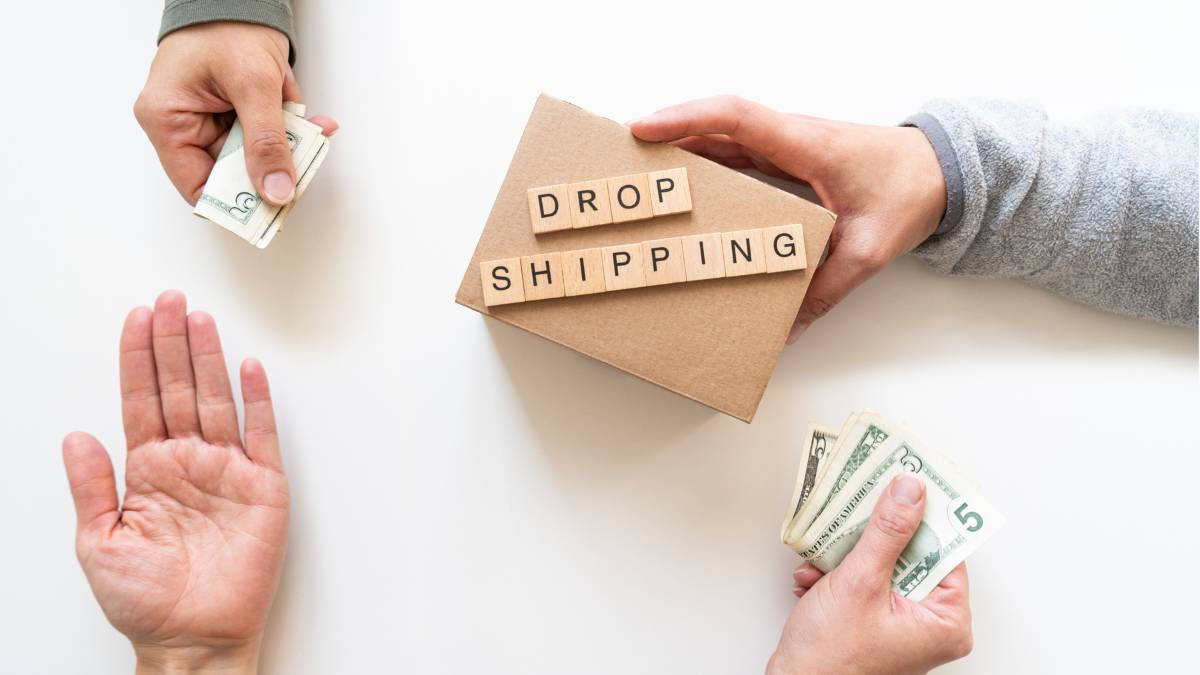
To put it plainly, dropshipping is a retail setup where the seller doesn’t hold the products being sold. Instead, every order goes straight to a supplier or wholesaler, and they ship it to the customer. The seller acts as the face of the business; the website, the marketing, and the customer communication. Everything else happens out of sight.
A few distinctions matter because people often mix these up:
Dropshipping supplier/wholesaler:
Stores their own inventory and sends products out when orders come in.
Wholesale vs dropshipping:
Wholesale requires buying large quantities upfront. Dropshipping doesn’t require buying anything ahead of time.
Private label:
Products with custom branding usually involve bigger commitments and minimum order quantities.
Print-on-demand:
Items are printed only after a customer orders them. Technically, a branch of dropshipping.
There’s also the recurring question: Is dropshipping still legal and worthwhile?
Yes, completely legal. And profitability depends more on execution than the model itself. Many stores fail because margins are thin, products are poorly chosen, or suppliers aren’t reliable. The model isn’t the problem; the approach usually is.
How Does Dropshipping Work Step-by-Step?
The workflow is simpler than most new sellers expect. It looks roughly like this:
- Pick products worth selling.
- Find a supplier who already stocks those items.
- Add the products to your store, usually with your own pricing and presentation.
- Customers place orders on your site.
- You pass those orders to the supplier.
- The supplier packs and ships the items straight to the customer.
- You keep the difference between what the customer paid and what you paid the supplier.
That’s the entire loop.
A “dropshipping store” can live on almost any platform: Shopify, WooCommerce, third-party marketplaces, or even social commerce setups. The platform isn’t the important part; the flow between you, your supplier, and your customer is.
Here’s how the roles break down:
- Supplier: Handles stock, packaging, and shipping.
- Retailer (you): Handles marketing, site content, and customer communication.
- Platform: Provides the storefront and checkout.
- Customer: Buys the product and receives it directly from the supplier.
Behind the scenes, the fulfillment chain depends heavily on the supplier’s systems. Good suppliers send order updates, tracking numbers, and inventory status without you needing to chase them. Weak suppliers… don’t. And that’s usually where beginners run into trouble.
Once the basic flow is understood, dropshipping stops feeling like a loophole and starts looking like a lean version of ecommerce, one where the real work sits in choosing the right products, keeping communication clear, and managing expectations without overpromising.
Pros and Cons of Dropshipping
Dropshipping looks incredibly convenient from the outside, and in many ways it is. But it also comes with a few trade-offs that catch beginners off guard. Understanding both sides up front helps avoid the usual “Why isn’t this working?” moments that pop up later.
Advantages of Dropshipping
1. Low startup cost
One of the biggest draws is the minimal upfront investment. There’s no need to buy 500 units of something and hope it sells. A store can launch with a small budget and grow gradually instead of betting everything on a bulk order.
2. No inventory management
There’s no warehouse to run, no stock to track, no packing tables. This alone removes a huge chunk of operational stress. Most of the behind-the-scenes work stays with the supplier.
2. Easy to test products
Because there’s no inventory commitment, testing multiple items becomes fairly straightforward. If a product doesn’t click, it’s simple to move on without any leftover stock staring back from a shelf.
3. Scalable ecommerce model
Scaling doesn’t revolve around storing or shipping more products. If a supplier is reliable, operations can grow without hiring staff to manage boxes. The main effort shifts toward marketing and improving the store experience.
4. Wide product selection for dropshipping niches
Niche exploration becomes much easier when you’re not tied to one category. Sellers can adjust their catalog more freely; household gadgets one month, pet accessories the next; until a direction starts to feel stable.
Disadvantages of Dropshipping
1. Lower profit margins
Because the supplier handles fulfillment, the product cost is usually higher than wholesale pricing. Margins can feel thin, especially in crowded niches. This pushes sellers to be smart about pricing and product selection.
2. Shipping delays
Depending on the supplier, shipping can take longer than customers expect. When delays happen, the customer usually blames the store, not the supplier they’ve never heard of.
3. No branding control
Most dropshippers rely on generic products. That limits how much the store can stand out. Custom packaging, inserts, or brand-first experiences are harder to pull off without a deeper supplier relationship.
4. Supplier errors
Wrong items, damaged products, stock mismatches; these issues happen, and the store is responsible for smoothing things over. Even great suppliers slip occasionally, which means customer service needs to be solid.
5. High competition in trending niches
When a product starts trending, dozens of sellers jump in almost instantly. If a store is selling the same item as everyone else, differentiation has to come from the brand, positioning, or marketing, not the product itself.
Dropshipping isn’t perfect, but it’s also not the shaky model some people assume. It’s just a business structure with strengths and limits, and the stores that succeed are usually the ones that understand both right at the start.
How to Start a Dropshipping Business
This is the part everyone jumps to first: the “okay, but how do you actually start?” section. Setting up a store isn’t the hard part; clicking buttons is easy. It’s the decisions before and after that shape whether the business feels smooth or chaotic. When the foundation is right, everything else falls into place a little easier.
1. How to Start Dropshipping for Beginners
A simple, practical roadmap tends to save beginners from the usual mess. Most sellers follow this order because it keeps things clean and prevents the “why isn’t anything working?” loop.
Choose a profitable dropshipping niche
A niche should feel specific, not vague. Something like “pet grooming tools” speaks to a real group of buyers. “Pet stuff” is so wide that the store ends up trying to be everything, which rarely works. A focused niche gives the store an actual identity.
Validate product demand
Before adding a product, check whether real people show consistent interest in it. Trends are fine, but steady demand is better. If a product solves a small annoyance or a recurring problem, that’s usually a healthy sign.
Find trusted dropshipping suppliers
A good supplier quietly makes your life easier. Stock reliability, proper packaging, and decent delivery times matter more than shaving off a dollar in cost. A cheap supplier who messes up orders becomes a daily headache.
Create an e-commerce store
The store doesn’t need to look like a world-class brand on day one. Clean layout, easy navigation, readable text; that’s enough. Shoppers mainly want clarity and a sense that the store isn’t sketchy.
Import products and write human product descriptions
Descriptions should talk like a person, not a catalogue. Explain what the product actually does, why it helps, and what someone might be wondering. Answer the small questions buyers have in their heads.
Set pricing and margins
Look at the full picture: product cost, shipping, transaction fees, possible returns. Margins that seem “okay” at first can disappear fast. If the math feels tight, don’t force it. There are plenty of other products.
Set up a payment gateway
A store isn’t real until customers can pay without friction. Pick something familiar and stable.
Place a test order before going live
This step gets skipped all the time. A test order shows how long shipping actually takes, whether the supplier packs things well, and where the process feels clunky. Fixing issues early saves money and stress later.
2. Choosing a Dropshipping Niche
A niche is the pocket of customers your store tries to serve. When the niche makes sense, marketing becomes easier and the store feels cohesive instead of random.
Things worth paying attention to:
- A group of people who actually care about the category
- Products that aren’t oversized or fragile
- Items with a manageable shipping cost
- Opportunities for repeat purchases or small add-ons
Strong niches often sit between evergreen and trending. Evergreen categories (like home tools or pet accessories) bring stability. Trending items can give the store a boost. A mix of the two keeps things flexible.
When researching, look for patterns, not one-day hype. Consistent interest beats loud spikes that vanish as fast as they appeared.

Apply Now: Digital Marketing Course
3. Dropshipping Product Research
A good product usually gives itself away once you get used to spotting certain traits. Winning items tend to:
- Solve a specific problem or frustration
- Feel a bit unique or not overly commoditized
- Have a simple, immediate benefit
- Be lightweight and straightforward to ship
- Look appealing in photos or short videos
When evaluating each product, think about:
Demand: Are people already searching or buying similar things?
Competition: Will customers see the same product from ten other stores?
Margins: Is there enough leftover after fees to actually grow?
Customer experience: Will buyers be pleased when they open the package?
Avoid items that are fragile, oddly heavy, full of inconsistent reviews, or wildly generic. Those products usually lead to refunds and unhappy emails.
4. How to Find Dropshipping Suppliers
Suppliers are essentially partners, even if the relationship feels distant. A strong supplier keeps everything steady; a poor one can drag the business down fast.
Sellers often start with common supplier networks, then branch out into:
- Local suppliers (faster delivery, generally higher cost)
- International suppliers (bigger selection, slower delivery speeds)
A quick way to judge reliability:
- Do they communicate clearly?
- Are processing times consistent?
- Do they have a return or replacement system?
- Is stock usually available?
- Does the packaging actually protect the product?
- Are delivery estimates realistic, not “too good to be true”?
If a supplier dodges simple questions or keeps running out of stock, that’s usually a sign to step away before problems begin.
5. Setting Up a Dropshipping Store
Regardless of the platform, the structure tends to look the same.
Core pages to include:
- About
- Shipping policy
- Returns & refunds
- Contact
These pages build trust and reduce uncertainty.
On the product pages, clarity beats creativity. Buyers want to know what they’re getting, how it works, and when it’ll arrive. Good photos help more than most people realize.
Branding doesn’t need to be overly artistic. A clean logo, consistent colors, and a simple tone that matches the niche usually do the job. Stores that try to look too “fancy” early on often distract from the actual products.
6. Dropshipping Marketing Strategies
Once the store is ready, the real work starts. Traffic doesn’t magically appear.
Most sellers rely on a mix of:
- Facebook and Instagram ads; good for broad-interest items
- TikTok ads; strong for visual, impulse-driven products
- Influencer marketing, smaller creators often bring better engagement
- Search-based content; helpful for products people actively look up
- Google Shopping; ideal for items that shoppers compare
- Retargeting brings back visitors who were close to buying
Marketing is a mix of testing and patience. The goal isn’t to try every channel at once. Pick one or two, learn them well, find what clicks, and slowly expand. Products that take off usually have a clear audience and a simple message that resonates.
Also Read: How to Make Money on Instagram
Is Dropshipping Still Profitable?
Profitability hasn’t disappeared, though it’s definitely not the gold rush people talk about on the internet. These days, it leans more toward steady, predictable wins rather than wild overnight spikes. The stores that do well usually pick products that genuinely make someone’s day easier, not those cheap little “wow” gadgets that float around social feeds for a week and vanish.
Margins usually settle somewhere in the mid-range, enough to make it worthwhile when the product is well-chosen and the supplier behaves. Smaller items with lighter packaging still tend to be the safest bets. Anything bulky or fragile starts eating into profit before the first sale even lands.
A few things have a noticeable effect on how profitable a store becomes:
- choosing products that solve a real, everyday problem
- paying attention to supplier communication (a quiet supplier is often a headache waiting to happen)
- keeping ad costs in check; they creep up fast
- staying in niches with consistent demand, not just viral trends
People still see success in categories like home improvement bits, small beauty tools, hobby supplies, and practical accessories. They may not sound flashy, but that’s usually the point; they sell because they’re useful, not because they’re trendy.
Common profit-killers include poor shipping times, oversaturated products, and assuming customers won’t notice corner-cutting. They notice. And they talk.
Compared to other models, dropshipping sits in the middle lane:
- less commitment than Amazon FBA
- more flexibility than print-on-demand
- lower starting cost than private label
It still works. Just works differently now; calmly, methodically, with better product choices and far fewer shortcuts.
Also Read: How to run Instagram ads for small businesses
Dropshipping Costs: How Much Does It Really Cost to Start?
The “start for free” idea gets tossed around often, but it rarely plays out that way. A proper setup doesn’t need a massive budget, though it does need more than pocket change.
Most people end up dealing with a set of predictable costs:
- Store platform fees: Shopify or hosting for WooCommerce. Small monthly amounts, but they’re there.
- Product samples: A smart step that saves chaos later. Photos never tell the whole story.
- Initial marketing: Even a basic test campaign needs some room to breathe.
- Apps: Not dozens; just the essentials for reviews, shipping info, or payment handling.
- Misc. surprises: Currency conversions, shipping adjustments, the occasional plugin fee nobody mentions upfront.
It’s possible to keep things fairly lean if each choice is made with some restraint. Simple design, a small set of tools, a couple of samples, and careful testing. Stores often overspend not because they have to, but because they try to look “perfect” from day one. Real customers don’t need perfection; they need clarity and trust.
Also Read: How to Build E-Commerce Marketing Strategies
Common Dropshipping Mistakes to Avoid
Most issues come from rushing or assuming the model runs itself. It doesn’t.
Here are the usual trouble spots:
- Jumping into crowded products: If something is everywhere, margins are usually gone.
- Pricing too low: Underpricing looks tempting, but it signals “cheap” rather than “value.”
- Skipping shipping checks: Long delivery times without clear communication create unhappy customers fast.
- Weak customer communication: Even a short, honest update does more than silence ever will.
- Copy-paste stores: Borrowing ideas is normal; cloning someone’s entire layout makes the store forgettable.
- Trusting only one supplier: When that supplier runs out or messes up, the entire store falls apart.
Most of these problems disappear when the setup is treated more like a real operation and less like a quick experiment. A bit of patience, a slower first week, and proper product checking go a long way. Dropshipping isn’t complicated, but it does reward those who slow down enough to make thoughtful decisions instead of impulsive ones.
Also read: What is Quick Commerce
Best Dropshipping Tools and Software
A dropshipping setup usually doesn’t explode into a full tech stack overnight. It grows quietly… almost accidentally. At the start, most stores run on a couple of bare-minimum tools; just enough to keep things moving without falling apart. Then, as orders start trickling in at weird hours (they always do), a few extra tools sneak their way in. Not for show. Just because life gets easier with them around.
Most stores lean on a handful of categories:
Product research tools
Not the flashy “find a magic winning product” stuff; more like simple dashboards that show whether real people actually care about an item. A bit of traffic here, some engagement there. Enough to get a feel for momentum.
Ad and creative helpers
Something quick that helps whip up a visual without getting stuck adjusting font sizes for half an hour. “Good enough” tends to outperform “perfect but late” in ecommerce.
Store management add-ons
These are the quiet workhorses: review widgets, tracking apps, and other tiny automations that keep the storefront from feeling like a junk drawer.
Fulfillment automation
Big one. Cuts down the back-and-forth with suppliers, especially when sales start stacking during peak times. Removes a lot of stress, too.
Customer support hubs
A single inbox that keeps messages from disappearing into a sea of browser tabs. Anyone who has answered support from their phone at midnight knows why this matters.
The real trick? Not turning the store into a tool museum. A lean setup usually runs smoother, and fewer moving parts mean fewer “why is this breaking today?” moments.
Conclusion
Dropshipping still holds up. Not as a magic shortcut, but as an entry point for anyone who wants to step into ecommerce without betting everything on inventory. It’s flexible and forgiving in its own way, and it teaches a lot about how people actually shop online.
It’s not ideal for someone chasing quick wins or hoping for perfect control over delivery speed and packaging. But for anyone willing to test, improve, and sort out the occasional hiccup, it’s a practical way to learn the ropes; product selection, customer expectations, supplier communication, all of it.
The smartest approach usually looks pretty simple:
- Pick a niche that feels stable
- test a few products instead of falling in love with one
- work with suppliers who actually respond
- Watch what customers react to and follow that signal
Handled with some patience and a bit of common sense, dropshipping can still be a steady way to start an online business. It tends to get smoother over time, once the early chaos settles and the systems fall into place.
FAQs: How to Start a Dropshipping Business
What is dropshipping, and how does it work?
Think of dropshipping like running a shop where the front counter is busy but the storage room is… basically empty. The store handles the website, the product pages, and the “hey, here’s why this thing is worth buying.” Meanwhile, suppliers handle the packing, the boxes, and the actual shipping. When someone orders, the supplier moves. The store just passes the info. The arrangement only works when both sides stay sharp, and honestly, most hiccups happen when either side gets sloppy.
Is dropshipping legal?
Yes, totally legal. Same rules as any online business. Clear descriptions, real products, customers get what they paid for. Most issues come from people overpromising or hiding the parts they should’ve explained. The model itself isn’t the problem. The execution usually is.
Is dropshipping profitable today?
It can be. Some niches still do well, but you can feel the competition in others the moment you step in. Profit tends to show up when the math isn’t upside-down: product makes sense, supplier isn’t causing refund nightmares, and the marketing angle hits a nerve. Nothing magical; just lots of tiny decisions adding up the right way.
Can beginners start dropshipping?
Sure. A lot of beginners do. The ones who last usually treat it less like a lottery ticket and more like a small, slightly messy business. There’s testing, tweaking, a little frustration… and then a moment where something starts working. People who quit early often expect the first product to carry the whole thing.
How long does it take to see results?
Hard to pin down. A store can get its first sale within a couple of weeks if the offer lands well. Other times, it takes a handful of product experiments before anything moves. What matters more is how fast adjustments are made. Waiting around “hoping” tends to burn months.
Do you need money to start?
Some, yes. Not a fortune, but enough that planning matters. Store fees, a few samples (to avoid surprises later), and basic marketing. Folks who track where the money goes usually avoid the mid-month “wait, why is my account empty?” panic. Small costs add up fast when nobody’s watching.