
If you’ve ever wondered “Why do people buy things they don’t even need sometimes?” or “How do some brands make us say yes without thinking too much?” – the answer usually lies in psychological marketing tactics.
And honestly, once you start spotting these patterns, you can’t unsee them. Even seasoned ‘shoppers’ still catch themselves falling for a cleverly designed pricing table or a sneaky countdown timer sometimes.
In this blog post, we break down some of the most powerful, real-world marketing psychology principles. These aren’t hacks. These are proven, timeless behavioral triggers that brands have used for decades… and still use because they work.
Let’s get into it.
Table of Contents
1. The Decoy Effect
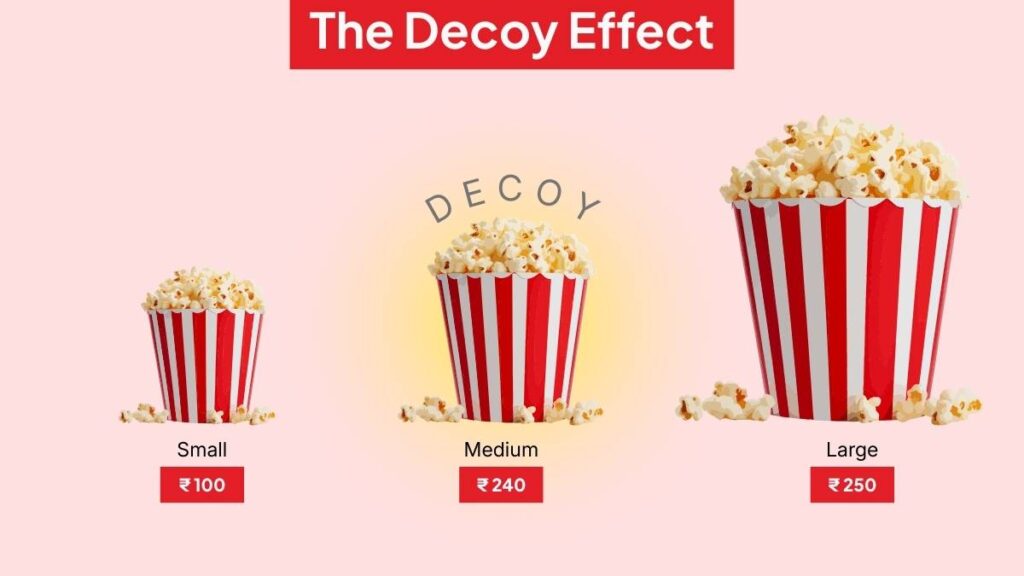
One of the most surprisingly effective psychological marketing tactics is the decoy effect. You introduce a third, less attractive option so that the option you really want people to choose feels like the smartest choice.
Think of it like “nudging the user politely.”
Example:
Small popcorn ₹100
Large popcorn ₹250
Medium popcorn ₹240 [decoy]
Most people end up choosing the large because it feels like a “better deal” compared to the medium. The medium’s job is just to make the large look cheap.
Real-world use cases:
- SaaS pricing plans
- Meal combos
- Online subscriptions
- Coaching or workshop tiers
You’ll notice that the “middle” option is almost always priced awkwardly on purpose.
2. Scarcity and Urgency
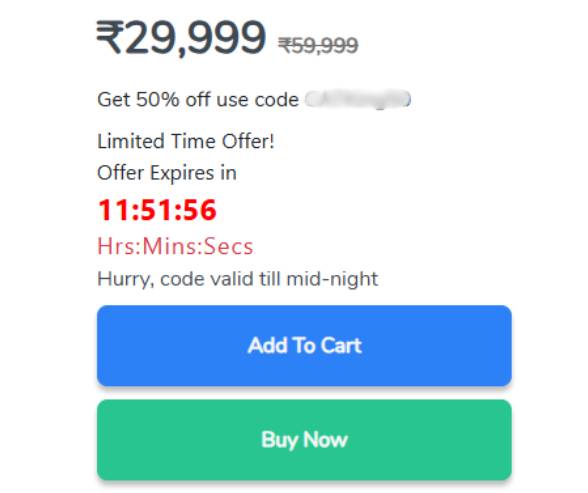
People hate waiting. But they hate missing out even more.
Scarcity triggers the brain’s survival instincts. If something seems limited, it suddenly feels more valuable.
You’ve seen this everywhere:
- “Only 2 seats left”
- “Offer ends tonight”
- Countdown timers
- “Limited stock” badges
- Exclusive invite-only access
Amazon, Flipkart, Nykaa, and even airline websites use urgency masterfully. Sometimes even though you are not planning to buy, but the Only 1 left at this price notification gives your brain a mini panic attack.
Also Read: Skimming Pricing Strategy
3. Social Proof
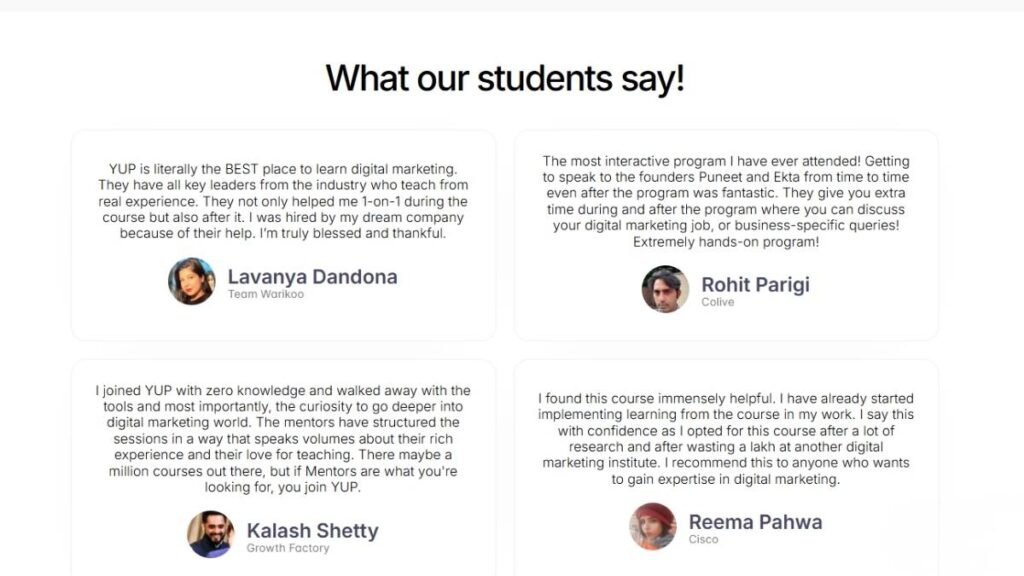
Another classic psychological marketing tactic is social proof. It’s simple: we trust what others have already chosen.
If thousands of people vouch for a product, our brain says, “Okay, this must be safe.”
Examples you can use:
- Testimonials
- Ratings and reviews
- “10,000+ people joined this program”
- Case studies
- Influencer or expert validation
- UGC content
Ever noticed how an empty restaurant feels suspicious? And a crowd makes something automatically feel “worth trying”? That’s social proof at play.
4. Loss Aversion
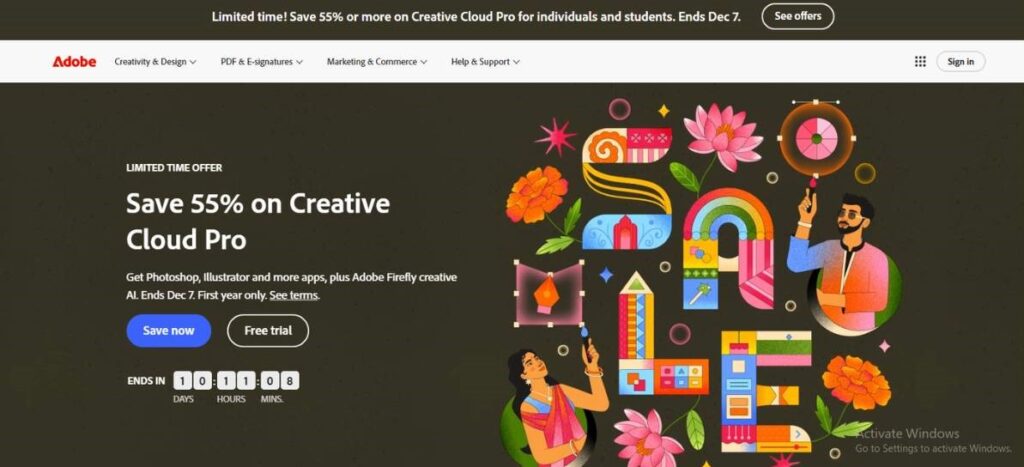
Humans feel the pain of losing twice as strongly as the joy of gaining.
This is why loss-aversion-based copy works so well.
Examples:
- “Don’t miss out on this”
- “Offer expiring soon”
- “Your spot will be released in 10 minutes”
- Free trials (“Try for 7 days — cancel anytime”)
- Money-back guarantees
Brands like Netflix and Canva use trial periods brilliantly. Once you start using the product, the fear of losing access kicks in.
5. Reciprocity
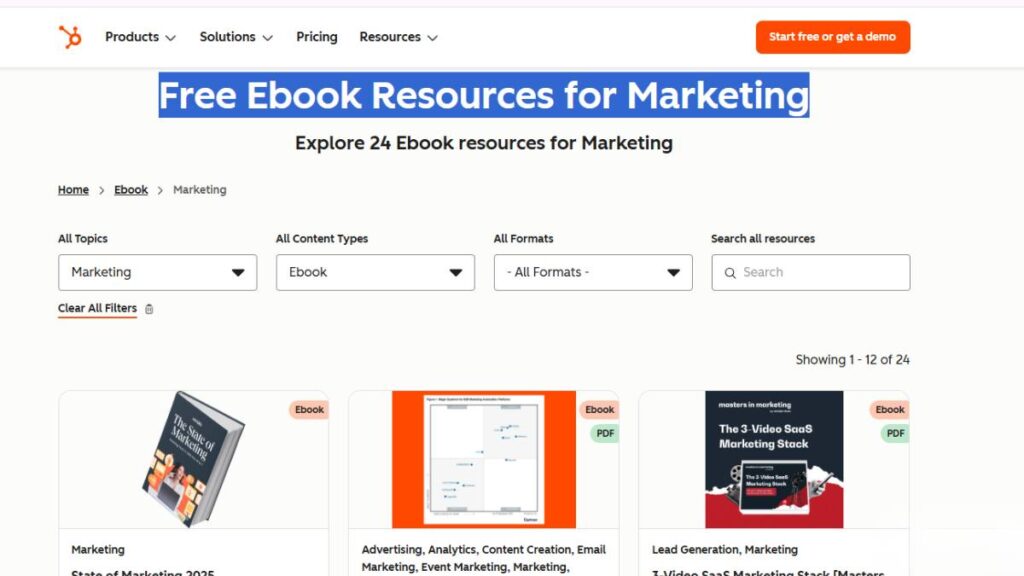
Give people value first, and they feel an emotional need to return the favor. It’s one of the oldest human social rules.
Examples:
- Free ebooks
- Free workshops
- Templates
- Audits or consultations
- Product samples
This is why lead magnets are still gold in digital marketing. When someone downloads a useful free resource from you, they’re much more open to buying from you later.
Also Read: Penetration Pricing Strategy
6. Framing Effect
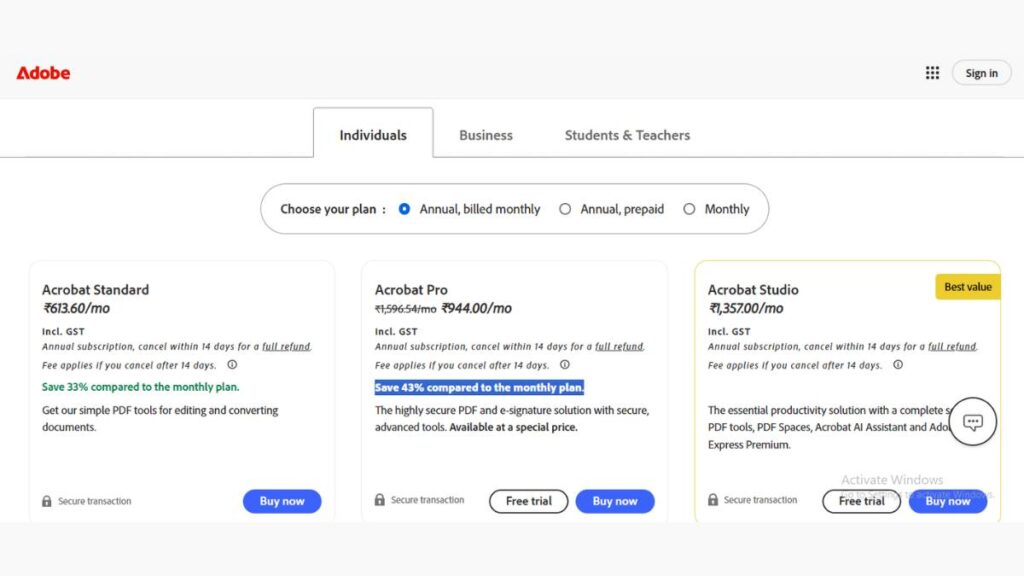
How you present information matters just as much as the information itself. That’s the framing effect, and it’s one of the most underrated psychological marketing tactics.
Example:
“95 percent success rate” feels much more reassuring than “5 percent failure rate” even though both statements mean the same thing.
Brands use positive framing constantly:
- “Save 30 percent” instead of “Spend 70 percent”
- “Get results in 21 days” instead of “It takes 3 weeks”
- “Join 5,000 students” instead of “We have 5,000 sales”
The meaning doesn’t change. But the perception completely does.
7. Authority Bias
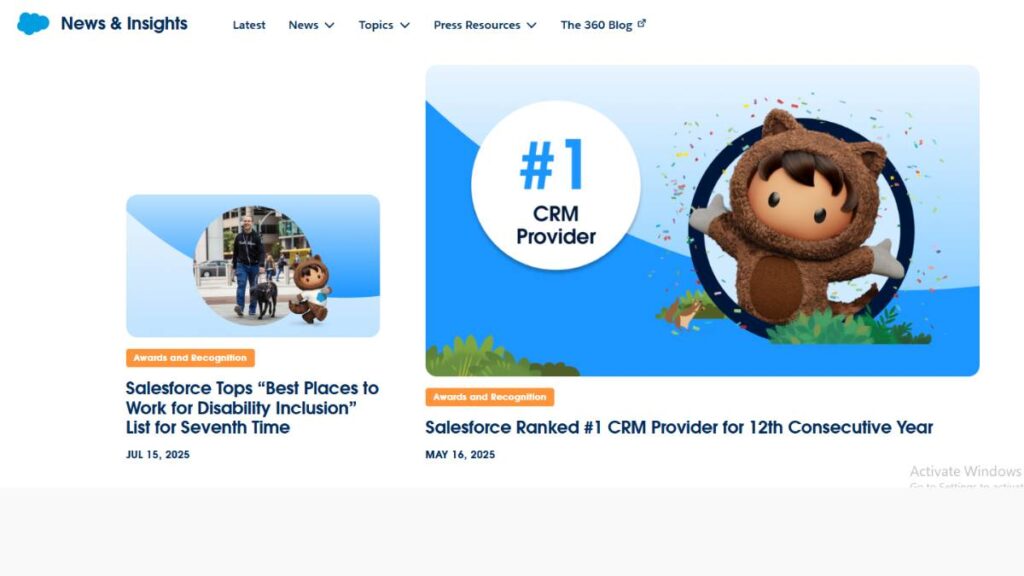
People trust experts, brands and credible sources more than unknown names. That’s why authority works like rocket fuel in marketing.
Examples:
- “As featured in Forbes”
- “Trusted by IIT, IIM, Harvard graduates”
- Certifications
- Doctor / expert endorsements
- Awards
- Verified badge
- Research-backed claims
This is why B2B brands flaunt partnerships and why creators highlight credible media features. Authority instantly reduces perceived risk.
8. Commitment and Consistency
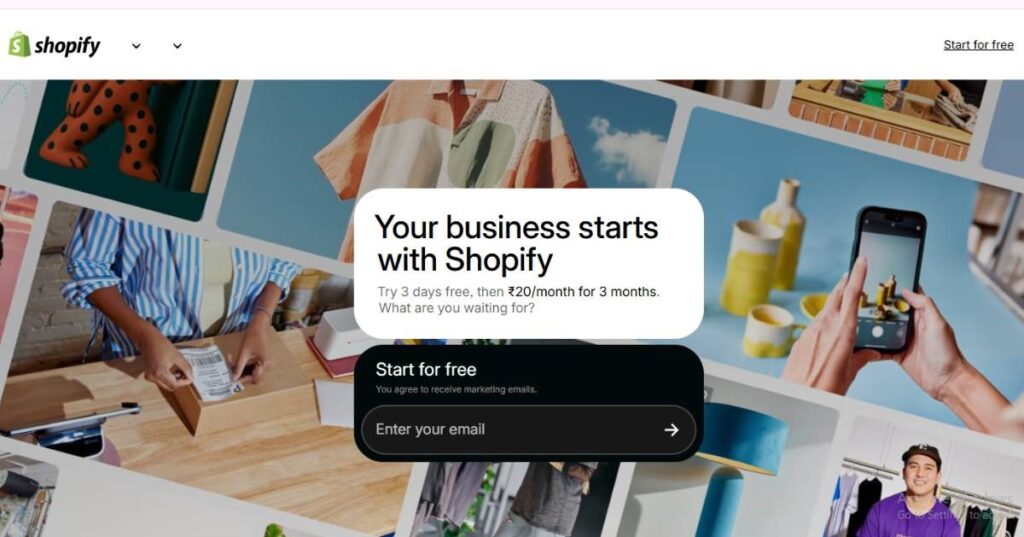
Once someone takes a small step, they’re more likely to take a bigger step to stay consistent with their self-image.
This is exactly why funnels work.
Example path:
Free quiz → lead magnet → workshop → course → membership
Each step feels like a natural progression.
Even “Start for ₹0” or “Try now, pay later” offers are built on commitment psychology. Once a user is inside the ecosystem, they’re more likely to upgrade.
Also Read: Dynamic Pricing Algorithms
9. Contrast Effect
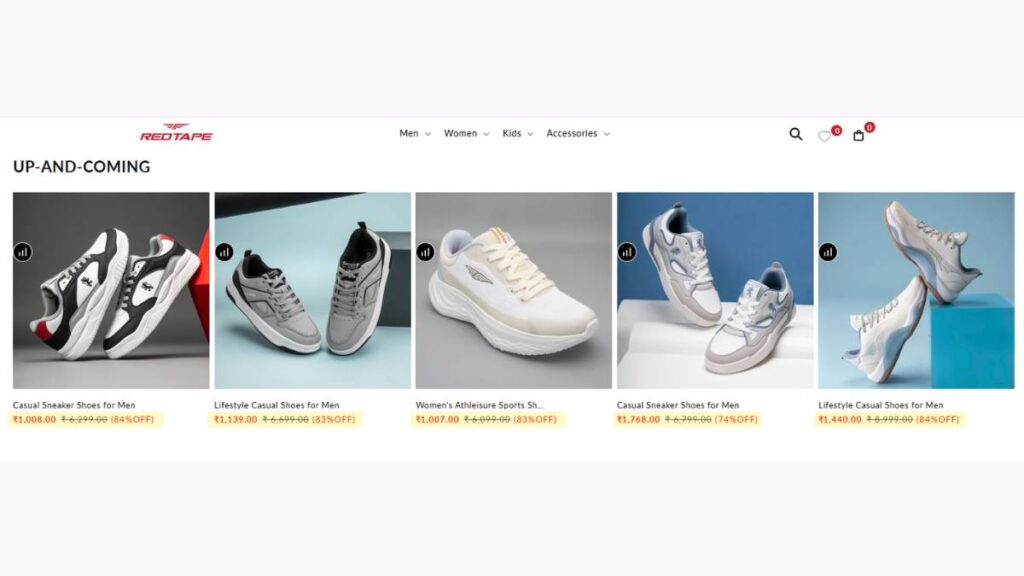
Our brains don’t evaluate things in isolation. We judge things relative to other things. That’s the contrast effect.
Example:
Showing a high-priced package first makes the mid-tier package feel more affordable.
This is why online stores show “Original price ₹2,999” above “Now ₹999”. The ₹999 feels like a steal because your brain is comparing it to the anchor price.
This effect works beautifully in:
- Pricing pages
- Real estate
- Coaching tiers
- Subscription plans
10. Endowment Effect
People value something more when they feel it already belongs to them. Even if they got it minutes ago.
Examples:
- Free trials
- “Your seat is reserved”
- 1:1 call previews
- “This cart is saved for you” notifications
- Personalized dashboards
The more invested someone feels, the harder it becomes to give up the product.
11. Price Anchoring
Price Anchoring is when the first piece of information sets the tone for everything that comes after.
For example, a ₹5,000 course shown first makes a ₹2,000 workshop feel cheap.
E-commerce uses this all the time with “original price” vs “sale price”.
Even showing competitor prices before your own creates an anchor that makes your offer look more attractive.
12. The Mere Exposure Effect
The more people see something, the more they start liking it. Even if they ignored it at first.
This is why remarketing ads work like magic and why you need multiple touchpoints across platforms.
If someone sees your brand 10 times across Instagram, YouTube, and Google Ads, familiarity builds trust automatically.
How To Use These Psychological Marketing Tactics Ethically
Some people feel weird about using psychological principles in marketing. But the truth is, these are already shaping user behavior everywhere – from supermarkets to Netflix.
The key is to use them ethically:
- Don’t fake scarcity
- Don’t fabricate testimonials
- Don’t manipulate users into bad decisions
The goal should be helping people make the decision they already want to take, but maybe need clarity or reassurance.
When used right, these tactics genuinely improve user experience.
Final Thoughts
Once you understand these psychological marketing tactics, you start designing campaigns more thoughtfully. Instead of guessing what will convert, you use human behavior to guide your strategy.
Start by picking two or three of these tactics and experiment with them:
- Try adding a decoy in your pricing
- Add social proof above your CTA
- Reframe your copy
You’ll be surprised how much these tiny shifts move your conversion numbers.