

20 Dropshipping Automation Softwares (Free & Paid) for Scaling Faster in 2026 is a practical, no-fluff guide built for how dropshipping actually works now, not how it worked five years ago. It breaks down what dropshipping automation software really does, where it helps, and where it quietly saves hours most sellers don’t notice at first. The core of the blog dives deep into 20 automation tools, free and paid, covering fulfillment, inventory sync, pricing, and supplier management, without hype. Beyond tool lists, it walks through how to choose the right software, when free tools stop making sense, common automation mistakes, and which setups fit beginners versus scaling stores. The goal is clarity, not shortcuts.
Table of Contents
Introduction:
What is Dropshipping?
Dropshipping gets thrown around a lot, and most people think it’s just “sell stuff online, ship later, make money.” On paper, yeah; that’s the idea. But the truth? It’s messier than it looks.
You don’t hold inventory, sure. Someone orders, the supplier ships, and you collect the margin. Sounds simple, but the second you start doing this for real, small things start piling up. Stock runs out. Prices change. Orders overlap. One missed update and suddenly a customer’s upset, your supplier is annoyed, and you’re scrambling to fix it.
That said, it’s still a great way to get started. Low startup cost, no warehouse needed, flexibility to test products quickly. But scaling without some kind of system? That’s tough. Handling a dozen orders by hand is fine. A hundred? That’s chaos waiting to happen.
The people who actually make it work aren’t just slapping products online. They’re thinking in systems: tracking orders, syncing suppliers, adjusting pricing across platforms. And the tool that makes that manageable is automation. Without it, growth stalls, mistakes pile up, and stress climbs fast.
What Is Dropshipping Automation Software & Why It Matters in 2026
Think of dropshipping automation software as your behind-the-scenes helper. It’s the stuff that runs quietly in the background, making sure orders go out, inventory stays accurate, and customers aren’t left hanging. And unlike a human, it doesn’t forget, complain, or need coffee breaks.
Here’s what it usually does:
Order fulfillment – Orders go straight to the supplier, and tracking info gets sent to customers. Done.
Product import & listing – Pulls in images, descriptions, pricing; no manual copy-paste nightmares.
Price & stock sync – Keeps your store current, so you don’t oversell or misprice.
Notifications – Customer updates, shipping info, all automatic.
Why it actually matters in 2026:
Manual dropshipping works for a few orders a day. Try scaling to hundreds? It’s a mess. Errors creep in, customers notice, profits take a hit.
Automation doesn’t just save time. It keeps stores accurate, reduces mistakes, and frees up energy for the stuff that actually grows the business: marketing, testing products, and trying new suppliers. Basically, it lets the human part focus on decisions that matter.
A quick note: this isn’t the same as product research tools. Those tell you what products might sell. Automation software runs the business once you’ve picked the products. Both are important, but very different roles.
Who really benefits from automation?
Newbies – Even a small store avoids rookie mistakes.
Growing stores – Once order volume ramps up, automation isn’t optional. It’s survival.
Multi-platform sellers – Shopify, eBay, Amazon… juggling them manually is just asking for trouble. Automation keeps it all in sync.
Bottom line: dropshipping is still viable in 2026, but trying to do it all by hand is a headache waiting to happen. Automation isn’t a gimmick. It’s what keeps serious stores running smoothly, even when things get hectic.
20 Best Dropshipping Automation Softwares Programs
When it comes to automation, not all tools are built the same. Some try to do everything, some focus on one or two tasks really well. Picking the right one really depends on the store, the product type, and how many orders are coming in. Here’s a rundown of 20 options that cover everything from beginner-friendly tools to heavy-duty multi-platform systems.
AutoDS – All-in-One Powerhouse
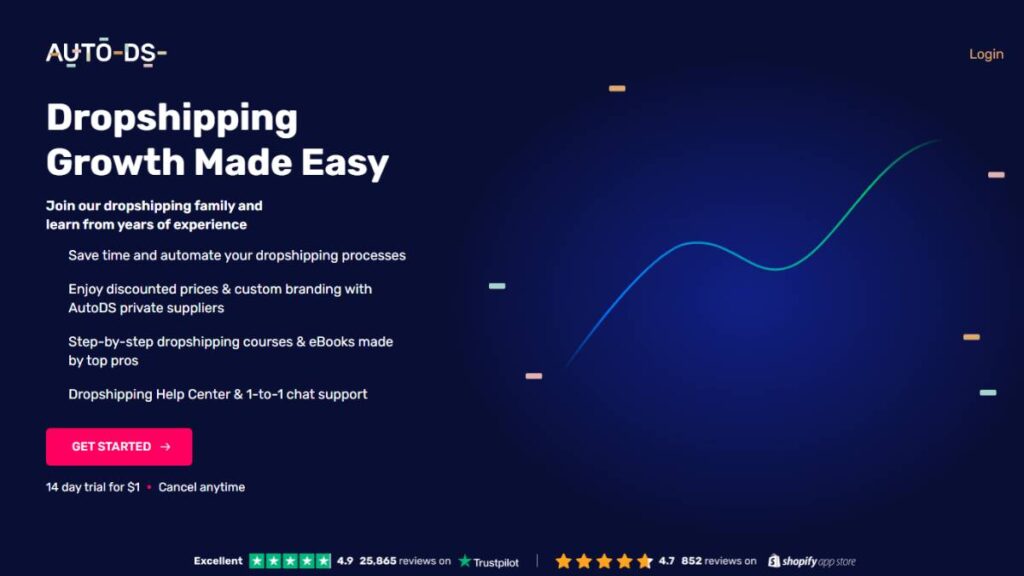
AutoDS is kind of like the Swiss Army knife of dropshipping automation. It handles product imports, order processing, stock updates; you name it. It works across Shopify, eBay, and Amazon, which is handy if selling on more than one platform. The interface is full of features, which can feel a bit much at first, but for stores handling a lot of orders, it really keeps things from spiraling out of control.
Dropship. IO – Data-Focused Automation
If the numbers side of dropshipping is your thing, Dropship. IO is worth a look. It tracks competitors, monitors sales, and even checks ad performance automatically. It’s less about fulfilling orders and more about helping you make smarter decisions on what to sell and how to price it. Definitely for sellers who want to work smarter, not just faster.
Spocket – Fast Shipping for US & EU
Spocket is all about speed. Orders from US and EU suppliers mean shorter shipping times, which customers notice. One-click imports and automated fulfillment make it painless. If shipping speed and reliability are a priority, Spocket takes a lot of the stress out of international dropshipping.
DSers – AliExpress Specialist
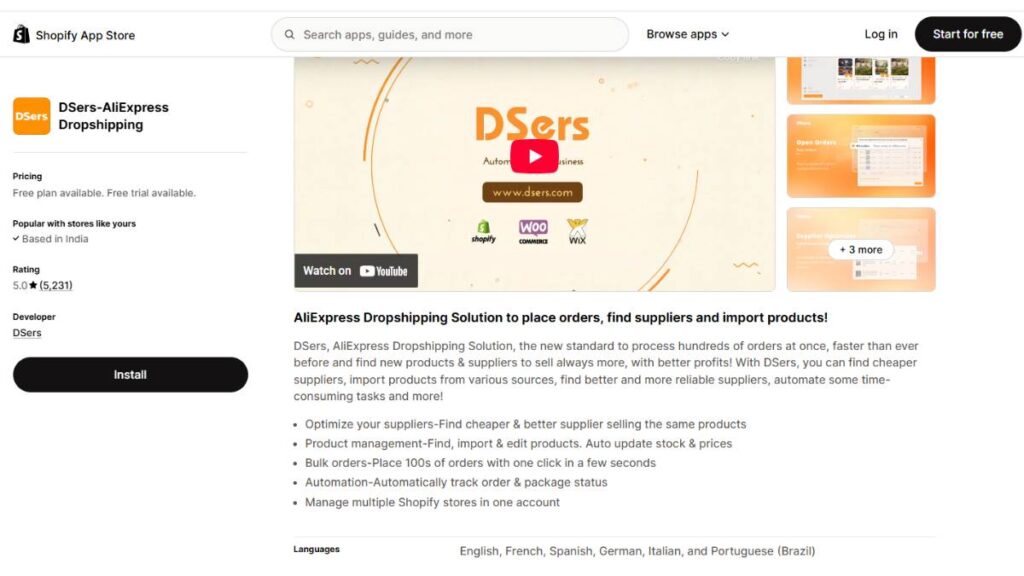
DSers is still the go-to for anyone dealing with AliExpress. Bulk order automation, supplier mapping, and tracking updates are solid features. For stores that rely on AliExpress, DSers handles the busywork, so the focus can stay on marketing and testing products instead of punching in order details.
Zendrop – Beginner-Friendly
Zendrop makes dropshipping approachable for new Shopify stores. Auto-fulfillment, private label options, and US warehouses simplify the process. Not as feature-packed as some bigger tools, but enough to get started without losing track of orders.
Dropified – Multi-Marketplace Support
Dropified is a bit more complex but shines for stores pulling products from multiple marketplaces. Automated imports, order routing, and even image optimization save a ton of manual effort. If selling across Shopify, Facebook Marketplace, or WooCommerce, this one keeps everything in sync.
CJDropshipping – Best Free Option
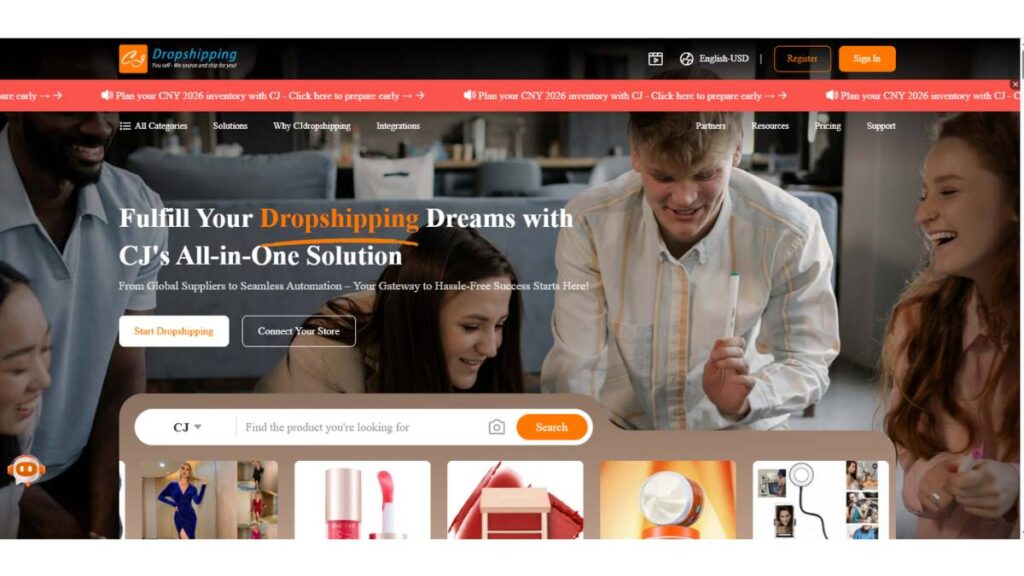
CJDropshipping offers surprisingly solid free automation: sourcing, fulfillment, even global warehouse routing. You don’t get all the bells and whistles of paid tools, but it’s more than enough to start small or test products without spending money upfront.
HyperSKU – Private Label & Fast Shipping
For sellers moving into private label, HyperSKU handles branded fulfillment, warehousing, and faster shipping. Special product handling is another perk. Not everyone needs it, but if packaging and branding matter, this saves hours of manual coordination.
Syncee – Branded Product Automation
Syncee focuses on maintaining relationships with suppliers, syncing products, and keeping stock up to date. Perfect for curated stores or those who sell branded items. It’s reliable and keeps operations steady without overcomplicating things.
Printify & Printful – Print-on-Demand Automation
Both of these handle automated printing, fulfillment, and multi-channel integration. Printful leans more into advanced branding and warehousing, while Printify offers flexibility with multiple printers. POD sellers can focus on designs and marketing, because the order-handling side just runs.
Ecomdash & Inventory Source – Inventory Masters
Ecomdash and Inventory Source automate inventory syncing and supplier management. Overselling becomes a non-issue, and multiple suppliers are easier to coordinate. These are lifesavers for stores with lots of SKUs or complex supply chains.
ShopMaster – Budget-Friendly
ShopMaster gives you automation without breaking the bank. Orders, product imports, and supplier management are automated. Lacks advanced analytics, but for smaller stores or sellers just starting to automate, it’s solid.
Yakkyofy – EU Dropshipping Focus
Yakkyofy simplifies EU shipping, automates sourcing, and handles VAT-friendly workflows. Sellers targeting European customers will appreciate faster delivery and fewer customs headaches.
Sellvia – US Fast Fulfillment
Sellvia is made for speed. One-click product imports, automated shipping notifications, and optimized listings make it a strong choice for US-based dropshipping. Customers notice the difference in delivery times, which helps with conversions.
AliDropship & WooDropship – WordPress/WooCommerce
AliDropship offers deep automation for AliExpress and WooCommerce stores, including pricing rules and Chrome extension workflows. WooDropship is lighter, easier for small stores, with one-click imports and real-time price syncing. Both work well if WordPress is your platform of choice.
Importify – Flexible Supplier Automation
Importify lets you mix and match suppliers without manual hassle. Products are imported automatically, and custom pricing rules can be applied. Setup takes a bit more time, but the flexibility is worth it for multi-supplier stores.
DSM Tool – eBay & Shopify Scalability
DSM Tool automates orders, monitors suppliers, and enforces profit rules. Built for eBay and Shopify sellers, it’s practical for those looking to scale without losing control of margins or fulfillment.
Each of these tools has its own strengths. Some are better for beginners, others for multi-channel sellers, and a few specialize in niches like POD, private label, or fast shipping. The key is understanding what your store actually needs; automation is there to reduce repetitive work and mistakes, but the human part still makes the decisions that grow the business.

Apply Now: AI-Powered Performance Marketing Course
How to Choose the Best Dropshipping Automation Software
Picking the right automation software is trickier than it looks. It’s not about finding the fanciest tool or the one with the most features. It’s about what actually fits your store, your workflow, and your goals. A misfit tool can slow you down just as much as doing everything manually.
Start by thinking about how much automation you actually need. Some platforms handle everything: orders, product imports, stock updates; basically run the store for you. Others just automate parts of the process. If your order volume is small, full automation might be overkill. On the other hand, if hundreds of orders start hitting your store daily, partial automation won’t cut it.
Next, check supplier coverage and marketplace compatibility. Not every tool plays well with all suppliers or platforms. Some are focused on AliExpress, others on US or EU suppliers, and some handle Shopify, eBay, and Amazon at the same time. If a tool doesn’t integrate with your main platform, it can cause more headaches than it solves.
Then there’s inventory and pricing. The last thing you want is to sell an item that’s out of stock or at the wrong price. Good software keeps inventory and prices in sync automatically, across all marketplaces. Trust me; errors here are frustrating and expensive.
Order fulfillment and tracking are another biggie. Automation should cover sending orders to suppliers, updating tracking info, and keeping customers informed. Without it, even a small spike in orders can become chaos.
Finally, think about analytics and insights. Some tools offer dashboards, sales reports, and trend data. It might seem extra at first, but if growth is the goal, knowing which products are actually profitable saves a lot of guesswork.
Free vs Paid Dropshipping Automation Software
Free tools are tempting, especially if the budget is tight. They usually cover the basics: product imports, simple order fulfillment, maybe a little stock syncing. For a new store testing a few products, that’s often enough. But there’s a catch.
Paid platforms generally give you:
- Faster updates and real-time stock syncing
- Multi-marketplace support
- Detailed analytics and reporting
- Access to premium suppliers or faster shipping options
- Advanced automation like pricing rules, order routing, and image optimization
Here’s the thing: free tools save money, but sometimes create hidden friction. You might spend more time double-checking stock or manually updating orders. Paid tools cost more upfront but save hours, reduce mistakes, and let you focus on strategy instead of firefighting. Once the order volume grows, they practically pay for themselves.
It’s not always black and white. Some free tools are surprisingly robust. The key is knowing when your store has outgrown them and when paying for automation becomes worth it.
Best Dropshipping Automation Software by Use Case
Not every tool fits every seller. Breaking them down by use case helps make sense of the mess:
Shopify Automation – Some tools are built for Shopify and handle imports, pricing, and orders seamlessly. Ideal if Shopify is your main store and you want to cut down on manual work.
eBay Dropshipping – eBay sellers need bulk imports, pricing rules, and automatic tracking. Some even monitor competitors, which is huge in crowded marketplaces.
Amazon Automation – For Amazon, speed and accuracy are everything. Automation that syncs inventory and routes orders efficiently is key. Fancy extra features aren’t as important here.
AliExpress Automation – If your products come from AliExpress, tools that handle bulk orders, supplier mapping, and automated tracking are lifesavers. They reduce mistakes and keep delivery times consistent.
Private Label Automation – Stores selling private label products need tools that handle branding, packaging, and special product handling. Automation here often includes warehouse coordination and fulfillment customization.
Beginners vs Scaling Stores – Beginners should look for simple, easy-to-use platforms that cover the basics. Scaling stores need more robust solutions: multi-channel support, stock syncing, analytics, and flexible automation rules.
The bottom line: pick software that matches your current stage and goals. The right tool won’t just save time; it stops errors, supports growth, and lets the business run without constantly babysitting every order.
Common Mistakes When Using Dropshipping Automation Software
Automation helps, no question. But it also creates a false sense of safety if it’s handled carelessly. Seen it many times. Stores look “set up,” numbers start moving… then cracks appear.
Letting automation run without supplier reality checks
Software doesn’t know when a supplier quietly slows shipping, changes packaging, or cuts corners. It will keep pushing orders through like nothing’s wrong. That’s how refund emails start piling up. A quick manual review every few days saves a lot of damage later.
Setting pricing rules once and forgetting them
Margins don’t stay stable. Shipping costs creep up. Suppliers adjust prices overnight. If pricing rules aren’t reviewed, profits leak slowly. Not all at once. Slowly. That’s the dangerous part.
Building the store around one supplier
Automation makes it easy to rely on a single source. Too easy. When that supplier runs out of stock or changes terms, the whole operation stumbles. Backup suppliers aren’t optional. They’re insurance.
Automating weak products
Automation moves orders faster. It doesn’t make bad products sell. If a product doesn’t solve a clear problem or spark interest, automating it just helps you fail more efficiently. Product choice still matters. A lot.
Automation works best when it supports good decisions, not when it replaces them.
Conclusion:
There’s no universal “best” tool. The right choice depends on how the store is built and where it’s headed.
Best all-around option
For sellers running multiple platforms or planning to scale, AutoDS covers most bases. Imports, orders, stock syncing; it’s all there. Takes time to configure properly, but once it’s dialed in, it holds up under pressure.
Best free starting point
CJDropshipping works well for testing ideas without upfront cost. It’s not perfect, and it has limits, but it handles the fundamentals. That’s enough early on.
Best for scaling stores
Tools like Dropified or DSM Tool make sense when order volume grows and complexity increases. Bulk actions, supplier monitoring, smarter workflows. Less chaos as things speed up.
Best for specific use cases
Printify or Printful for print-on-demand. HyperSKU for private label. Spocket for faster US and EU shipping. Niche tools often outperform general ones when used correctly.
The smarter move isn’t picking the most advanced tool. It’s picking the one that fits today and won’t block tomorrow.
FAQ: Dropshipping Automation Software
1. What is the best dropshipping automation software?
Depends on the store. Platform, suppliers, order volume, and goals all matter. All-in-one tools work well for broad setups, while niche tools shine in focused stores.
2. Can dropshipping be fully automated?
Most tasks can be automated. Fully hands-off? Not really. Someone still needs to watch suppliers, review pricing, and handle exceptions. Automation reduces work. It doesn’t eliminate responsibility.
3. Is automated dropshipping profitable in 2026?
It can be. Automation cuts errors and saves time, which helps margins. Profit still comes from smart product selection, realistic pricing, and reliable fulfillment.
4. Which automation software is best for beginners?
Simpler tools like Zendrop or CJ Dropshipping keep things manageable early on. Fewer features, fewer ways to break things.
5. Are free dropshipping automation tools worth it?
Yes, at the start. They’re useful for learning workflows and testing products. As volume grows, limitations show up fast. That’s usually the signal to upgrade.