
Influencer marketing campaigns aren’t a side tactic anymore. They’ve become a core growth lever for brands that understand how attention and trust really work online.
This blog unpacks the space without the hype. It walks through campaign types, real examples, strategy decisions, pricing models, and the small execution details that usually decide whether results show up or not.
There’s discussion around affiliate structures, ambassador programs, B2B use cases, measurement, and the mistakes brands quietly repeat.
It also looks at where things are heading: performance models, micro creators, and long-term partnerships.
The goal isn’t theory. It’s clarity around how influencer marketing campaigns actually drive business outcomes today.
Table of Contents
Introduction
Why Influencer Marketing Campaigns Are Dominating Digital Marketing
A few years ago, influencer marketing felt experimental. Brands were “testing” creators. Running small budgets. Watching from a distance.
That phase is over.
Today, influencer marketing campaigns sit at the center of digital growth strategies. Not as a side experiment. Not as a trendy add-on. As a serious acquisition and brand-building channel.
The creator economy didn’t just grow; it matured. Creators aren’t just posting aesthetic photos anymore. They understand storytelling, audience psychology, and even conversion triggers. Some of them run tighter content operations than mid-sized brands.
And consumers? They’ve changed, too.
People don’t trust polished ads the way they used to. Traditional advertising often feels loud. Scripted. Predictable. Influencers, on the other hand, feel familiar. There’s context. There’s personality. Even when a post is sponsored, the recommendation still lands differently because it’s coming from someone the audience chose to follow.
Short-form video accelerated this shift. TikTok, Instagram Reels, YouTube Shorts; they’ve trained audiences to discover products inside content, not outside of it. A casual “I’ve been using this” inside a 30-second video can outperform a perfectly designed ad campaign.
Another big shift? Accountability.
Brands aren’t satisfied with vanity metrics anymore. They want conversions, tracked links, affiliate revenue, coupon redemptions, and actual sales. Influencer marketing campaigns now operate with performance models, revenue shares, structured briefs, and detailed reporting.
In other words, this channel grew up.
What You’ll Learn in This Guide to Influencer Marketing Campaigns
This guide goes deeper than surface-level definitions.
It covers the different types of influencer marketing campaigns; not just what they’re called, but how they actually work in real scenarios.
There’s a breakdown of campaign structures: sponsored content, affiliate models, brand ambassador programs, collaborations, takeovers, and more. Each format has its place. Each has its own strengths and risks.
You’ll also see how successful campaigns are built from the ground up. Goal setting. Influencer selection. Budget planning. Creative direction. Measurement. The parts that look simple on paper but get messy in execution.
And yes, we’ll talk about mistakes. Because this space is full of them. Overpaying for reach. Choosing influencers for the wrong reasons. Ignoring audience alignment. It happens more often than brands admit.
By the end, the goal is clarity. Not hype. Not exaggerated claims. Just a practical understanding of how influencer marketing campaigns actually drive results in 2025.
Who Should Use Influencer Marketing Campaigns?
Influencer marketing campaigns aren’t limited to beauty brands or fashion labels anymore. That assumption is outdated.
eCommerce brands use influencers to speed up product discovery. Especially in crowded markets where paid ads alone struggle to break through.
DTC startups rely heavily on creators during early growth stages. A trusted voice can remove skepticism almost instantly. That matters when a brand is new.
B2B companies? They’re here too. Industry educators, niche LinkedIn creators, and technical YouTube reviewers; they influence decision-makers every day. The format is different, but the principle is the same: credibility transfers.
Personal brands collaborate with influencers to tap into adjacent communities. It’s often faster than building a new audience from scratch.
Agencies integrate influencer marketing campaigns into broader strategies because clients now expect it. Social proof has become part of the buying journey.
If your audience spends time on social platforms, which most do, influencer marketing campaigns are relevant. The question isn’t whether to use them. It’s how to use them well.
What Are Influencer Marketing Campaigns?
An influencer marketing campaign is a structured collaboration between a brand and a creator to promote something: a product, service, launch, or message, to a specific audience.
At its core, it’s about trust distribution.
The influencer has built an audience over time. Through consistent content. Shared opinions. Personal stories. Recommendations. That audience listens.
When a brand enters that space through a campaign, it borrows a portion of that trust.
This is different from traditional advertising. Ads interrupt. Influencer content blends in. It appears in a feed people are already scrolling, inside a voice they already recognize.
The best influencer marketing campaigns don’t feel like ads. They feel like recommendations woven naturally into content.
Some campaigns are short; one post, one video, done. Others are long-term, spanning months with repeated integrations.
Structure varies. Intent remains the same: influence purchasing behavior through credible voices.
How Influencer Marketing Campaigns Work (Step-by-Step Overview)
Behind every effective campaign, there’s structure. Even if the content looks spontaneous.
It starts with clarity. Brands define the goal first. Awareness? Sales? Lead generation? App installs? Without that, everything else drifts.
Next comes influencer selection. This part is often rushed, and it shouldn’t be. Follower count alone is rarely the right filter. Engagement quality, audience demographics, content style, and brand alignment; these matter more.
Once an influencer is chosen, the brand shares a campaign brief. It outlines expectations: deliverables, timelines, messaging direction, and disclosure requirements. But here’s the balance: too much control kills authenticity. Too little direction creates confusion. The middle ground is where strong campaigns live.
The influencer creates content in their own style, within agreed parameters. That content goes live. Then the real work begins: tracking performance.
Campaign results are measured against predefined KPIs. Engagement rate, clicks, conversions, affiliate sales, and cost per acquisition. Not all campaigns optimize for the same metrics.
Finally, brands evaluate ROI and decide whether to extend the partnership.
Simple framework. Complex execution. Especially when scaling.
Why Influencer Marketing Campaigns Matter
Attention is fragmented. Trust is scarce. That combination makes influencer marketing campaigns powerful.
Consumers scroll fast. Ads get ignored. But content from creators they follow still captures attention. There’s context. There’s familiarity.
The creator economy continues to expand, and it’s getting more niche. There are influencers for everything now: skincare for sensitive skin, sustainable fashion, B2B SaaS education, and fitness for busy parents. Hyper-targeted audiences reduce waste in marketing spend.
Short-form video drives rapid product discovery. A single well-performing TikTok can trigger thousands of website visits overnight. That speed is difficult to replicate through traditional channels.
Technology has also evolved. Brands now use detailed audience insights, fraud detection tools, and performance tracking platforms to reduce guesswork. Influencer marketing campaigns are no longer blind bets. They’re structured investments.
And perhaps most importantly, they feel human.
In an increasingly automated digital landscape, that matters more than ever.
Types of Influencer Marketing Campaigns (With Real Examples & Use Cases)
Not all influencer marketing campaigns are built the same. And they shouldn’t be.
The format should match the objective. A brand looking for quick awareness shouldn’t run the same structure as one optimizing for affiliate revenue.
Let’s break down the main types.
Sponsored Content Campaigns
Sponsored content campaigns are the most common entry point.
A brand pays an influencer a fixed fee to create content featuring its product or service. This might show up as an Instagram Reel, a TikTok integration, or a YouTube mention inside a longer video.
It sounds straightforward, and it is. But execution matters.
The best sponsored posts don’t feel scripted. They feel integrated. The influencer talks about the product in a way that aligns with their usual tone. When brands over-script these collaborations, audiences sense it immediately.
Sponsored content works particularly well for brand awareness, product launches, and seasonal pushes. It creates visibility quickly.
That said, without strong creative alignment, it can also feel forgettable. Which is why influencer selection is everything here.
Affiliate Influencer Marketing Campaigns
Affiliate influencer marketing campaigns operate differently.
Instead of paying only a flat fee, brands provide unique tracking links or discount codes. Influencers earn commissions based on actual sales generated.
This structure shifts risk. Brands pay for performance. Influencers are incentivized to create content that converts, not just content that looks good.
Affiliate models work well when the goal is direct revenue. Especially in eCommerce, SaaS, and subscription businesses.
Some brands combine both approaches: a base fee plus commission. That hybrid model often creates strong alignment on both sides.
But affiliate campaigns require tracking infrastructure. Without clean attribution, it becomes messy quickly.
Brand Ambassador Influencer Campaigns
Brand ambassador campaigns are long-term partnerships.
Instead of a one-time post, the influencer represents the brand consistently over time. Multiple mentions. Ongoing integrations. Sometimes, even exclusive agreements.
Repetition builds credibility. When an audience sees a creator using the same product month after month, it feels genuine. Not transactional.
Ambassador campaigns are powerful for brand positioning. They create an association. Over time, the influencer and brand become linked in the audience’s mind.
They require commitment, though. And careful vetting. Long-term partnerships amplify both strengths and weaknesses.
Giveaway & Contest Influencer Campaigns
Giveaway campaigns focus on engagement spikes.
An influencer invites followers to participate in a contest, often requiring actions like following the brand account, tagging friends, or commenting.
These campaigns can generate rapid visibility and short-term follower growth. They’re useful during product launches or milestone celebrations.
However, the quality of participants matters. Growth without alignment can inflate numbers without increasing conversions. A giveaway strategy works best when the prize strongly relates to the target audience.
Product Collaboration Campaigns
Product collaborations go beyond promotion.
Here, influencers co-create something with the brand. A limited-edition product. A curated bundle. A capsule collection.
Because the influencer has creative input, the campaign feels personal. Audiences are more emotionally invested. It’s not just “use this product.” It’s “helped create this.”
These campaigns often include revenue-sharing structures. When executed well, they generate both strong sales and deeper brand loyalty.
They also carry more complexity: production timelines, inventory planning, and demand forecasting. But the upside can be significant.
Social Media Takeover Campaigns
In a takeover campaign, an influencer temporarily runs the brand’s social media account.
This might happen during an event, a launch day, or a special campaign window. The influencer shares behind-the-scenes content, live updates, or interactive sessions.
Takeovers bring fresh energy to a brand’s feed. They also encourage the influencer’s audience to engage directly with the brand account.
The format works best when there’s a clear reason: an event, a collaboration, something timely. Random takeovers rarely perform well.
Influencer Event Collaborations
Event-based influencer campaigns focus on experiences.
Brands invite influencers to product launches, pop-up activations, red carpet events, or private previews. The influencers document the experience across platforms.
The power here lies in amplification. One event can generate dozens of content pieces across different creators.
These campaigns build brand perception. They create cultural moments. They signal status.
But they require thoughtful planning. An event without share-worthy elements won’t generate meaningful digital traction.
UGC & Content Creation Campaigns
User-generated content campaigns focus on content assets rather than reach alone.
Influencers create videos or photos that brands can reuse in paid ads, websites, and email marketing. The creator may not even post the content on their own feed.
This model has grown rapidly because creator-style content often outperforms traditional ad creatives. It feels authentic. Less polished. More relatable.
Brands sometimes run ads directly through the influencer’s account; a practice often called whitelisting. That combines the influencer’s credibility with paid distribution.
UGC-driven influencer marketing campaigns sit at the intersection of branding and performance. And increasingly, that’s where serious growth happens.
Successful Influencer Marketing Campaign Examples
Looking at real influencer marketing campaigns tells a very different story from reading theory. On paper, everything sounds clean: define a goal, pick an influencer, track results. In reality, what separates average campaigns from standout ones is nuance. Cultural timing. Platform fit. Creative restraint.
Some brands understand this instinctively. Others learn the hard way.
Below are ten campaigns worth dissecting; not because they were flashy, but because they were strategically sharp in ways that aren’t always obvious at first glance.
Topicals Influencer Marketing Campaign
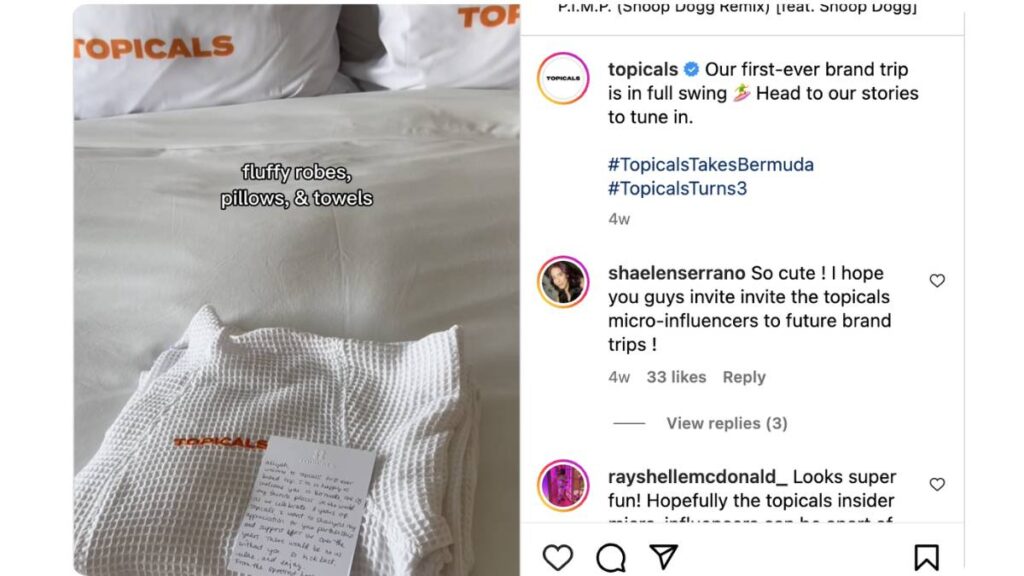
Topicals didn’t enter skincare quietly. They entered emotionally.
Campaign goal: Build trust and strong brand awareness in a crowded skincare market.
Instead of partnering only with polished beauty influencers who showcase flawless routines, Topicals leaned into creators who openly talked about eczema, acne flare-ups, hyperpigmentation, and real skin. Unfiltered. Sometimes uncomfortable.
Influencer strategy: Micro and mid-tier skincare creators who already built credibility around skin transparency.
That distinction matters. The influencers weren’t forced to “act vulnerable.” They already were. The product simply entered an ongoing conversation.
The content didn’t scream promotion. It felt like, “This helped during a rough patch.” That subtlety is powerful in skincare, where skepticism runs high.
Platform used: Primarily TikTok and Instagram Reels; both are heavy on personal storytelling.
Why it worked:
The campaign aligned with audience psychology. People struggling with skin concerns don’t want aspirational perfection. They want relatability and hope. Topicals understood that.
Key results:
High engagement rates, strong comment sections filled with shared experiences, and organic replication; other users began tagging the brand without paid prompts. That’s when a campaign moves beyond paid distribution into cultural momentum.
Dunkin’ Influencer Marketing Campaign
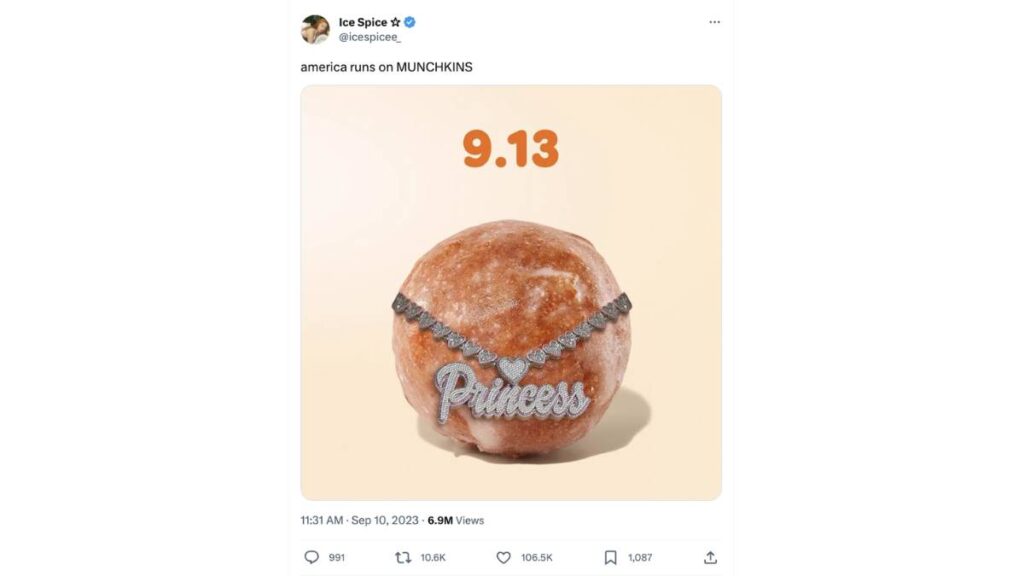
Dunkin’ made a smart shift when they realized they weren’t just selling coffee. They were selling identity.
Campaign goal: Strengthen relevance among Gen Z and drive product demand.
Instead of traditional product-focused posts, Dunkin’ collaborated with creators who already represented youth culture. The drinks became part of the influencer’s personality. It wasn’t “buy this coffee.” It was “this is my go-to order.”
That subtle difference turns a menu item into a social statement.
Influencer strategy: Partner with creators whose audiences overlap heavily with Gen Z consumers. Lean into casual, native content.
Platform used: TikTok was central, supported by Instagram.
The content felt loose. Sometimes chaotic. But that’s the point. Polished ad scripts don’t survive long on TikTok.
Why it worked:
Dunkin’ didn’t over-control the narrative. They let creators speak in their own tone, which preserved authenticity.
Key results:
Product mentions translated into measurable sales spikes. The brand saw not just engagement, but actual shifts in order behavior tied to influencer-backed drinks.
Dove Influencer Campaign Strategy
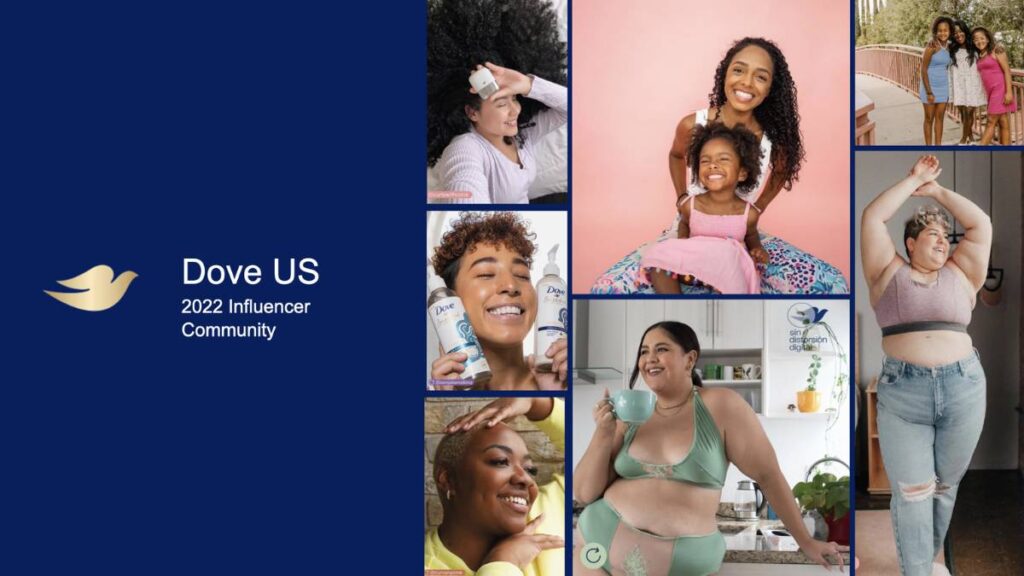
Dove has something many brands don’t: a long-term, consistent brand philosophy.
Campaign goal: Reinforce its position around real beauty and inclusivity.
When Dove runs influencer marketing campaigns, they don’t pivot tone randomly. They collaborate with creators who already talk about body positivity, self-acceptance, and authenticity.
There’s no awkward brand personality shift. It feels aligned.
Influencer strategy: Everyday voices. Diverse body types. Real-life content.
Platform used: Instagram, TikTok, YouTube, depending on content depth.
Instead of glossy transformation videos, creators share personal reflections. That emotional honesty makes product placement feel secondary, which ironically strengthens trust.
Why it worked:
Consistency. Audiences recognize when a brand sticks to its values rather than chasing trends.
Key results:
High positive sentiment. Comments often focus on the message, not just the product. That’s long-term brand equity being built in real time.
Flock Freight B2B Influencer Campaign
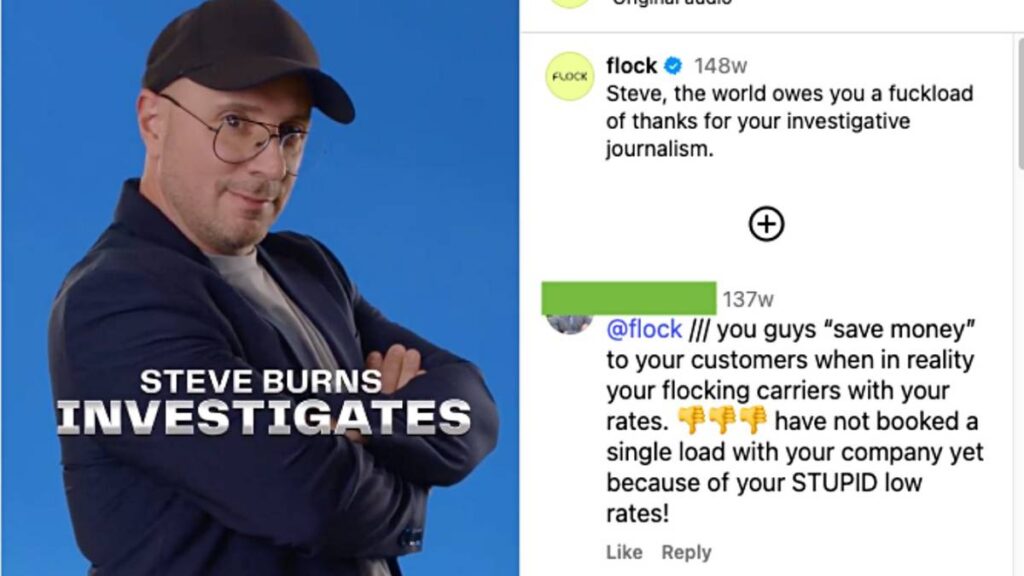
B2B influencer marketing rarely gets attention, but Flock Freight approached it intelligently.
Campaign goal: Increase brand awareness in logistics and supply chain circles.
Instead of flashy campaigns, they partnered with respected industry experts. People who already educate freight professionals.
Influencer strategy: Niche thought leaders on LinkedIn and YouTube.
The content focused on insights: operational efficiency, industry challenges, and smarter freight solutions. The brand appeared as part of the conversation, not as a banner ad inside it.
Platform used: LinkedIn primarily, supported by YouTube discussions.
Why it worked:
They respected the audience’s intelligence. In B2B, overly promotional content backfires quickly. Educational positioning builds credibility.
Key results:
Improved brand familiarity in a traditionally relationship-driven industry. More inbound interest from relevant prospects.
Bumble x Amelia Dimoldenberg Influencer Collaboration
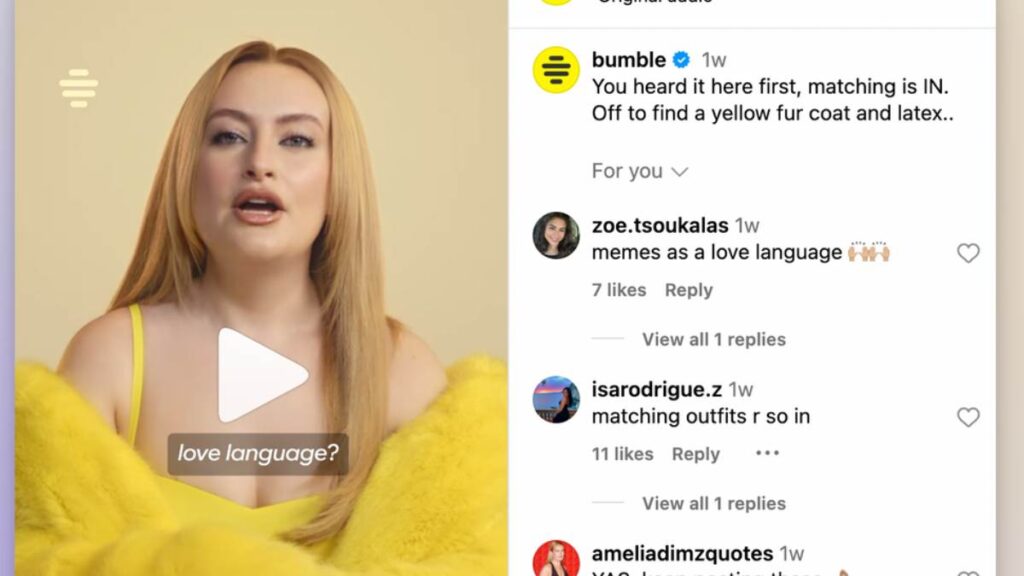
This collaboration worked because it didn’t feel like a campaign at all.
Campaign goal: Increase cultural relevance and app engagement.
Amelia Dimoldenberg has a very specific interview style: awkward, dry humor, celebrity conversations. Bumble didn’t try to reshape that format. They integrated naturally.
Influencer strategy: Embed the brand inside existing content structure.
Platform used: YouTube for long-form interviews, with social cutdowns for reach.
Instead of interrupting the content, Bumble became part of the narrative context.
Why it worked:
The integration respected the creator’s format. It felt seamless rather than forced.
Key results:
High view counts, strong engagement, and positive audience reception toward the brand presence.
Redken x Sabrina Carpenter Influencer Campaign
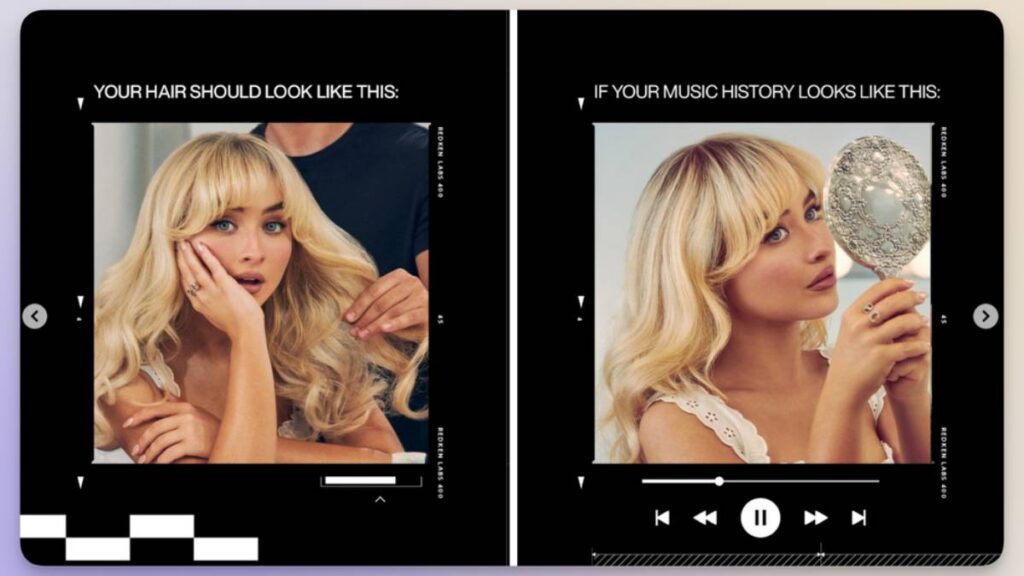
This campaign leaned into aspirational branding.
Campaign goal: Drive awareness and strengthen brand positioning among younger beauty consumers.
Sabrina Carpenter brought both celebrity reach and strong beauty alignment. The content included styling routines, backstage moments, and product showcases.
Influencer strategy: Celebrity partnership with strong visual storytelling.
Platform used: Instagram and TikTok.
The content felt polished but still social-first; not repurposed TV commercials.
Why it worked:
The influencer’s image and product category were tightly aligned. No disconnect. No confusion about relevance.
Key results:
Significant reach, spikes in product searches, and sustained visibility across social feeds.
Gillette Lifestyle Influencer Campaign
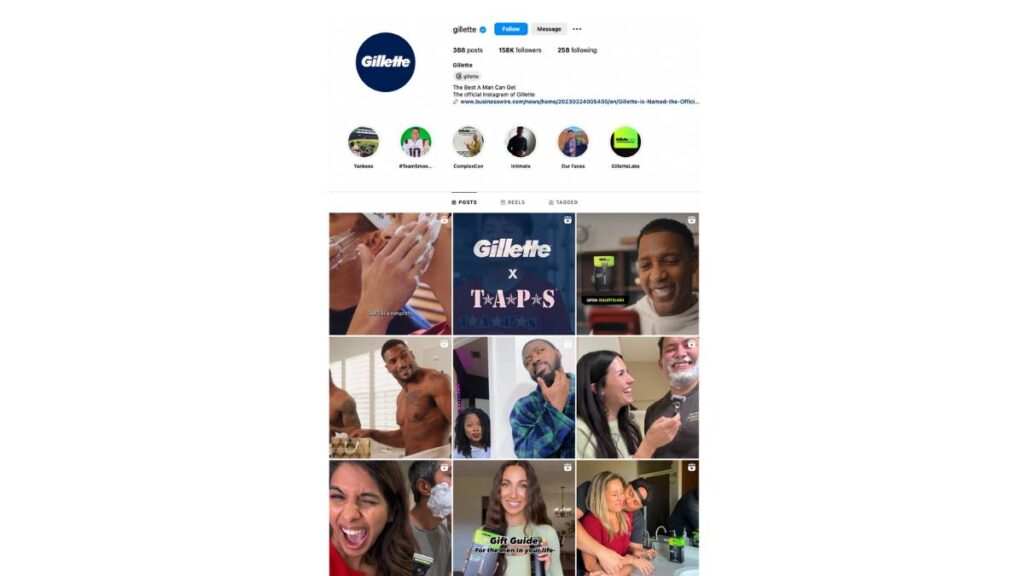
Gillette faced a challenge: modernize perception without abandoning heritage.
Campaign goal: Appeal to younger demographics beyond traditional sports audiences.
Instead of focusing only on athletes, they collaborated with lifestyle creators; grooming tutorials, daily routines, and subtle product placements.
Influencer strategy: Everyday relevance over high-profile endorsements.
Platform used: Instagram and YouTube.
This shift brought the product into realistic contexts. Morning routines. Travel prep. Casual self-care.
Why it worked:
It repositioned the brand as part of daily life, not just performance or masculinity tropes.
Key results:
Improved engagement among younger consumers and stronger relatability in social conversations.
Air Wick Influencer Marketing Strategy
Air Wick could have run standard product ads. Instead, they leaned into lifestyle integration.
Campaign goal: Increase visibility within home decor and lifestyle communities.
Influencer strategy: Collaborate with cleaning, organizing, and home transformation creators.
On TikTok and Instagram, home content performs extremely well. Air Wick appeared in satisfying cleaning videos, cozy home tours, and decor refreshes.
Platform used: Instagram Reels and TikTok.
Why it worked:
The product fit naturally within content themes. It wasn’t isolated; it was contextual.
Key results:
High saves and shares, which matter deeply in home content. Increased brand mentions tied to home aesthetics.
Calvin Klein Social Influencer Campaign
Calvin Klein understands visual identity.
Campaign goal: Maintain cultural dominance and premium perception.
Their influencer marketing campaigns typically feature models, celebrities, and high-visibility digital creators in minimal, consistent visual setups.
There’s a strong aesthetic thread across content. Clean lines. Subtle branding. High social shareability.
Influencer strategy: Large-scale collaborations with culturally relevant figures.
Platform used: Instagram primarily.
Why it worked:
Visual consistency builds instant recognition. Audiences don’t need to read captions to know the brand.
Key results:
Massive global reach, viral repost cycles, and sustained association between influencer identity and brand imagery.
Burger King Influencer Marketing Campaign Example
Burger King often leans into bold, slightly irreverent marketing. Their influencer collaborations reflect that.
Campaign goal: Generate buzz around limited-time menu items.
Influencer strategy: Partner with food creators and humor-driven influencers.
Content often exaggerates reactions. Over-the-top taste tests. Playful challenges.
Platform used: TikTok and Instagram.
Why it worked:
The tone matched the platform’s energy. Audiences expect entertainment first, promotion second.
Key results:
High engagement bursts during promotional windows and noticeable online conversation around new items.
What These Influencer Marketing Campaigns Really Teach
When stepping back, patterns emerge.
Strong campaigns don’t start with “Which influencer is trending?” They start with, “What does the audience actually respond to?”
They respect platform culture. They allow creative freedom within clear direction. They align the message with the messenger.
And perhaps most importantly, they treat influencer marketing campaigns as partnerships, not transactions.
That difference shows up in the results.

Enroll Now: Advanced Digital Marketing Course
How to Create a Successful Influencer Marketing Campaign
Most influencer marketing campaigns don’t collapse because creators underdeliver. They struggle because the strategy was fuzzy from the start. Goals weren’t defined properly. The audience wasn’t mapped carefully. Expectations weren’t aligned. And once money starts moving, small misalignments become expensive.
Done well, though, influencer campaigns feel surprisingly straightforward. Not easy. But clear. There’s structure behind the creativity.
Let’s walk through it the way experienced marketing teams actually approach it, with a bit of patience and a lot of clarity.
Step 1: Define Clear Influencer Campaign Goals
This sounds obvious. It rarely is.
“Let’s work with influencers” is not a strategy. It’s a tactic. The strategy is the business objective behind it.
Sometimes the goal is pure awareness. A new product launch, a rebrand, or entering a new market. In that case, reach and impressions matter. Share of voice matters. You’re buying visibility.
Other times, the expectation is sales. Direct conversions. Revenue tied back to specific creators. That’s a different campaign entirely. The influencer selection changes. The compensation model changes. Even the creative angle changes.
And then there’s the middle ground: consideration campaigns. Traffic. Email sign-ups. App installs. These require tight tracking and clean funnels. If the landing page is weak, no influencer can save it.
The mistake many brands make is stacking goals. They want awareness, engagement, sales, user-generated content, and brand repositioning; all in one campaign. It becomes messy. The results look underwhelming because the focus was scattered.
Strong influencer marketing campaigns start narrow. One primary objective. A couple of supporting metrics. That’s it.
Clarity first. Scale later.
Step 2: Identify the Right Influencers (Not Just Follower Count)
Follower count is seductive. Big numbers make decks look impressive. But experienced marketers know better.
Relevance beats reach more often than people expect.
A micro influencer with 40,000 deeply engaged followers in a specific niche can outperform a million-follower lifestyle creator for the right product. Because their audience actually listens. They comment. They trust.
When evaluating influencers, the surface metrics aren’t enough. Engagement rate tells part of the story, yes. But go deeper. Read the comments. Are followers asking genuine questions? Are conversations happening? Or is it just emoji clutter?
Audience demographics matter more than brands admit. Location. Age brackets. Interests. Language. A campaign targeting urban working professionals won’t land if 60% of the influencer’s audience is teenagers in another country. That mismatch quietly drains the budget.
And brand fit; this is subtle but critical. The influencer doesn’t need to look like your brand. In fact, overly polished alignment can feel staged. But the values should overlap. The tone should feel compatible. If the partnership feels forced, audiences notice immediately. They always do.
Choosing influencers isn’t about who is popular. It’s about who is persuasive with the exact audience you need.
Step 3: Choose the Right Influencer Marketing Platform
At a small scale, campaigns can be managed manually. Emails. Spreadsheets. A few trackable links. It works.
Then growth happens. Suddenly, there are 20 creators, different deliverables, varied deadlines, and content revisions flying back and forth. That’s when structure becomes necessary.
Influencer marketing platforms help centralize communication, contracts, tracking links, and performance dashboards. They reduce operational friction. Which matters more than it sounds, because operational chaos kills campaign momentum.
For performance-driven influencer marketing campaigns, integration with attribution systems becomes important. Especially if affiliate models are involved. Unique links, coupon codes, and proper conversion tracking. Without that infrastructure, performance measurement becomes guesswork.
And guesswork is expensive.
Step 4: Set Campaign Budget & Pricing Models
Influencer pricing isn’t standardized. Two creators with similar audiences might quote completely different rates. That’s normal.
Flat fees are common for awareness campaigns. A set payment per post, reel, or video integration. It’s predictable and simple.
Performance-based models are growing quickly. Affiliate commissions. Cost per acquisition. Hybrid models that combine a base fee with performance bonuses. These structures reduce brand risk and align incentives better. When the influencer wins, the brand wins.
Budget planning should also account for amplification. This is something experienced teams build in automatically. Influencer-generated content often performs exceptionally well in paid ads because it doesn’t feel like traditional advertising. Allocating budget to boost high-performing creator content can significantly increase overall ROI.
Underfunding amplification is a quiet mistake. The content is there. It’s resonating. But it’s not being scaled.
Step 5: Create a Clear Influencer Brief
Creators don’t need rigid scripts. In fact, heavy scripting usually backfires. Audiences can sense when a message has been over-engineered.
But a vague brief is equally dangerous.
A strong influencer campaign brief outlines the objective clearly. It explains the audience. It lists key talking points; not word-for-word instructions, but themes that must be covered. It clarifies deliverables and timelines. It defines usage rights. And it covers disclosure requirements.
There’s a balance here. Too much control kills authenticity. Too little direction leads to off-brand messaging.
The most successful influencer marketing campaigns give creators space to interpret the product in their own voice. That’s why audiences follow them in the first place.
Trust the creator’s understanding of their audience. Guide it; don’t override it.
Step 6: Track Influencer Campaign Performance & ROI
This is where discipline separates experimentation from strategy.
Engagement metrics matter. Reach matters. But they’re not the full picture.
For conversion-focused campaigns, tracking needs to be airtight. Unique links. UTM parameters. Discount codes tied to individual influencers. Conversion rates are measured cleanly. Cost per acquisition compared against other channels.
For awareness campaigns, look at lift. Branded search volume. Direct traffic increases. Social mentions. Influencer marketing campaigns often influence buyers indirectly. Measuring only last-click conversions can undervalue their impact.
Attribution isn’t perfect. It rarely is. But structured measurement still beats assumptions.
Campaigns should end with a performance review. What worked. What didn’t? Which creators drove meaningful action? Which formats performed best: short-form video, long-form integration, or story sequences?
Optimization happens between campaigns, not during post-mortems months later.
Common Mistakes in Influencer Marketing Campaigns (And How to Avoid Them)
Even established brands repeat predictable errors. Usually, influencer marketing looks deceptively simple.
It’s not complicated. But it’s layered.
One of the most common mistakes is choosing influencers based purely on follower count. Large audiences feel safer. More visible. But without alignment, large audiences don’t convert. The campaign might generate impressions, but not impact.
Another issue is vague goal-setting. When teams cannot clearly articulate what success looks like, results feel disappointing even if performance was decent. Clear goals shape creative direction, influencer selection, and budget allocation.
Audience research is frequently overlooked. Brands assume that because an influencer is “in the niche,” the audience must match. That assumption can quietly erode ROI. A deeper dive into audience insights often reveals gaps that aren’t obvious at first glance.
Authenticity missteps also damage campaigns. Audiences can sense when an influencer is promoting something that doesn’t fit their usual lifestyle. Especially if they recently endorsed a competing product. Trust erodes quickly in those situations.
Compliance is another area that shouldn’t be taken lightly. Disclosure regulations exist for a reason. Clear labeling of sponsored content protects credibility. Transparency doesn’t weaken campaigns; it strengthens them.
Finally, performance tracking is often inconsistent. Screenshots of likes and comments aren’t enough. Structured reporting, conversion tracking, and comparative analysis are what turn influencer marketing campaigns into scalable growth channels.
The mistakes aren’t dramatic. They’re subtle. And that’s why they repeat.
Influencer Marketing Campaign Metrics That Matter
Metrics can overwhelm teams if they’re not prioritized. Not everything deserves equal attention.
Engagement rate remains a foundational metric. It indicates how actively an audience interacts with content. But engagement alone isn’t proof of business impact. It’s an indicator of resonance.
Cost per engagement becomes useful in awareness campaigns. It helps compare influencers more fairly across different audience sizes. If one creator drives high-quality interaction at a lower effective cost, that insight matters.
For performance-driven influencer marketing campaigns, cost per acquisition carries more weight. If influencer CPA competes favorably with paid social or search campaigns, that’s a strong signal to scale partnerships.
Conversion rate tells a deeper story. High click-through but low conversion often points to funnel issues: landing page friction, unclear offers, and slow load times. Influencer traffic exposes weaknesses elsewhere in the marketing ecosystem.
Return on investment is ultimately what leadership looks at. Revenue generated versus campaign spend. But even here, nuance matters. Awareness campaigns may not generate immediate direct sales. They build demand. They influence perception. Some returns are delayed.
Earned media value attempts to quantify organic exposure generated by influencer content. It’s not perfect, but it provides a directional understanding of visibility impact.
The key isn’t tracking everything. It’s tracking what aligns with the original objective.
Influencer marketing campaigns are not guesswork. They’re structured collaborations built on trust, strategic alignment, and disciplined measurement. When handled casually, they feel unpredictable. When handled thoughtfully, they become one of the most efficient growth levers available today.
Influencer Marketing Campaign Trends
Influencer marketing campaigns feel… different. Not louder. Smarter. A bit more disciplined.
A few years ago, brands were experimenting. Throwing budgets at big creators just to see what happens. Sometimes it worked. Often it didn’t. Now there’s less patience for guesswork. Budgets are tighter. Expectations are clearer.
And audiences? They’re sharper than ever.
Smarter Influencer Selection (Less Guessing, More Precision)
Finding influencers used to mean scrolling for hours and checking follower counts. That era is fading.
Now, brands dig deeper into audience behavior, not just demographics. It’s not enough to know an influencer’s followers are 25–34. The real question is: do they buy? Do they engage meaningfully? Do they trust recommendations?
There’s more emphasis on past campaign performance, too. Not vanity metrics; actual outcomes. Did the creator drive clicks? Did their audience convert? Did brand sentiment improve?
That level of scrutiny isn’t overkill. It’s maturity.
Nano and Micro Influencer Marketing Campaigns Are Gaining Ground
Here’s something that surprises new marketers: smaller creators often outperform larger ones.
Not always. But often enough to matter.
Nano and micro influencers tend to have tighter communities. Their audiences feel like they know them personally. That relationship changes how recommendations land. A product mention feels like advice, not advertising.
For influencer marketing campaigns focused on conversions or niche targeting, these creators can be incredibly efficient. Instead of betting everything on one massive name, brands are building networks of smaller voices.
It’s slower. More coordination is involved. But the trust factor makes up for it.
Performance-Based Influencer Marketing Is Becoming Normal
Flat-fee campaigns still exist. They make sense for awareness pushes.
But performance models are becoming more common. Hybrid structures, especially a base payment plus commission. That changes the tone of the partnership. The influencer isn’t just posting and moving on. They’re invested in outcomes.
When incentives align, effort increases. Messaging improves. Follow-up content happens naturally.
Influencer marketing campaigns start feeling less like ad placements and more like shared growth initiatives.
Creator-Led Product Drops Are Creating Real Demand
There’s a noticeable shift from simple promotions to deeper collaborations.
Limited-edition products. Capsule collections. Signature bundles curated by creators.
These launches tap into something psychological. The audience doesn’t feel like they’re responding to a campaign. They feel like they’re participating in something their favorite creator built.
The difference is subtle, but powerful.
Revenue-sharing models are common here. That shared stake pushes both sides to promote more thoughtfully. There’s real skin in the game.
Long-Term Ambassador Programs Are Replacing One-Off Posts
One sponsored post rarely changes perception anymore.
Audiences need repetition, Familiarity and Context.
Long-term influencer marketing campaigns, structured as ambassador programs, create that consistency. When a creator integrates a brand naturally over months, it builds credibility in a way a single paid reel simply can’t.
There’s less spike, more compounding effect.
Brands that think beyond short bursts usually see stronger brand lift over time.
B2B Influencer Marketing Campaigns Are Quietly Growing
This part doesn’t get talked about enough.
Influencer marketing isn’t just for beauty or fashion brands. B2B companies are leveraging industry experts, consultants, and niche educators, especially on platforms like LinkedIn and YouTube.
The tone is different. Less flashy. More insight-driven.
But the principle is the same: trust drives decisions.
A respected industry voice discussing workflow challenges can influence software adoption far more effectively than a cold ad ever could.
B2B buyers are still people. They respond to authority and relatability just like anyone else.
Influencer Marketing Campaigns vs Affiliate Marketing: What’s the Difference?
These two get mixed up constantly. Sometimes intentionally. Sometimes out of confusion.
They overlap, yes. But they serve different roles.
Influencer marketing campaigns are built around storytelling and audience trust. The creator’s personality, tone, and content style are central. Even when the goal is sales, the campaign typically revolves around creative integration.
Affiliate marketing, on the other hand, is more transactional. It’s about performance first. A unique link. A commission per sale. Scale through numbers.
Both rely on third-party promotion. Both can drive revenue. But the intent and structure differ.
Influencer campaigns often involve:
- Creative briefs
- Content approvals
- Brand messaging alignment
- Broader goals like awareness or positioning
Affiliate marketing tends to involve:
- Open participation
- Commission tracking
- Less brand involvement in content style
There’s also the perception element. Influencers shape brand identity. Affiliates drive distribution.
That said, the lines are blurring.
Hybrid models are common now. A sponsored influencer marketing campaign launches a product with high visibility. Then an affiliate structure continues the relationship for ongoing sales. It’s layered, not separate.
Choosing between the two depends on the goal. If brand perception and storytelling matter, influencer campaigns lead. If scalable sales with lower upfront risk matter more, affiliate programs take priority.
Often, the smartest move is combining both strategically.
Conclusion:
Influencer marketing campaigns aren’t experimental anymore. They’re established. Mature. But they still demand discipline.
Start with clarity. What is the campaign meant to achieve? Awareness? Conversions? Positioning?
Choose influencers based on audience alignment, not just surface-level popularity. Look at how their followers respond. Look at consistency. Look at past brand collaborations.
Structure compensation carefully. Align incentives. If performance matters, build it into the model.
Invest in long-term relationships when possible. Repetition builds credibility. Credibility builds action.
And measure properly. Not obsessively, but intentionally. Track what matters to the original objective. Review performance honestly. Adjust. Improve.
Influencer marketing campaigns work when they’re treated as partnerships built on trust and mutual value. They fail when treated as quick exposure hacks.
There’s nuance to it. A bit of patience is required. But when strategy, authenticity, and measurement align, influencer marketing becomes less of a gamble and more of a predictable growth channel.
FAQs: About Influencer Marketing Campaigns
What makes influencer marketing campaigns effective?
The campaigns that land don’t scream “campaign.” They blend in. Audiences are sharper now; they scroll past anything that feels staged in half a second. What works is relevance. The creator actually uses the product. The audience makes sense for the brand. And there’s a clear goal behind it. Not just “let’s try influencers and see.” The brands getting results treat it like a real channel, not an experiment.
How do brands choose the right influencer for campaigns?
It usually starts wrong, with follower count. That’s surface-level. A better question is: who’s listening to this person, and do they care? Look at the comments. Are people asking questions? Taking advice? Also, check past partnerships. If every post feels like a paid ad, performance drops over time. Strong partnerships feel natural. There’s a fit. You can tell.
What are the most common influencer marketing mistakes?
Vague goals. That’s the big one. Brands say they want “awareness” but expect sales. Or they send a brief that reads like a legal contract and wonder why the content feels stiff. Another mistake? Not tracking properly. If there’s no system for links, codes, or attribution, it turns into guesswork. And guesswork doesn’t scale.
How can performance marketing software improve influencer campaigns?
Once campaigns are tied to real data, everything changes. Conversations shift from “that post looked good” to “that post drove 312 conversions.” It brings discipline into the channel. Budgets get allocated based on results, not opinions. And over time, patterns start to show, which creators convert, which platforms assist, which formats actually move product.
How much do influencer marketing campaigns cost?
There’s no clean answer, which frustrates people. A niche micro influencer might charge a few hundred. A larger creator? That can escalate quickly. Pricing depends on usage rights, exclusivity, production effort, and audience quality. Some brands mix flat fees with commission. That approach spreads risk a bit. But budgeting always needs breathing room.
What is the average ROI of influencer marketing campaigns?
It varies more than most marketers admit. In performance-focused eCommerce, strong campaigns can rival paid social returns. In brand-building campaigns, the value shows up over time in search volume, repeat purchases, and social proof. ROI depends heavily on setup. Without proper tracking, even a profitable campaign can look average.
What platforms are best for influencer marketing campaigns (Instagram, TikTok, YouTube)?
Each platform behaves differently. TikTok drives fast discovery. Instagram supports lifestyle storytelling and product visibility. YouTube builds deeper trust, especially for considered purchases. The right choice depends on audience behavior, not what’s trending. Often, the strongest results come from combining platforms, letting each one play its role.
What is the difference between influencer marketing and affiliate marketing?
Influencer marketing leans into trust and positioning. Affiliate marketing leans into transactions. There’s overlap, of course. Many creators now work on commission structures. But traditional affiliate programs don’t always build brand perception. Influencer campaigns, when done well, shift how people feel about a brand. That part matters long term.
Are micro influencers better than macro influencers for campaigns?
Not better. Different. Micro influencers often have tighter communities and stronger engagement. Macro influencers bring scale and visibility quickly. The real question is objective. If conversion efficiency matters most, smaller creators can surprise you. If rapid reach is the goal, bigger accounts can accelerate exposure.
How long should an influencer marketing campaign run?
One post rarely changes buying behavior. Repetition does. When audiences see a creator talk about a brand more than once, it feels less like an ad and more like a preference. Short bursts create spikes. Longer collaborations build trust. And trust, in most industries, is what converts.
What KPIs should brands track in influencer marketing campaigns?
Start with the outcome that actually matters to the business. Sales? Leads? App installs? Then reverse-engineer from there. Engagement is useful, but only if it supports a bigger goal. Click-through rate, cost per acquisition, and conversion rate usually tell a clearer story than likes ever will.
How do brands measure influencer marketing campaign success?
Measurement should be defined before outreach even begins. Unique links, codes, and landing pages; set them up early. After the campaign, look beyond vanity metrics. Did it drive qualified traffic? Did conversions increase during the window? Sometimes success is steady, not explosive. That still counts.
What industries benefit most from influencer marketing campaigns?
Beauty and fashion tend to dominate headlines. But the model works anywhere trust influences decisions. Fitness, tech, parenting products, even B2B services. In B2B, the “influencer” might be a respected consultant or industry educator. Influence just looks different there; quieter, but powerful.
How do you scale influencer marketing campaigns profitably?
Scaling doesn’t mean adding fifty creators overnight. It usually means identifying the five who already perform and deepening those partnerships. Extend contracts. Repurpose content into paid ads. Test variations carefully. Growth should feel controlled. When scaling is rushed, efficiency drops fast.
What is an influencer marketing campaign brief?
A solid brief gives direction without choking creativity. It outlines objectives, audience, key messages, timelines, and disclosure requirements. But it shouldn’t script personality. Influencers know how to talk to their community. The brief sets guardrails. The creator brings it to life.
How do FTC disclosure rules affect influencer marketing campaigns?
Clear disclosure is mandatory. And honestly, it’s not a weakness. Audiences respect transparency. A simple #ad or sponsored label protects the brand and the creator. When the partnership is genuine, disclosure doesn’t hurt performance. If anything, it reinforces credibility.
Can B2B companies use influencer marketing campaigns effectively?
Yes, though it looks different from consumer campaigns. B2B collaborations often focus on expertise: webinars, industry reports, LinkedIn content, and event panels. Decision-makers trust specialists in their field. When the right voice endorses a solution, it carries weight. Sometimes more than paid ads ever could.
What tools help manage influencer marketing campaigns?
As campaigns grow, coordination becomes messy. Contracts, content approvals, tracking links; it piles up. Management platforms help centralize communication and reporting. Even a well-structured internal system can work at smaller scale. Organization sounds boring, but it’s what separates chaotic campaigns from repeatable success.