
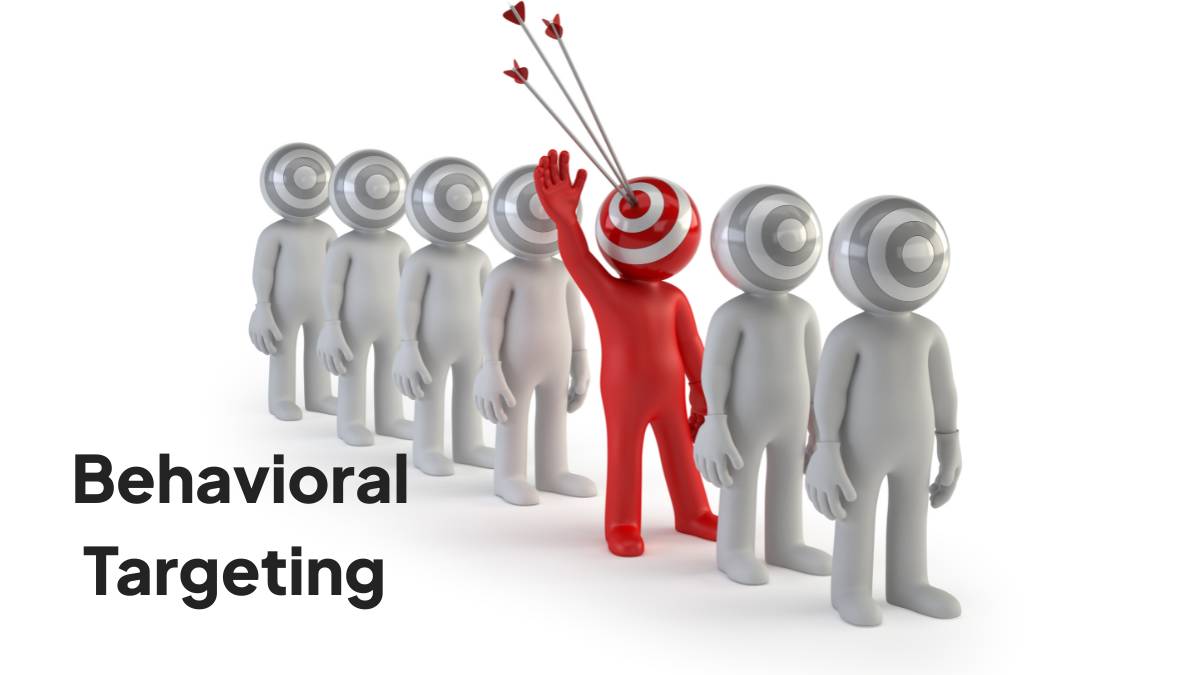
This blog takes a practical look at how behavioral targeting tools are changing the way marketing actually gets done. Instead of relying on static personas or broad demographics, it focuses on real user behavior insights; what people click, read, compare, and almost buy. Those signals tell a clearer story. The guide walks through how behavioral targeting works behind the scenes, what features really matter in a platform, and how to choose tools that fit real-world team workflows. It also shares hands-on best practices and campaign examples where better timing and personalization lead to stronger engagement and higher ROI. Less guesswork. More relevance where it counts.
Table of Contents
Introduction:
What Are Behavioral Targeting Tools?
Behavioral targeting tools are built around a simple idea that took the industry a while to fully accept: actions speak louder than profiles.
Instead of guessing who someone is based on age, job title, or broad interests, these tools look at what people actually do. Pages visited. Products compared. Emails opened but ignored. Time spent hovering on a pricing page. Small signals on their own, sure. But together, they paint a pretty clear picture of intent.
That’s where behavioral targeting changes the game. It moves marketing away from assumptions and toward observation. Someone who has visited a product page three times in two days is in a very different mindset than someone landing on a blog post for the first time. Treating them the same is a waste of budget, of attention, of opportunity.
Modern behavioral targeting tools turn those patterns into action. They collect user behavior insights, group similar users together, and trigger personalized marketing across ads, email, websites, and apps. Not in a creepy, over-the-top way. More like a well-timed follow-up that actually makes sense.
Used properly, these tools help teams:
- Spot high-intent users before they disappear
- Shift messaging based on real journey stage, not static personas
- Automate follow-ups tied to meaningful actions
- Improve engagement and conversions without just spending more
It’s not louder marketing. It’s smarter timing. Big difference.
Understanding Behavioral Targeting
Behavioral Targeting Explained: How It Works
Under the hood, most behavioral targeting systems follow the same rhythm: watch what happens, find patterns, respond accordingly.
Tracking user interactions
First comes data collection. Websites, apps, emails, and ads are tagged so behavior can be recorded. Not just visits, but how people move.
Typical signals include:
- Pages viewed and how long someone sticks around
- Repeated visits to the same product or service page
- Add-to-cart actions that don’t turn into purchases
- Content topics someone keeps returning to
One click doesn’t mean much. But five related actions over a week? That starts to tell a story.
Creating dynamic customer segments
Once enough behavior builds up, users get grouped based on what they’ve done. The important part: these segments update automatically. No exporting spreadsheets or rebuilding lists every week.
Some examples seen in real campaigns:
- Visitors who checked pricing more than once but didn’t sign up
- Shoppers who abandoned a cart in the last 48 hours
- Users who read multiple comparison or “best of” articles
As behavior changes, segment membership changes. Someone researching casually can become “high intent” almost overnight.
Delivering personalized messages and ads based on behavior
This is where the data turns into actual marketing.
Behavioral targeting tools sync segments with ad platforms, email systems, and on-site personalization engines. Then the right message gets shown to the right group, automatically.
That might look like:
- Retargeting ads featuring the exact product someone viewed
- Emails triggered after browsing key service pages
- Homepage banners that change for returning visitors
- Limited-time offers are shown to users who keep hesitating at checkout
It’s not magic. It’s responsiveness. Marketing that reacts instead of repeating the same message to everyone.
Benefits of Behavioral Targeting Tools
The value shows up in performance, but also in efficiency. Less guesswork. Fewer wasted impressions.
Increased relevance and engagement
When messages line up with recent behavior, they feel timely. Users are more likely to click, read, or explore because the content matches what was already on their mind.
Better ad targeting and higher ROI
Budgets go toward people showing signals of intent, not just broad audience traits. That usually means stronger returns without having to scale spend at the same rate.
Higher conversion rates with personalized messaging
Behavior-based campaigns, especially retargeting and triggered emails, tend to convert better because they’re tied to a specific action. A reminder about something someone almost bought lands differently than a generic promo.
Automated optimization of campaigns
Most behavioral targeting tools continuously update segments and triggers as new data comes in. Campaigns adjust in the background while teams focus on strategy and creative, not manual list management.
Over time, this creates a marketing engine that adapts to real user behavior. Not perfectly, not instantly, but consistently enough to outperform static targeting approaches.
Behavioral Targeting vs Other Targeting Methods
Other targeting methods still have their place. Behavioral targeting just adds a layer of intent they can’t always see.
Contextual targeting
Ads are shown based on the content of the page someone is viewing right now. Useful for relevance in the moment, but it doesn’t reflect past interactions with the brand.
Interest-based targeting
Platforms group users by long-term interests. Good for reach, less precise for timing. Someone interested in “travel” could be planning a trip… or just daydreaming at work.
Demographic targeting
Age, gender, location, and income brackets. Helpful for defining broad audience fit, but weak when it comes to predicting who’s ready to act soon.
Why behavioral targeting often drives stronger ROI
Behavioral targeting leans on actions that suggest momentum: repeat visits, product views, abandoned checkouts. These signals point to users closer to a decision. Focusing spend and messaging here typically leads to better conversion rates and more efficient campaigns.
That’s why behavioral targeting tools have shifted from being an advanced add-on to a core part of performance marketing stacks. They simply align marketing efforts with real user intent, which is where results tend to follow.
Top 10 Best Behavioral Targeting Tools in 2026
No tool does “behavioral targeting” in exactly the same way. Some are built around on-site behavior, others around lifecycle messaging, and a few live mostly inside ad platforms. The common thread is simple: they turn user behavior insights into actions that improve timing, relevance, and ultimately performance.
Here’s a practical look at ten behavioral targeting tools that marketers keep coming back to, and why.
VWO (Visual Website Optimizer)
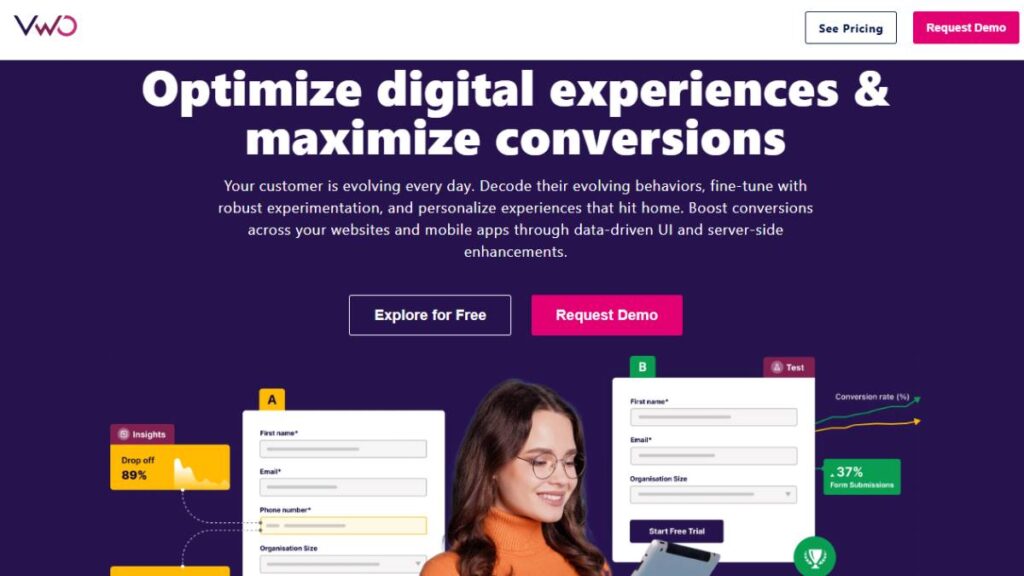
VWO is often associated with A/B testing, but its real strength lies in how testing connects with behavior. It doesn’t just show what variation won. It helps explain for which users it worked.
Ideal for:
Brands are serious about on-site optimization and conversion rate growth
Behavior tracking strengths:
- Tracks visitor journeys and engagement patterns
- Segments users based on on-site behavior before showing variations
- Connects behavioral data directly to personalization and experiments
How it improves results:
Let’s teams personalize experiences for high-intent segments, like repeat product viewers, and validate changes through structured testing instead of guesswork.
Segment (Customer Data Platform)
Segment is less about flashy dashboards and more about plumbing. The useful kind. It captures behavioral events and routes them where they need to go.
Ideal for:
Companies juggling multiple marketing and analytics tools
Behavior tracking strengths:
- Event-level tracking across web and apps
- Builds unified user profiles from scattered data sources
- Sends behavior-based audiences to email, ads, and analytics tools in real time
How it improves results:
Prevents behavioral data from getting stuck in one platform. A product view can influence ad targeting, email timing, and in-app messages without manual exports.
Insider

Insider leans heavily into cross-channel personalization. Behavior in one place quickly influences messaging somewhere else.
Ideal for:
Retail, travel, and subscription brands running multi-channel journeys
Behavior tracking strengths:
- Tracks behavior across web, mobile web, and apps
- Builds predictive segments based on engagement and purchase patterns
- Triggers messages in real time based on user actions
How it improves results:
Keeps experiences consistent. Someone browsing on mobile today might receive a tailored email tomorrow that actually reflects what they looked at.
Klaviyo
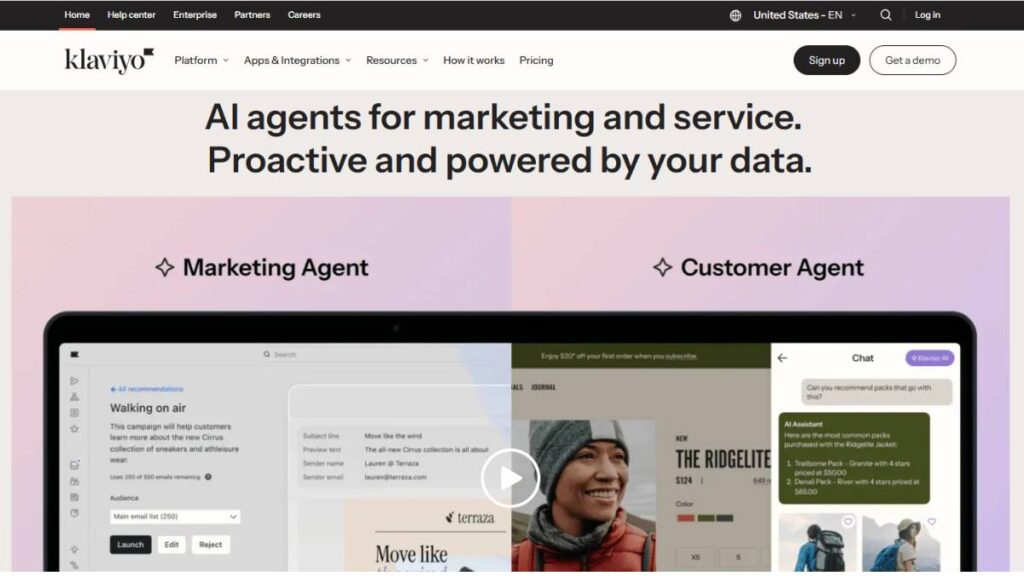
Klaviyo has become a go-to in e-commerce for a reason. It’s built around shopper behavior from the ground up.
Ideal for:
Online stores, from growing brands to large catalogs
Behavior tracking strengths:
- Deep integrations with commerce platforms
- Tracks product views, cart events, and purchase history
- Flexible automation built around browsing and buying behavior
How it improves results:
Drives a big share of revenue through behavior-triggered flows; abandoned cart, browse abandonment, rand eplenishment reminders. Timely, not random.
CleverTap
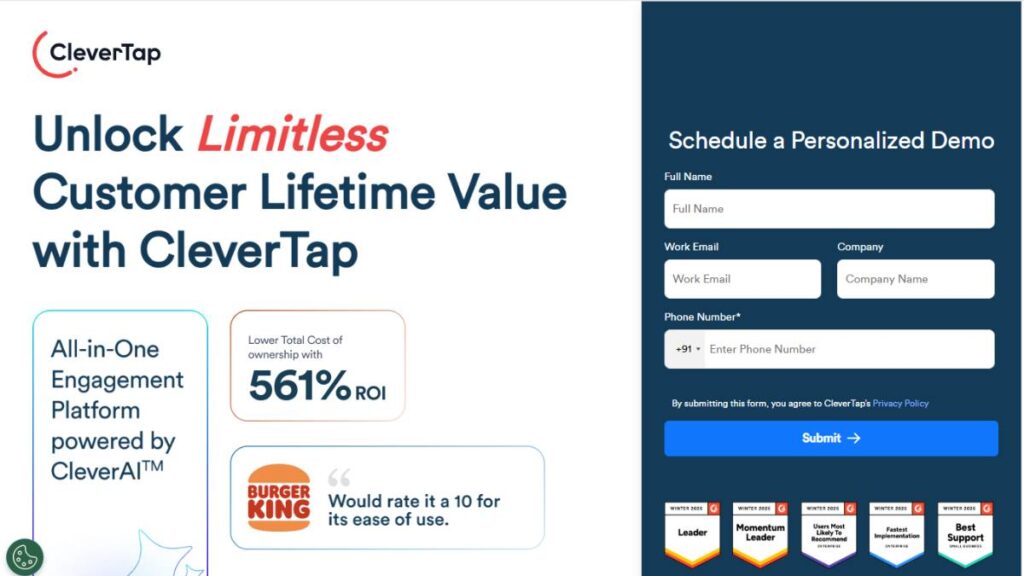
CleverTap focuses strongly on retention and lifecycle engagement, especially for apps and digital products.
Ideal for:
Mobile-first businesses and subscription platforms
Behavior tracking strengths:
- Tracks in-app actions and feature usage
- Uses RFM analysis to identify valuable or slipping users
- Builds intent-based segments from usage patterns
How it improves results:
Helps teams act before users churn. Behavior signals like drop-offs in activity can trigger nudges, offers, or reminders at the right moment.
Omnisend
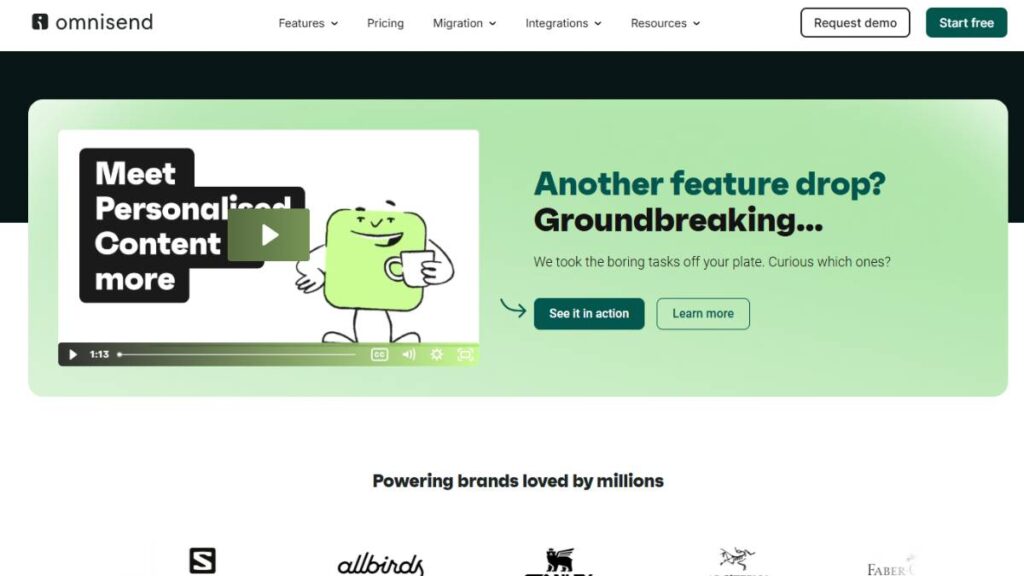
Omnisend sits in a similar space to Klaviyo but often appeals to smaller teams that want strong automation without heavy setup.
Ideal for:
Small to mid-size e-commerce brands
Behavior tracking strengths:
- Tracks browsing and purchase behavior
- Pre-built automation for key shopper actions
- Coordinates email and SMS based on engagement
How it improves results:
Makes it easier to launch behavior-based campaigns quickly; useful when teams don’t have time to build complex flows from scratch.
AdAmigo.ai
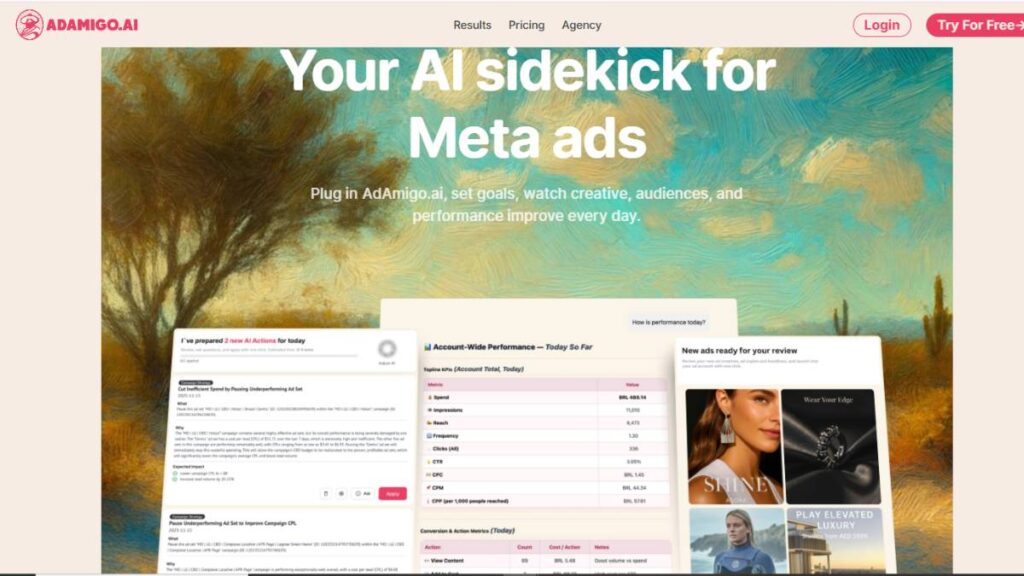
AdAmigo.ai focuses on improving paid social performance, especially within Meta campaigns, using behavioral and performance patterns.
Ideal for:
Performance marketing teams managing multiple Meta campaigns
Behavior tracking strengths:
- Analyzes historical performance tied to audience behavior
- Adjusts campaign structures and audiences based on conversion signals
How it improves results:
Reduces manual tweaking by identifying which behavior-driven audiences are performing and shifting budget accordingly.
Meta Advantage+ Audiences
Meta’s own Advantage+ tools use platform-level behavior to automate targeting decisions.
Ideal for:
Brands relying heavily on Meta for customer acquisition
Behavior tracking strengths:
- Uses large-scale engagement and conversion data inside Meta
- Automatically expands or refines audiences based on performance
How it improves results:
Helps find new converters based on behavior patterns similar to existing customers, often improving efficiency when creative and offers are solid.
AdRoll

AdRoll has long been tied to retargeting, and behavioral targeting is still at the heart of its value.
Ideal for:
Brands focused on bringing visitors back after initial interest
Behavior tracking strengths:
- Tracks site visits and product engagement
- Builds segments for retargeting across the web and social
- Supports cross-device retargeting
How it improves results:
Keeps products and offers in front of users who already showed interest, increasing the chance they return and convert.
Madgicx

Madgicx is built for performance marketers who want deeper insight into audience and creative performance on paid social.
Ideal for:
Media buyers and agencies managing large ad accounts
Behavior tracking strengths:
- Analyzes audience performance tied to engagement and conversions
- Surfaces data on which segments are actually driving results
How it improves results:
Helps shift spend toward behavior-driven audience segments that convert, while cutting back on those that only generate clicks without revenue.
Across these platforms, the approach varies. Some start with on-site behavior, others with lifecycle messaging or ad platform data. But the goal stays the same: use real behavior, not assumptions, to decide who sees what, and when. That’s where behavioral targeting tools tend to earn their keep.

Enroll Now: Product Marketing Course
How to Choose the Right Behavioral Targeting Tool
Picking a behavioral targeting platform isn’t about chasing the longest feature list. It’s about fit. The right tool matches business goals, data reality, and team capacity; not just ambition.
Identify Your Campaign Goals First
Before comparing dashboards and pricing pages, step back. What should behavioral targeting actually improve?
- Awareness: Expanding reach to new but relevant audiences
- Conversion: Nudging high-intent users over the line
- Retention: Bringing customers back and increasing lifetime value
A brand focused on retention will need deep lifecycle and usage tracking. A performance-driven acquisition team may care more about behavior signals feeding ad platforms. Different priorities, different tool strengths.
Behavior Data Sources & Tracking Needs
Not all behavior data is created equal. Some businesses generate most of their signals on-site, others inside apps, and others through ads and email.
Questions worth asking:
- Is the most valuable behavior happening on the website, inside a mobile app, or across both?
- Do campaigns need real-time triggers, or are daily updates enough?
- Is anonymous visitor tracking important, or mostly known users?
A tool that’s great for web personalization might fall short for in-app engagement, and vice versa. The tracking foundation has to match where customers actually interact.
Budget & Scalability
Behavioral targeting tools range from lightweight automation platforms to enterprise ecosystems. Costs often scale with contacts, events, or traffic.
Consider:
- How quickly is user data volume likely to grow
- Whether pricing increases sharply after certain thresholds
- If advanced features (predictive segments, cross-channel orchestration) are locked behind higher tiers
It’s easy to overbuy early. It’s just as painful to outgrow a tool in a year and rebuild everything.
Integration With Your Tech Stack
Even the best behavioral targeting features lose value if they sit in a silo.
Check how well the platform connects with:
- CRM and customer data systems
- Email and SMS platforms
- Ad networks and social channels
- Analytics and reporting tools
Smooth integrations mean behavior data flows automatically to the places campaigns actually run. Manual exports and workarounds slow teams down, and usually lead to underused data.
Privacy & Compliance
Behavioral targeting relies on user data, so governance matters. A lot.
Look for:
- Consent management support
- Clear data storage and processing practices
- Tools for handling data deletion or user access requests
Regulations like GDPR and CCPA aren’t going away. A platform that makes compliance easier is worth more than one that leaves teams guessing.
Best Practices for Using Behavioral Targeting Tools
Having strong behavioral targeting software is one thing. Using it well is another. Results usually come from discipline, not just technology.
Set clear KPIs before targeting
Behavioral targeting can improve many metrics, but campaigns need focus.
Decide early whether success means:
- Higher conversion rates
- Increased average order value
- Better retention or repeat purchase rates
- Lower acquisition costs
Clear KPIs help teams design segments and triggers with purpose, not just curiosity.
Use both predictive and real-time behavior data
Real-time actions, like a cart abandonment, are powerful. But predictive patterns matter too.
Combining both allows teams to:
- React immediately to high-intent signals
- Identify users trending toward churn or repeat purchase
- Prioritize audiences based on likely value, not just recent activity
Short-term signals drive urgency. Longer-term patterns guide strategy.
Combine segmentation with creative personalization
Segments alone don’t move numbers. Messaging does.
A user labeled “high intent” should see:
- Ads that reference products they viewed
- Emails that address their specific stage in the journey
- On-site content that reduces friction, not just repeats generic offers
Behavioral targeting works best when the creative reflects the behavior that triggered it. Otherwise, it’s just another audience list.
Test and iterate
Even behavior-based assumptions can be wrong.
Run tests around:
- Which triggers perform best
- How soon to follow up after key actions
- What type of offer or message converts different segments
Some audiences respond to urgency. Others need more information. Testing reveals the difference.
Conclusion
Behavioral targeting tools have quietly become the backbone of performance-focused marketing. Not flashy, not trendy; just effective. When campaigns respond to real user behavior instead of broad assumptions, results tend to stabilize. Costs get easier to control. Messaging starts to feel better timed, less intrusive, and more relevant. That shift alone changes how people interact with brands.
The real win comes from alignment. Behavior data, campaign goals, and channel strategy need to work together. Too often, teams collect plenty of user behavior insights but activate only a fraction of them. Or they over-segment, chasing precision that doesn’t actually move revenue. There’s a balance. Enough detail to be relevant, not so much that execution slows down.
Strong behavioral targeting also depends on rhythm. Launch, observe, adjust. Some segments surprise you. Others underperform for reasons that aren’t obvious at first glance. That’s normal. The teams that treat behavioral targeting as an ongoing optimization loop, not a set-it-and-forget-it system, usually see steadier gains over time.
In the end, the best behavioral targeting tools are the ones that make action easier. Faster segmentation. Quicker testing. Smoother personalization across channels. When the tech fades into the background and strategy leads, performance tends to follow.
FAQs:
1. What are behavioral targeting tools?
Behavioral targeting tools are platforms that analyze user behavior insights like clicks, browsing activity, purchases, and engagement patterns. Marketers use this data to create audience segments based on real actions rather than guesses. This allows personalized marketing across ads, email, and websites, typically improving relevance, engagement rates, and overall conversion performance.
2. How do behavioral targeting tools work?
These tools track interactions across digital touchpoints and turn that data into behavioral segments. Rules or predictive systems determine when someone qualifies for a specific campaign or message. Once triggered, content, timing, or offers adjust automatically. The goal is to respond to user intent signals in real time instead of relying only on static targeting.
3. Which behavioral targeting tool is best for small businesses?
Smaller businesses usually benefit most from behavioral targeting tools that are simple to manage and quick to activate. Strong automation, built-in integrations, and clear reporting matter more than advanced customization. Tools that reduce manual work while still offering meaningful segmentation often help lean teams improve campaign performance without adding operational complexity.
4. Can I use behavioral targeting tools for ads and email?
Behavioral targeting tools often support both advertising and email from the same pool of user behavior insights. Actions like product views or cart activity can trigger retargeting ads, follow-up emails, or personalized recommendations. Using shared behavior data across channels keeps messaging consistent and helps move users through the funnel more smoothly.
5. Are behavioral targeting tools GDPR compliant?
Many behavioral targeting tools offer features that support GDPR compliance, including consent tracking and data management controls. Still, compliance depends on how organizations collect and use behavioral data. Clear user consent, transparent policies, and responsible data handling practices are essential to ensure behavioral targeting remains both effective and legally sound.