
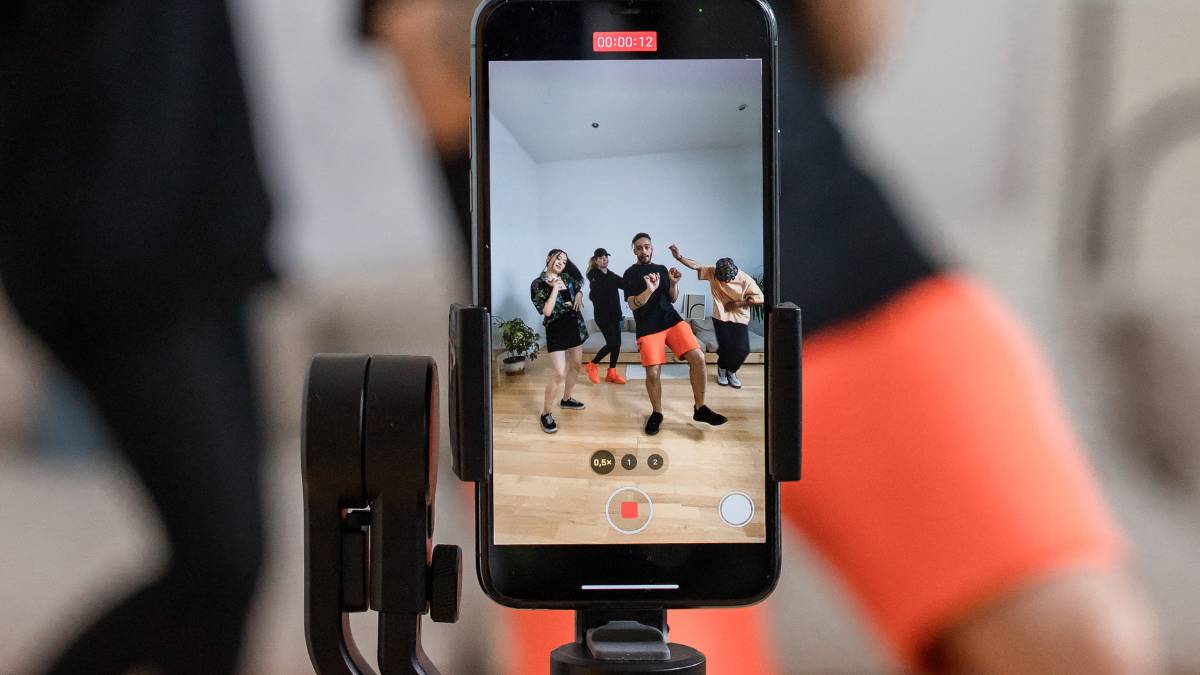
Generating prompts for TikTok video ideas doesn’t start with creativity. It starts with clarity. See the title, and it sounds big, but the process itself is practical, almost boring in the best way. Strong prompts come from knowing what the video needs to do, who it’s speaking to, and how people actually watch TikTok. Not how they say they watch it; how they scroll, pause, and decide to stay.
This guide breaks down how to generate prompts for TikTok video ideas that lead somewhere, not just ideas that sound good on paper. It shows how to shape prompts around goals, audience intent, and familiar formats, so posting feels repeatable instead of exhausting. Less guessing. More direction. And content that actually gets finished, watched, and remembered.
Table of Contents
Introduction:
Why Prompting Matters for TikTok Content Creation
Coming up with TikTok ideas is exciting at first. Then reality hits. After a few weeks of posting, the ideas don’t flow as easily. Some days you open the app, scroll for five minutes, and still have no clue what to film. That’s not a creativity problem. It’s a structural problem.
When people talk about TikTok video idea prompts, they’re really talking about direction. A prompt is the difference between “post something today” and “open with a strong opinion, talk to beginners, and keep it under 30 seconds.” One gives freedom. The other gives momentum.
Most creators struggle with consistency because every video feels like starting from zero. New topic. New hook. New angle. That mental load adds up fast. Eventually, posting feels heavier than it should, and that’s when people slow down or disappear altogether.
Good prompts take that pressure off. They turn content creation into a response instead of a guessing game. Instead of asking what to post, the question becomes which prompt to use. That small shift changes everything.
This guide is built for creators, brands, and marketers who want TikTok ideas to feel easier, faster, and more repeatable, without killing originality or sounding like everyone else.
What Are TikTok Video Idea Prompts?
A TikTok video idea prompt is a clear starting point for a specific kind of video. Not a full script. Not a vague topic either. It sits right in the middle.
A content idea might be something broad like “talk about productivity.” A prompt narrows that down: who the video is for, what angle to take, and how to frame it so someone actually sticks around. Suddenly, the video has a shape.
That’s the key difference. Ideas are loose. Prompts are directional.
Strong prompts quietly guide everything that matters on TikTok. The opening line. The pacing. Whether the video feels educational, relatable, or opinionated. Even the ending often becomes clearer because the intent was defined upfront.
Weak prompts leave too many decisions open. Strong ones remove just enough friction to get the recording started while still leaving room for personality. That balance is what makes prompts such a powerful tool for creators who want consistency without feeling boxed in.
Why Learning Prompt Creation Is a High-Value Skill
TikTok rewards are showing up. Often. Not perfectly; just consistently. That’s easy to say and surprisingly hard to execute when every post depends on fresh inspiration.
Prompt-based creation solves that. Planning becomes faster because you’re not inventing from scratch every time. You’re working from patterns that already make sense for your niche and audience. One solid prompt can turn into multiple videos just by shifting the angle slightly.
This also changes how trends are used. Instead of copying what’s already everywhere, prompts help translate trends into something that fits your voice and your audience. That’s where real growth comes from: recognition, not repetition.
Different people use prompts in different ways. Creators rely on them to stay consistent without burning out. Marketers use them to test messages quickly. Businesses use them to make sure content actually supports awareness or sales instead of random posting.
Once prompt creation becomes a skill, content stops feeling fragile. Miss a day? No panic. There’s a system to fall back on.
How TikTok’s Algorithm Shapes Better Prompts
TikTok doesn’t care how long a video took to edit. It cares how long people watch. That’s it.
Watch time, completion rate, replays; those signals matter far more than perfect lighting or transitions. A slightly messy video with a strong opening will almost always beat a polished one that takes too long to get to the point.
This is why prompts matter so much. A good prompt forces clarity at the start. It makes the hook unavoidable. It answers, before recording even begins, why someone should stop scrolling.
Prompts that perform well usually lean into formats TikTok already understands: POVs, quick stories, lists, and opinions that spark agreement or disagreement. These formats work because they guide attention, not because they look impressive.
When prompts are written with outcomes in mind, views, saves, and shares, they naturally push creators toward content people actually finish watching. And on TikTok, that’s the real currency.
How to Generate Prompts for TikTok Video Ideas
This is where most people get stuck, and where things finally click when done right. Good prompts don’t appear out of nowhere. They’re built deliberately, with intent, context, and a clear outcome in mind. Once this process is understood, idea generation stops feeling random.
Step 1: Define the TikTok Content Goal Before Writing Prompts
Every strong prompt starts with a goal. Not a vague one. A clear one.
Posting “for visibility” is not a goal. Neither is “hoping it goes viral.” TikTok content works best when each video knows what it’s trying to do before it’s created.
Some prompts are designed to pull in views and reach new people. Others are meant to build trust, spark followers, or push viewers toward the next step. Mixing these without intention usually leads to content that performs inconsistently.
A prompt written for awareness will sound very different from one written for authority or conversion. Awareness prompts lean into curiosity and relatability. Authority prompts lean into clarity and insight. Conversion prompts focus on pain points and outcomes.
Once the goal is set, the prompt has direction. Without it, the video wanders.
Step 2: Identify Your TikTok Niche and Audience Intent
Niche clarity sharpens prompts instantly. The more specific the audience, the easier it becomes to write ideas that land.
Audience intent is simply understanding why someone would watch your video in the first place. Are they trying to learn something? Be entertained? Feel seen? Solve a problem quickly?
An educational prompt speaks directly to a gap in knowledge. An entertaining prompt focuses on humor, surprise, or exaggeration. A relatable prompt mirrors a feeling the audience already has but hasn’t articulated yet.
When prompts feel flat, it’s usually because they’re written for “everyone.” TikTok doesn’t reward that. Specificity does.
Step 3: Break Down High-Performing TikTok Video Formats
Formats matter more than most people admit. They give structure to attention.
Certain formats consistently work because viewers already know how to consume them. POV videos feel personal. “Things I wish I knew” signals honesty. Before–and–after videos promise transformation. Storytime builds suspense. List-style videos feel efficient.
Prompts become powerful when they’re tied to formats instead of floating ideas.
A simple way to do this is by turning formats into reusable templates. The wording changes, the structure stays. Fill in the audience, the tension, the payoff. Suddenly, one format supports dozens of videos without feeling repetitive.
This is how creators stay consistent without sounding recycled.
Step 4: How to Write High-Quality TikTok Prompts (Prompt Anatomy)
Strong prompts share a few quiet traits.
They define the role clearly, who’s speaking, and from what perspective. They speak to a specific audience, not a general crowd. They choose a format up front instead of leaving it open-ended. They include an emotional pull, even if it’s subtle. And they point toward an outcome, whether that’s learning something, agreeing, saving, or sharing.
When these elements come together, the prompt almost writes the opening line for you.
A simple structure works well: identify the audience, name the tension, choose the format, and define the takeaway. It doesn’t need to be fancy. It just needs to be clear.
Clarity is what removes hesitation when it’s time to record.
Apply Now: AI Marketing Course
Step 5: Using Prompt Systems to Generate Better Video Ideas
The mistake here is relying on raw idea dumps. Lists of random topics rarely translate into strong videos.
What works better is using a system. Start with a base prompt, then refine it. Make it narrower. Add context. Decide the angle. If the prompt feels vague, it probably is.
When an idea feels “almost right” but not quite usable, that’s a signal to tighten the audience, sharpen the hook, or change the format. Good prompts don’t come out perfect on the first try. They’re shaped.
The goal isn’t more ideas. It’s usable ones.
Step 6: TikTok Prompt Examples by Content Type
Educational prompts focus on clarity and payoff. They often answer one specific question or break down one misunderstood concept. Short, direct, and structured.
Viral-style prompts lean into curiosity. They interrupt patterns, challenge assumptions, or tease an unexpected outcome. These prompts are less about teaching and more about holding attention.
Brand and business prompts work best when they don’t feel like ads. Soft-selling prompts focus on insight first. Authority-building prompts show understanding of a problem before offering a solution.
Different goals, different prompts. Same underlying structure.
Step 7: How to Repurpose One Prompt Into Multiple Videos
One strong prompt rarely needs to be used only once.
Change the angle, and the same idea becomes fresh. Shift the hook, and it attracts a new segment of viewers. Adjust the tone, from serious to casual, and it feels different again. Swap the call to action and the outcome changes.
This is how creators turn one idea into five or ten videos without stretching. The core stays the same. The framing evolves.
When prompts are built well, they scale naturally.
Common Mistakes When Generating Prompts for TikTok Video Ideas
Most prompt issues aren’t complicated. They’re subtle, and that’s why they keep happening.
The biggest one is writing prompts that are too generic. If a prompt could apply to anyone on TikTok, it probably won’t strongly connect with anyone. Broad prompts feel safe, but they usually lead to average videos that disappear quickly. Specific beats are safe every time.
Another common miss is ignoring TikTok’s natural language. TikTok content isn’t meant to sound scripted or formal. Prompts that read like blog headlines or presentation titles don’t translate well on camera. If it doesn’t sound like something you’d actually say out loud, it’s going to feel off when recorded.
Hooks are another weak spot. A lot of prompts describe the topic, but forget the opening moment. Without a clear hook built into the prompt, creators hesitate, ramble, or bury the point too late. On TikTok, that first line matters more than the rest of the video combined.
Then there’s trend copying. Using trending formats without context leads to content that feels hollow. Trends work when they’re adapted to a niche or point of view. Prompts should explain why this trend makes sense for your audience, not just that it’s trending.
These mistakes don’t mean someone lacks creativity. They usually mean the prompt wasn’t thought through enough before recording.
Also Read: 20 Marketing project topics + ChatGPT prompts
How to Improve TikTok Prompts Using Performance Data
Good prompts don’t stay static. They evolve.
The easiest place to start is retention. When viewers drop off early, that’s feedback. It usually points to a weak hook, unclear framing, or a mismatch between what was promised and what was delivered. Prompts can be adjusted to fix that, often by tightening the opening or clarifying the outcome sooner.
Engagement patterns tell a story, too. Videos with saves usually offer practical value. Shares often signal relatability or strong opinions. Comments highlight confusion, curiosity, or emotional reactions. Each of these signals can feed directly back into prompt writing.
Comments, in particular, are a goldmine. Questions, disagreements, and repeated themes often point to what the next prompt should address. When prompts start responding to real audience reactions, content becomes more relevant without trying harder.
The goal isn’t to overanalyze. It’s to notice patterns and make small, intentional changes. Over time, prompts naturally get sharper because they’re shaped by what actually works.
Also read: How to Generate Prompts for AI Social Media Content
TikTok Prompt Generation Workflow for Consistent Content
Consistency doesn’t come from motivation. It comes from systems.
A simple workflow makes prompt generation predictable instead of stressful. Many creators find it easier to batch prompts once a week instead of thinking daily. One focused session can easily produce ideas for the next several weeks.
Prompt libraries help here. Organizing prompts by niche, format, or goal makes it easier to choose what to post based on mood or timing. Some days call for educational content. Other days call for lighter, relatable videos. Having options removes friction.
Planning 30 days of content doesn’t mean locking everything in. It means giving yourself direction. Prompts act as placeholders that can be refined right before posting, seeing what’s trending or how the audience is reacting that week.
When prompt generation becomes part of a workflow, content creation stops feeling fragile. There’s always a next idea ready, and that’s often the difference between creators who stay consistent and those who burn out quietly.
How This Prompt Strategy Aligns With How Content Gets Discovered and Summarized
Clear structure isn’t just helpful for readers; it makes ideas easier to understand, repeat, and reuse. When content follows a logical flow, each section answers a specific question without wandering, and the core ideas travel further. That matters more than most people realize.
Step-by-step thinking works because it mirrors how people learn. One decision leads to the next. Goal first, audience second, format after that. Prompts built this way don’t feel scattered. They feel intentional. That clarity shows up in the final video, too.
Headings that clearly state what’s being explained also do quite work in the background. They make it obvious what each section is about, which helps the content get interpreted correctly when it’s summarized or referenced elsewhere. No guesswork, no stretching.
Examples and definitions play a similar role. They anchor abstract ideas in something concrete. Instead of telling readers what a “good prompt” is, showing it removes ambiguity. That’s what makes content feel trustworthy and easy to pull insights from.
When prompts are taught clearly, they don’t just help creators post better videos. They help the ideas behind those videos travel further.
Conclusion:
Prompting isn’t a shortcut. It’s a foundation.
When prompts are done well, they quietly support everything else: consistency, clarity, and confidence on camera. Content creation stops feeling fragile. Miss a day, it’s fine. The system is still there.
The long-term advantage comes from building a personal prompt system. One that fits the niche, the audience, and the goals behind the account. Over time, those prompts evolve. They get sharper. More specific. More effective.
For creators and marketers alike, the next step isn’t chasing more ideas. It’s building better starting points. When the starting point is strong, the content usually takes care of itself.
FAQs: How to Generate Prompts for TikTok Video Ideas
1. Can prompts really help generate TikTok video ideas?
Yes, but only when they’re written with intention. Prompts don’t replace creativity. They focus on it. Instead of starting from nothing, creators respond to a direction, which makes idea generation faster and more consistent.
2. How many TikTok prompts should be created at once?
Enough to remove daily pressure. For many creators, that’s 15 to 30 prompts at a time. The goal isn’t to lock everything in, but to avoid staring at a blank screen every day.
3. Are prompts different for brands versus individual creators?
The structure is similar, but the tone and intent shift. Brands lean more toward authority and trust. Individual creators often lean into relatability and opinion. Same framework, different emphasis.
4. How do prompts make videos more likely to perform well?
Strong prompts build in clarity from the start. They define the hook, the audience, and the outcome before recording begins. That usually leads to tighter videos that hold attention longer.
5. Can prompts help new TikTok accounts grow?
Absolutely. Prompts give newer accounts structure when experience is limited. They reduce guesswork and help avoid common mistakes early on.