
Not all campaigns are created equal. Most fade away fast. The ones that stick; those are innovative marketing campaigns. They don’t just shout louder; they make people pause, laugh, think, or jump in. From Barbie’s inclusive doll to Duolingo’s mascot stunt, the examples here show how timing, emotion, and participation matter more than fancy effects. The blog breaks down why innovation counts today, the trends shaping campaigns, and a practical framework to make ideas that people actually remember and share. If the goal is impact, it’s not about being seen. It’s about being part of the conversation.
Table of Contents
Introduction
Most marketing campaigns don’t fail dramatically. They just… disappear. They run, they get impressions, maybe a few clicks, then fade into the background noise where average ideas go to rest.
The campaigns people still talk about months or years later usually did something different. Not louder. Not necessarily bigger. Just sharper in how they understood people; how they grabbed attention, sparked conversation, or made the brand feel unexpectedly relevant.
That’s the kind of innovation worth studying. The kind that moves culture a little, or at least moves the category forward.
Before jumping into examples, it helps to be clear about what “innovative” actually means here. Because it’s not just a flashy execution or a trendy format.
What Are Innovative Marketing Campaigns?
“Innovative” gets thrown around a lot in marketing meetings. New filter? Innovative. AI visual? Innovative. Interactive banner? Innovative.
Not really.
A campaign becomes innovative when it changes how people experience a brand. When it makes the audience see the category differently. When it earns attention instead of renting it.
Sometimes that innovation shows up in the idea. Sometimes, in how the audience is involved. Sometimes the campaign lives beyond a single ad. Often, it’s a mix.
What innovation really looks like in today’s digital space
Audiences are quick now. They can smell a hard sell from miles away. The old formula: polished ad, clear message, heavy media push; still works in some cases, but it rarely excites anyone.
Innovative campaigns tend to feel more native to how people already use platforms. They show up in feeds in ways that don’t immediately scream “ad.” They leave room for people to react, remix, or add their own spin.
And importantly, they don’t try to say everything at once. One strong thought. One sharp angle. That restraint makes the idea travel further.
Traditional vs innovative campaigns (the real difference)
Traditional campaigns usually start with what the brand wants to say. The brief is message-first. Then creative is built around delivering that message clearly and consistently.
Innovative campaigns often start somewhere else, with a human tension, a cultural shift, a behavior people recognize instantly. The brand fits into that space rather than forcing the spotlight onto itself.
Traditional work pushes messages out. Innovative work pulls people in.
Traditional campaigns aim for reach. Innovative ones aim for reaction.
Traditional ads sit in designated ad spaces. Innovative campaigns spill into comment sections, DMs, duets, memes, and group chats.
Control goes down a little. Energy goes up a lot.
Common traits of truly innovative campaigns
There’s no fixed formula, but certain patterns show up again and again.
A simple, strong core idea
If the idea needs five slides to explain, it’s probably not strong enough. The best campaigns can be summed up in a sentence that makes people lean forward a bit.
Cultural timing that feels natural
Not trend-chasing for the sake of it. More like reading the room correctly. Understanding what people are already thinking, joking about, or frustrated with, and entering that conversation in a way that feels earned.
Audience involvement, not just exposure
Instead of just watching, people get to do something. Share their version. Add their story. Vote. Create. That shift from passive to active changes how deeply the campaign sticks.
Smart use of format, not gimmicks
New formats help when they serve the idea. Interactive, short-form video creators, outdoor stunts, community drops; all great, if they make the story stronger. When the format becomes the headline, the idea is usually weak.
An emotional hook, even a subtle one
Humor. Nostalgia. Relief. Recognition. Even a small emotional spark is enough. Information alone rarely spreads. Feelings do.
Why Innovation in Marketing Matters More Than Ever
There’s more content than anyone can process. More brands talking. More creators posting. More everything. Attention isn’t just scarce, it’s fragmented into tiny, unpredictable moments.
That changes the job.
Attention now has to be earned in seconds
Most brand messages live in feeds where people scroll fast and decide faster. No one wakes up hoping to see ads. So the first job of any campaign is simply to make someone pause.
Innovative campaigns are designed with that reality in mind. They break patterns. An unexpected visual. A line that sounds unusually honest. A setup that doesn’t feel like typical category advertising.
That pause, even two seconds, is the doorway.
Shareability comes from identity, not information
People don’t usually share ads because they’re informative. They share things that say something about them. Their humor. Their taste. Their point of view.
Innovative campaigns often travel because they give people social currency. Sharing becomes a small act of self-expression. That’s when distribution starts working for the brand instead of the other way around.
Safe campaigns don’t get remembered
Playing it safe often means sounding like everyone else. Same claims. Same tone. Same visual codes. It feels familiar, but not in a good way; more like background noise.
The campaigns that stand out usually take a clear stance somewhere. They exaggerate a truth. They admit something other brands avoid. They commit to a distinct tone and carry it all the way through.
Not reckless. Just brave enough to be specific.
Storytelling now stretches beyond a single ad
Campaigns don’t live in one film anymore. They unfold across posts, creators, reactions, remixes, and follow-up moments. The story develops in public.
Strong modern campaigns leave room for that. They create a world or a theme people can step into, not just observe. When that happens, marketing starts feeling less like an interruption and more like something people choose to spend time with.
And that’s when brands stop chasing attention and start holding it.
10 Best Innovative Marketing Campaign Examples
Some campaigns get polite applause. A few get attention for a week. And then there are the rare ones that shift how a brand is talked about; sometimes even how a category behaves. That’s the level worth studying.
Here are ten innovative marketing campaigns that didn’t just look different, but worked differently. The interesting part isn’t just what they did, but why it clicked.
1. ChatGPT’s First Brand Campaign – Making AI Feel Human

Tech advertising usually runs toward the future. Big promises. Abstract visuals. Words like “revolutionary” are doing heavy lifting. This campaign slowed things down.
Instead of hyping the technology, it showed small, familiar moments: writing help, learning support, and everyday problem-solving. The product became part of normal life, not a distant sci-fi tool. That shift made the brand feel approachable, not intimidating.
The emotional tone mattered. Curiosity instead of complexity. Helpfulness instead of hype.
Lesson for marketers: When a product feels advanced, the communication should feel simple and human. Familiar beats futuristic most of the time.
2. Barbie’s Type-1 Diabetes Doll – Representation in Product Marketing

This wasn’t loud. It didn’t need to be.
By launching a Barbie doll with Type-1 diabetes, complete with realistic medical accessories, the brand moved representation from messaging into the product itself. Families noticed the care in the details. Advocacy groups noticed. Kids who rarely see themselves in toys noticed most of all.
It felt considered rather than promotional, which is a big difference in purpose-driven campaigns. The story spread because people felt seen, not targeted.
Lesson: Real inclusion shows up in design decisions, not just campaign copy. When representation is built in from the start, trust follows.
3. Heinz “Looks Familiar” Campaign – Power of Distinctive Brand Assets
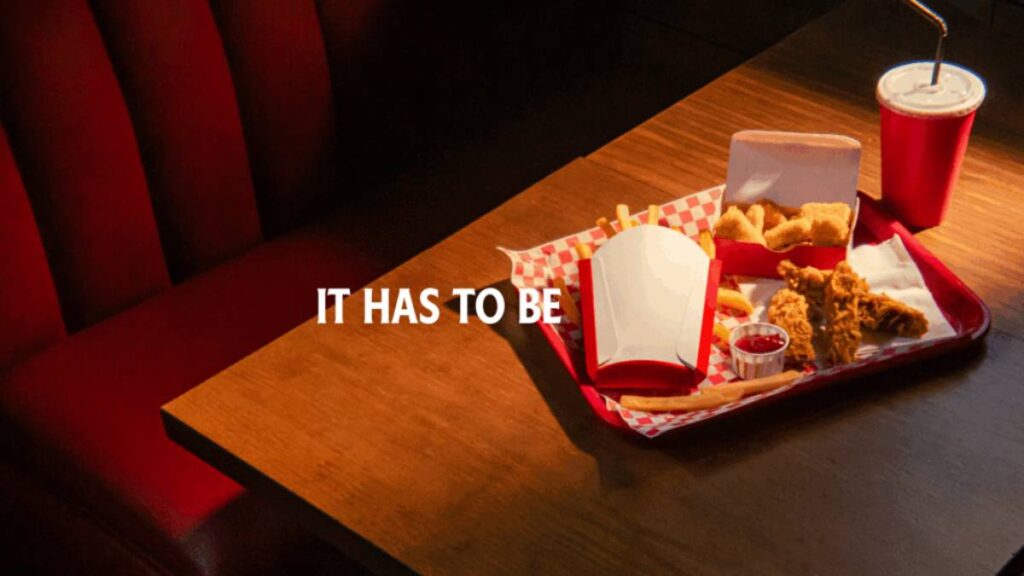
No logo. No product name. Just visuals built around Heinz’s unmistakable colors and bottle shape.
And still, people recognized it instantly.
That only works when a brand has invested for years in a consistent visual identity. The campaign relied on memory, not explanation. It trusted the audience to get it, and that confidence made the work feel bold and modern.
In a sea of ads trying to say everything, this one said almost nothing. That restraint did the job.
Lesson: Distinctive brand assets are long-term investments. Over time, they can carry an entire campaign with barely a word.
4. Axe Bus Stop Arcade – Experiential & Gamified Marketing

A regular bus stop turned into a playable arcade game. People waiting around suddenly had something to do, and something worth filming.
The genius wasn’t just the physical setup. It was how naturally the experience turned into social content. Strangers recorded each other playing. Clips traveled online. The brand didn’t have to push distribution too hard; the audience handled that.
It blurred the line between outdoor media, gaming, and shareable entertainment.
Lesson: Give people an experience, not just a message. If it’s fun enough, the internet will take care of the amplification.
5. Duolingo’s “Duo Is Dead” Stunt – Viral Storytelling on Social Media
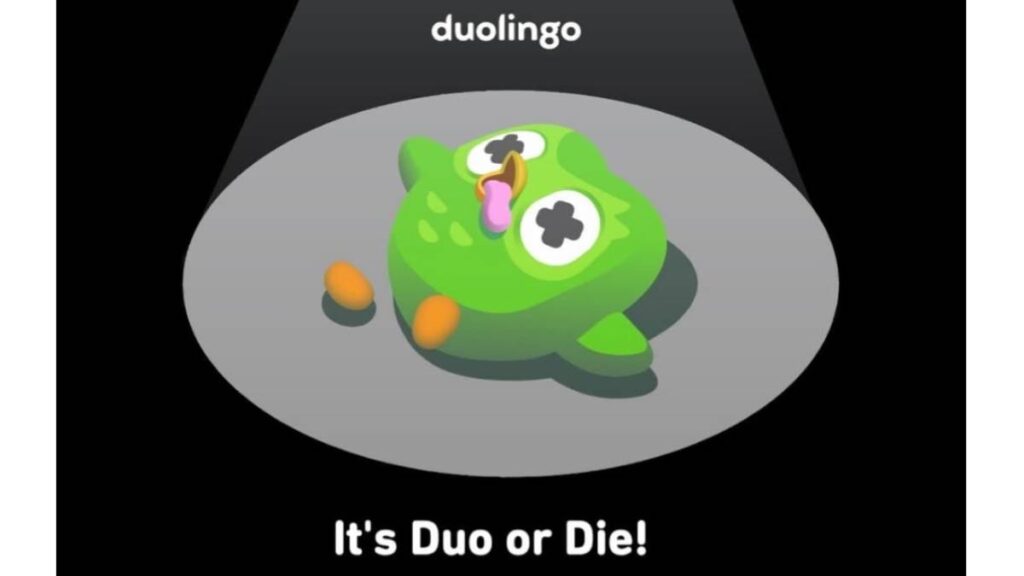
Killing off a brand mascot sounds reckless. That’s exactly why it worked.
Duolingo turned the “death” of its owl into an unfolding social storyline. Posts, reactions, theories, memes; the narrative stretched across platforms and over time. The brand didn’t rush to explain. It let the internet play along.
The mascot stopped being just a logo and started acting like a character in an ongoing show.
Lesson: Treat brand IP like entertainment, not just branding. Stories people can follow beat isolated posts every time.
6. Nike “So Win” Super Bowl Ad – Cultural Momentum Marketing
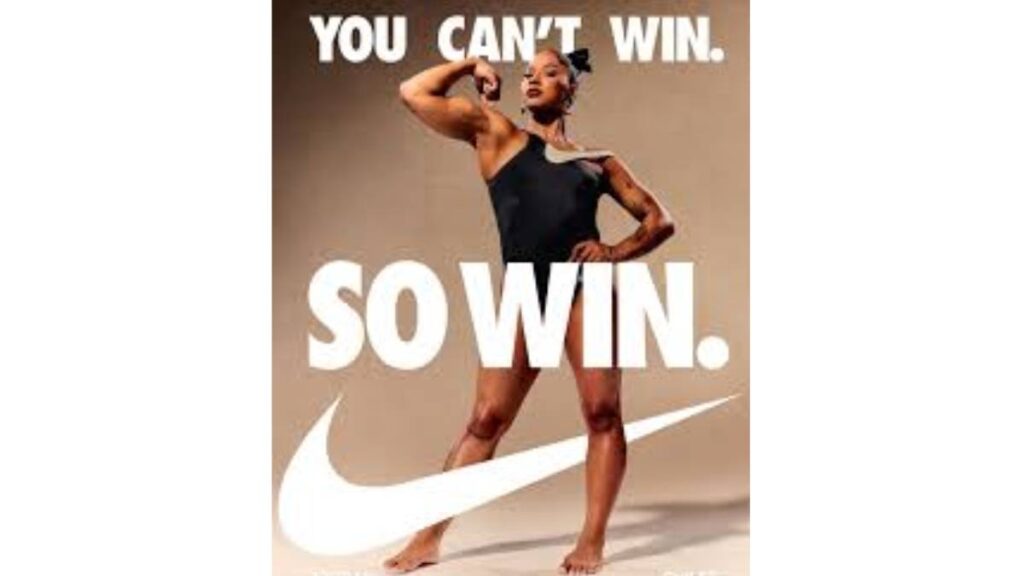
Nike aimed the spotlight firmly on female athletes, tapping into broader conversations about recognition and equity in sports. The film was emotional, cinematic, and clear in its point of view.
It didn’t try to be neutral. It aligned the brand with a cultural movement already building energy. That alignment made the message feel timely rather than opportunistic.
Purpose worked here because it was backed by history and action, not just words.
Lesson: Cultural relevance comes from long-term commitment. When a brand shows up consistently, big moments land harder.
7. Coca-Cola “Share a Coke” Relaunch – Personalization at Scale
The original name-on-bottle idea was already iconic. The relaunch added digital layers: QR codes, social integrations, and more ways to share. It met a new generation of consumers where they already spend time.
Instead of chasing a completely new idea, the brand refreshed a proven one. Smart move. Familiarity helped, and the tech update made it feel current.
Lesson: Not every innovation has to be brand new. Updating a strong legacy idea can be just as powerful as inventing one.
8. Canva “Make the Logo Bigger” OOH – Industry Inside-Joke Marketing
Billboards with a line every designer and marketer has heard from a client: “Make the logo bigger.”
Simple. Funny. Painfully accurate.
By leaning into a shared industry frustration, Canva created an instant connection with its core audience. It felt like the brand was in on the joke, not speaking from a corporate pedestal.
B2B rarely allows itself to be this self-aware. That’s why it stood out.
Lesson: Shared experiences, even the annoying ones, can build strong brand affinity. Humor travels fast when it feels true.
9. Dove “Keep Beauty Real” – Long-Term Brand Purpose Platform
Dove extended its long-running real beauty platform into the conversation around digital image distortion. By reinforcing a stance against unrealistic, manipulated visuals, the brand stayed consistent with the values it has championed for years.
That consistency is what gave the message weight. It didn’t feel like a trend reaction. It felt like the next chapter in an ongoing commitment.
Lesson: Purpose compounds over time. Repetition of values builds equity that short-term campaigns can’t buy.
10. Liquid Death x Ozzy Osbourne – Shock Marketing That Fits the Brand
Liquid Death has always leaned into over-the-top, heavy-metal energy. Partnering with Ozzy Osbourne for a dramatic, slightly absurd stunt felt perfectly on-brand.
It was outrageous, yes, but not random. The tone matched everything the brand had built before. Fans expected weird. The campaign delivered weird in a bigger, more theatrical way.
Shock without brand fit feels desperate. Shock with brand fit feels entertaining.
Lesson: Pushing boundaries works when it’s consistent with brand personality. The more extreme the idea, the more important that alignment becomes.
Different industries. Different budgets. Different formats. The common thread is clarity of idea and confidence in execution. These campaigns didn’t just aim for visibility. They aimed for participation, conversation, and memory; the things that actually move brands forward.

Enroll Now: Advanced Digital Marketing Course
Key Trends Behind Today’s Most Innovative Marketing Campaigns
Step back and look at the campaigns people are actually talking about, saving, and sending to group chats. Different industries, sure. Different budgets. But the same underlying shifts keep showing up.
AI-powered creativity in advertising
AI has moved from being a behind-the-scenes efficiency tool to something shaping the creative process itself. Not in a loud, gimmicky way. That phase passed quickly. Now it’s more practical.
What’s working tends to look like this:
- Content that adapts to different audiences without feeling mass-produced
- Tools or formats that let people generate their own versions of the idea
- Faster creative turnarounds that let brands react while the moment is still warm
The tech isn’t the headline. The experience is. If people don’t feel a difference, they don’t care how it was made.
Experiential + real-world stunts designed for social media
Experiential marketing came back with a new rule: if it can’t be shared easily, it’s half wasted.
Pop-ups, installations, street stunts; the strong ones are built for cameras as much as for foot traffic. Clear visuals. Quick payoff. Something that makes a passerby pull out a phone without overthinking it.
The physical space becomes a content studio. The real reach happens later, online, in pieces of video that feel spontaneous even when they’re carefully planned.
Purpose-driven and values-led branding
Purpose has grown up a bit. Audiences have seen enough surface-level statements to be skeptical by default.
Campaigns that land usually have:
- A cause or issue that actually connects to the brand’s world
- Visible action behind the messaging: product changes, partnerships, policies
- Consistency over time, not just a one-off burst during a cultural moment
When purpose is real, people lean in. When it feels borrowed, they scroll past… or worse, call it out.
Community participation and user-generated storytelling
Brands used to control the story from start to finish. Now the smarter move is to leave space.
Many innovative campaigns begin with a strong central idea, then hand part of it over to the audience. Prompts. Challenges. Formats people can copy, remix, or respond to. The brand sets the stage, the community fills it in.
It’s messier than fully scripted campaigns. Also, more alive. And often more effective.
Nostalgia marketing with a modern twist
Nostalgia still hits, especially in crowded, fast-moving feeds. Familiarity cuts through.
But straight throwbacks can feel lazy. What works better is the remix; bringing back an old character, tagline, or format, then translating it into how people behave now. Through creators. Through short-form video. Through interactive layers.
The memory draws attention. The update keeps it from feeling stuck in the past.
How to Create Your Own Innovative Marketing Campaign (Step-by-Step Framework)
Innovation sounds big and abstract. In reality, it usually comes down to a series of grounded decisions made well.
Step 1 – Define campaign goals and KPIs
Before chasing a “big idea,” get clear on the job.
Is this about awareness? Repositioning? Driving trials? Building affinity with a new segment? Each goal points creative thinking in a different direction. Without that clarity, campaigns drift. And drifting work rarely feels innovative.
Step 2 – Find a cultural or emotional insight
This part takes more listening than talking.
Look for things people already feel but don’t see brands acknowledging. Small frustrations. Shifts in habits. Emotional tensions are tied to the category. The kind of truth that makes someone pause and think, “Finally, someone said it.”
If the insight sounds like marketing language, it’s probably not the right one yet.
Step 3 – Build a strong central creative idea
The idea should be tight. Clear enough to explain quickly. Flexible enough to live across formats.
A good gut check: if the idea were described in plain words, without visuals or production polish, would it still sound interesting? If not, it might be relying too much on execution and not enough on thinking.
Strong campaigns often come from surprisingly simple ideas, pushed all the way.
Step 4 – Choose innovative formats
Formats are tools, not the idea itself.
Depending on what you’re trying to express, that might mean:
- Interactive or playable experiences
- AR or immersive layers
- Social-first storytelling designed for feeds, not TV edits
- Unexpected uses of physical space
New formats help when they deepen engagement or make participation easier. Otherwise, they just add noise.
Step 5 – Design for participation and shareability
The question to keep asking: what can people do with this?
Can they personalize something? Add their own take? Compete, respond, remix? Campaigns built for participation tend to travel further because people feel part of them, not just targeted by them.
When audiences start adding their own versions, the campaign stops feeling like an ad and starts feeling like a moment.
Step 6 – Amplify with influencers, creators, and paid media
Even the most original idea needs distribution behind it.
Creators help interpret the campaign in voices that feel native to different communities. Influencers bring trust and context. Paid media makes sure the idea doesn’t stay trapped with the brand’s existing audience.
The trick is flexibility. Let creators shape the idea to fit their style instead of forcing everything into one rigid format.
Step 7 – Track performance and optimize in real time
Innovative campaigns rarely unfold exactly as planned. That’s normal.
Watch what people respond to. Which pieces get saved, shared, stitched, and commented on? Sometimes the audience highlights the strongest angle before the brand does. Smart teams notice those signals and lean into them while the campaign is still live.
Optimization isn’t just about media spend. It’s about creative direction, too.
Common Mistakes Brands Make When Trying to Be “Innovative”
Pushing for innovation without discipline can lead to work that’s loud but forgettable. A few traps show up again and again.
Innovation without strategy
A flashy stunt might grab attention, but if it isn’t clearly tied to brand positioning or a business objective, the effect fades fast. People remember the spectacle, not who created it.
Innovation should sharpen the strategy, not distract from it.
Shock value that doesn’t fit the brand
Edgy ideas get noticed, but if they clash with how the brand is already perceived, the reaction turns into confusion instead of excitement.
The bolder the move, the more important brand fit becomes. Without that link, shock just feels like noise.
Overcomplicating the message
Trying to stack multiple big ideas into one campaign usually weakens everything. Audiences don’t have the patience to untangle complex narratives in a feed environment.
The most effective innovative campaigns tend to revolve around one sharp thought, expressed in different ways.
Ignoring audience behavior and platform culture
An idea can look great in a strategy document and still flop in real life. Every platform has its own pace, tone, and unwritten rules.
Campaigns that respect those dynamics feel native and move naturally through feeds. The ones that ignore them feel like ads interrupting the flow.
Innovation isn’t just about doing something new. It’s about doing something new that fits how people already scroll, watch, joke, and share.
Conclusion:
Strip away the hype and shiny case studies, and a simple truth shows up. Innovation in marketing isn’t about doing the loudest thing in the room. It’s about doing the right unexpected thing; the kind that actually fits the brand and the moment.
Innovation = Creativity + Relevance + Execution
Big ideas get attention, sure. But attention alone doesn’t carry a campaign very far.
What works is the combination:
- A creative idea that feels fresh
- A message rooted in something people genuinely care about
- Solid execution that doesn’t fall apart once it leaves the pitch deck
Miss one of these and the campaign either blends into the background… or becomes memorable for the wrong reasons.
The Best Campaigns Feel Like Culture, Not Ads
The campaigns people remember rarely feel like traditional advertising. They feel like part of what’s already happening; a conversation, a shift in mindset, a cultural moment that’s building anyway.
Brands that understand this don’t try to hijack attention. They slip into the flow naturally. Sometimes with humor. Sometimes with emotion. Sometimes, with a bit of tension, that makes people lean in. That’s when sharing happens without begging for it.
Participation Beats Interruption
Here’s the shift many brands still underestimate: people don’t just want to watch anymore. They want to do something.
Campaigns built for participation, creating, voting, remixing, reacting, and showing up in real life tend to travel further. Not because of bigger budgets, but because the audience becomes part of the story. And once that happens, the brand stops being a broadcaster and starts being an experience.
That’s the real lesson. Innovative marketing doesn’t just talk at people. It gives them a role in what happens next.
FAQs:
1. What exactly counts as an innovative marketing campaign?
It’s basically anything that breaks the usual pattern. Not just another TV spot or sponsored post. Something that makes people pause, talk, maybe even share because it’s unexpected but still makes sense for the brand.
2. How is that different from a traditional campaign?
Traditional stuff plays it safe. Ads people skim, maybe remember the logo. Innovative campaigns? They take risks; new formats, interactive bits, cultural hooks. They try to feel alive, not just “here’s another ad.”
3. Why does it even matter now?
Because attention is a scarce thing. People scroll fast; they ignore safe stuff. If your campaign doesn’t stand out or feel relevant, it’s basically invisible. Bold ideas get remembered. That’s the difference.
4. What makes a campaign shareable or participatory?
If people can join in, remix it, vote, comment, do something with it, that’s when it spreads. Think challenges, games, real-world stunts, or even something funny that begs to be shared. People amplify what they feel part of.
5. Can small brands pull this off, or is it just for the Nikes and Cocas?
Small brands? Totally. Budget isn’t the point; resonance is. A small, smart idea that clicks with your niche can spread like wildfire. Humor, clever storytelling, or a stunt that actually fits your audience; those are your tools.
6. Does innovation always mean digital or social media?
Not at all. Sure, social helps spread it. But physical experiences, OOH stunts, interactive pop-ups; they hit people differently. Sometimes, in-person memory sticks more than a scroll.
7. How do you stay on-brand when trying to be bold?
That’s the tricky part. You can’t just shock for shock’s sake. The idea has to feel like your brand. Extreme creativity only works when it matches who you are. Otherwise, it’s just weird and confusing.
8. What mistakes do brands keep making?
Lots. Chasing trends instead of real insights. Overcomplicating the message. Trying shock tactics that don’t fit. And ignoring how audiences actually behave online, people notice, and not in a good way.
9. How do innovative campaigns actually help the brand long-term?
When done right, they stick. People remember, share, and talk about you. They make your brand part of culture, not just a billboard they walk past. Consistency matters too; values + execution = long-term impact.
10. Where’s a brand supposed to start?
Start with the goal. Know your audience. Find a cultural or emotional hook. Then build the idea around that. Pick a format people can engage with, and think about amplification. Execution is where it either works or flops.