
Table of Contents
Introduction
Marketing never really sits still. One day it’s social trends, the next it’s tech, algorithms, or some new shiny tool. Yet, through all the noise, some things stay the same, people want value, stories that make sense, and messages that actually connect.
Books are great for this. They slow things down. They force you to think about why something works, not just how to do it. Some books are classics, laying out the rules that still guide campaigns today. Others are newer, showing how to navigate the messier, digital-first world we’re in now.
Whether you’re running a small brand, managing big campaigns, or trying to scale something from scratch, these books give perspective. They offer frameworks you can tweak. They inspire ideas you won’t get from a blog or a quick social post.
And yes, some of them will make you question how you’ve been doing things. That’s a good thing.
Why Read Marketing Books
Reading a marketing book isn’t about memorizing every tactic. It’s about sharpening instincts, spotting patterns, and seeing what actually moves people. Here’s why it matters:
- You get timeless lessons. Tech changes, but people don’t. The way someone reacts to a message today is surprisingly similar to 50 years ago.
- Learn without failing first. You get insights from marketers who’ve been through the messy parts. Saves time, and sometimes money.
- Better decisions. Marketing is full of choices. Books show which ones matter most and why.
- Spark new ideas. Sometimes a framework from decades ago suddenly fits a modern problem. Inspiration hides in unexpected places.
- Connect strategy to action. It’s easy to think big. Harder to make it work on the ground. Good books bridge that gap.
- Build a toolbox over time. Every book adds a piece. Eventually, you have a personalized playbook that actually works for your brand and audience.
- Stay ahead, quietly. While everyone chases trends, understanding fundamentals gives an edge. Makes all the flashy stuff easier to use wisely.
Short breaks, notes in margins, letting an idea simmer, that’s how real learning happens. Reading fast isn’t the goal. Understanding is.
Also Read: Best Data Analytics Books
Top 16 Marketing Books of All Time
1. Influence: The Psychology of Persuasion – Robert Cialdini

Cialdini is the master of persuasion. This book is packed with examples, studies, and stories showing why people say “yes.” It’s not manipulative, it’s practical. Scarcity, reciprocity, authority… all these principles are tools we can use to craft better campaigns.
What to take away:
- Reciprocity: People feel compelled to give back. Free value works.
- Scarcity: Limited offers create urgency. But it must feel real.
- Social Proof: Show that others are doing it, people follow the crowd.
- Authority: Experts and credible figures influence decisions more.
- Consistency & Commitment: Once someone acts small, they’re likely to act bigger later.
- Apply these in emails, landing pages, social campaigns, even product launches.
- Watch how modern ads subtly embed these principles every day.
2. Neuromarketing: Understanding the Buy Buttons in Your Customer’s Brain – Patrick Renvoisé & Christophe Morin
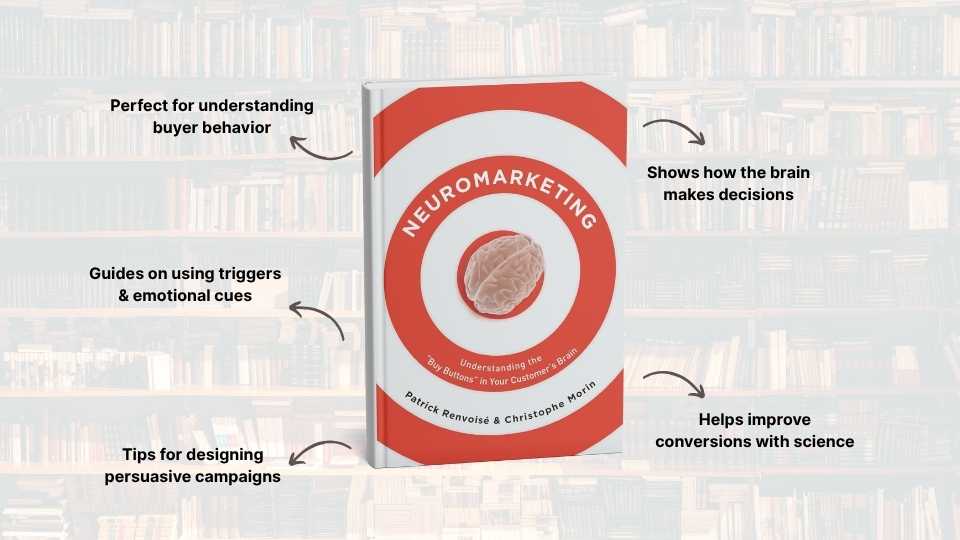
This one is fascinating if you like the science behind decisions. It’s about how the brain reacts to stimuli and what triggers a “buy” response. Anchoring, sensory triggers, and narrative memory aren’t just fancy terms, they’re tools marketers can apply to content, UX, and ads.
What to take away:
- Anchoring: The first number or offer someone sees affects all future decisions.
- Sensory Triggers: Colors, images, and sounds influence perception subconsciously.
- Emotional Memory: Stories stick better than facts. Ads that trigger emotion convert more.
- Decision Simplification: The brain hates too many choices. Clear paths increase action.
- Perfect for designing landing pages, product pages, and ads that stick.
- Makes sense of why certain campaigns “feel right” even if people can’t articulate why.
3. Hooked: How to Build Habit-Forming Products – Nir Eyal
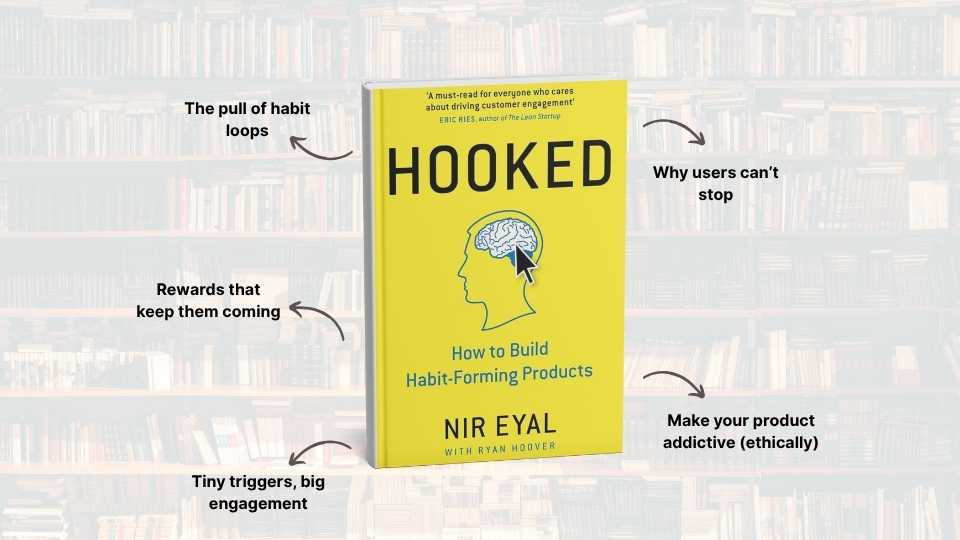
This book is about habits. Not addictive in a bad way, but how people repeatedly engage with apps, content, or products. The Hook Model, Trigger, Action, Variable Reward, Investment, shows how to design experiences that keep people coming back without feeling pushy.
What to take away:
- Triggers: External (notifications) and internal (emotions) prompt action.
- Action: Make the desired behavior simple and easy.
- Variable Reward: Unpredictable rewards increase engagement. Don’t overdo it.
- Investment: When users put something in, they value it more.
- Can be applied beyond apps, email sequences, social campaigns, and content loops.
- Ethical design matters. The goal is engagement, not manipulation.
4. Breakthrough Advertising – Eugene Schwartz
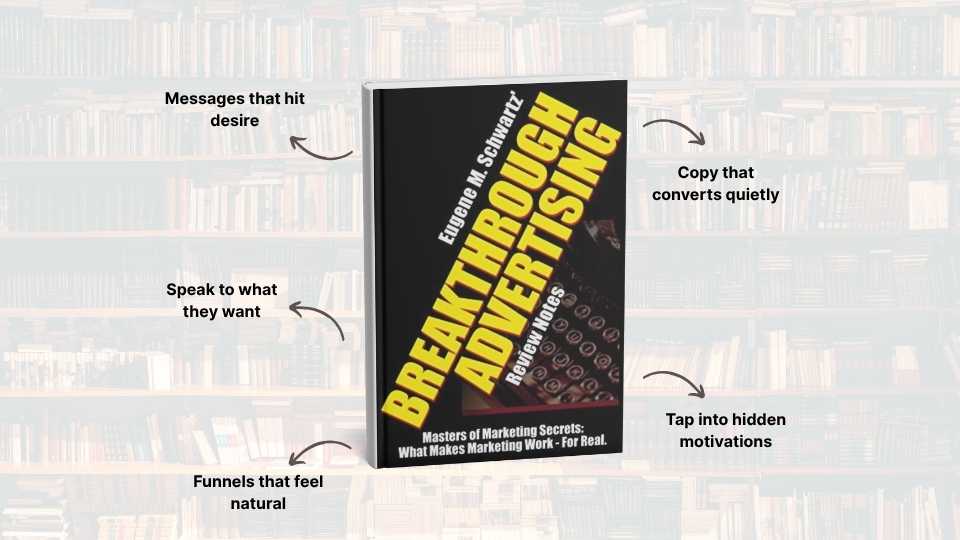
Schwartz’s book is dense but powerful. It’s about understanding where the customer is mentally and shaping messaging to meet them there. Most marketers focus on features or flashy campaigns. Schwartz goes deeper, into desire, awareness, and the psychology of why people buy. Reading this changes how we think about funnels, landing pages, and even ad copy.
What to take away:
- Map the customer’s awareness before crafting messages.
- Speak to real desires, not product specs.
- Tailor offers and copy to match the prospect’s mindset.
- Focus on the market, not just the product.
- Helps you plan funnels that naturally lead to conversion.
5. Scientific Advertising – Claude Hopkins
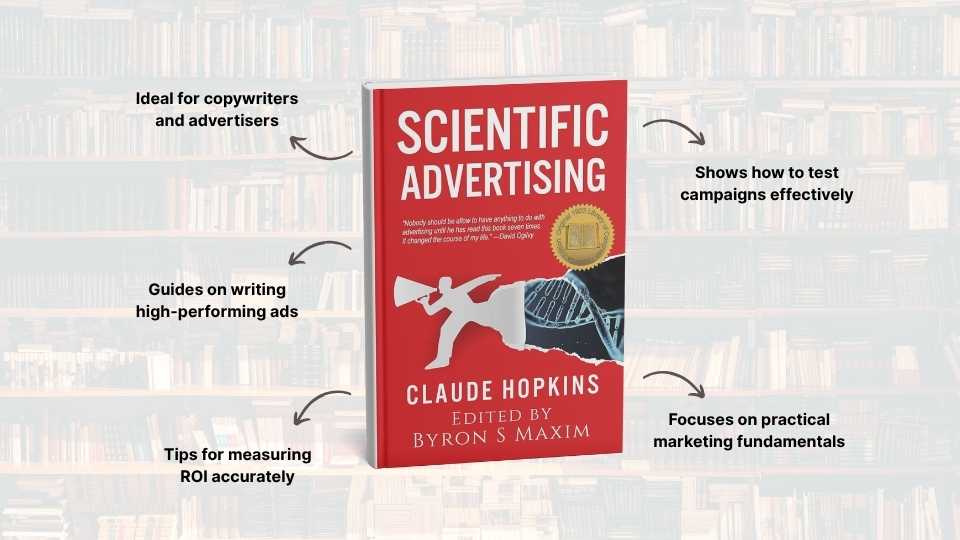
Hopkins doesn’t waste words, but he doesn’t need to. This book is all about marketing that actually works. Every ad, headline, and offer should be tested, measured, and refined. If it doesn’t perform, it’s back to the drawing board. The principles might seem obvious now, but that’s only because they’ve stood the test of time.
What to take away:
- Test every element, ads, copy, emails, even colors.
- Measure everything. Guessing is expensive.
- Copywriting is a skill, not magic.
- Focus on customer response, not personal preference.
- A solid reference for creating campaigns that actually convert.
Apply Now: Advanced Digital Marketing Course
6. The 22 Immutable Laws of Marketing – Al Ries & Jack Trout
Ries and Trout are blunt, but that’s the point. Their “laws” are simple, yet most brands ignore them at their own risk. They cover positioning, differentiation, and consistency, the basics that make brands stick. These rules work in traditional marketing and translate surprisingly well to digital campaigns, too.
What to take away:
- Being first in a category matters. Timing counts.
- Stick to one main idea per brand. Don’t try to be everything.
- Repeat your messaging. Consistency builds recognition.
- Positioning guides smarter tactical choices.
- Useful any time campaigns are launched or brand strategy is evaluated.
7. Epic Content Marketing – Joe Pulizzi
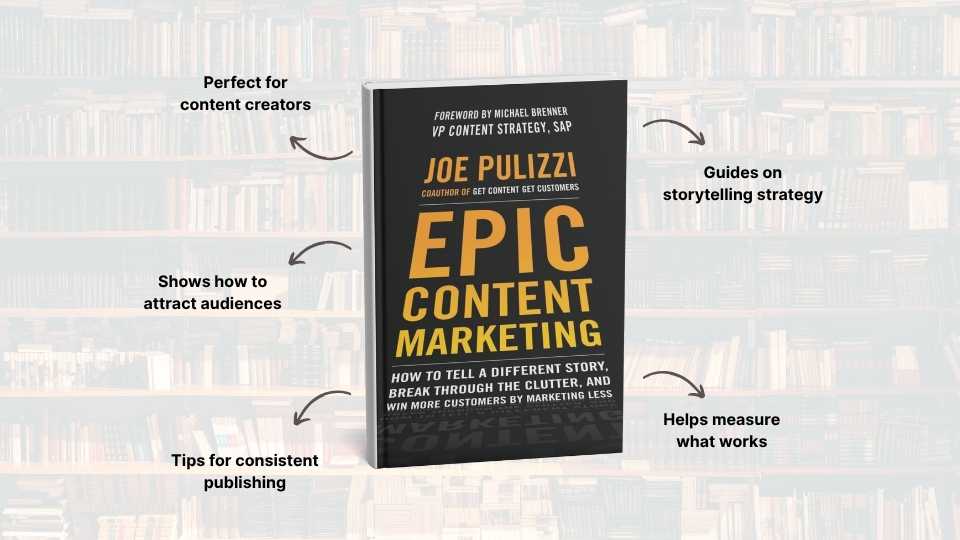
Pulizzi flips the usual approach to content. Instead of focusing on the brand, he focuses on the audience. The idea is simple: create content that your audience actually wants, not just what you want to say. The book is full of practical tips on planning, distributing, and measuring content, making it useful whether you’re building a small blog or a large content machine.
What to take away:
- Put the audience first, brand second.
- Build trust over time with consistent content.
- Use storytelling to make messages memorable.
- Measure engagement, not just traffic.
- Helps shape content calendars that actually convert.
8. Building a StoryBrand – Donald Miller
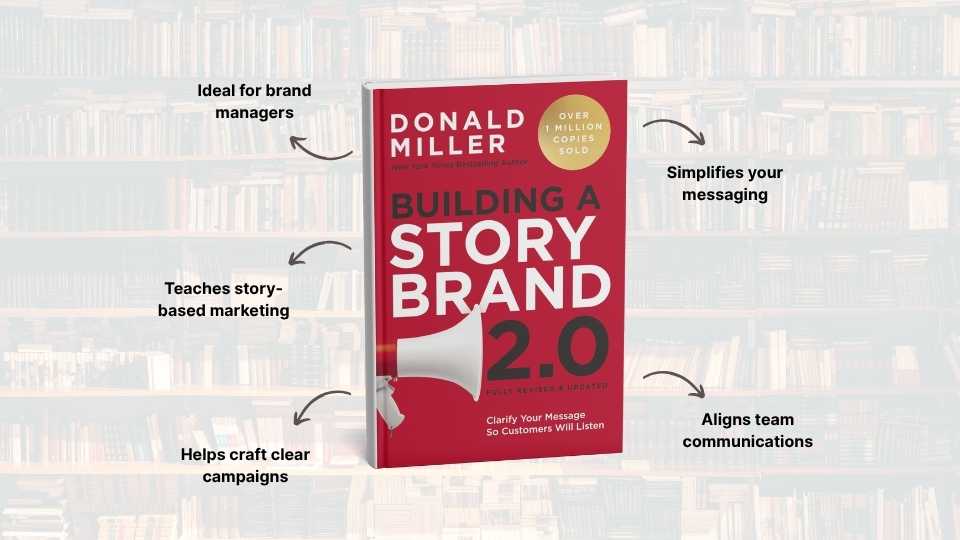
Miller’s book is all about clarity. He argues that if your audience can’t understand your message quickly, you lose them. The seven-part storytelling framework gives brands a simple way to position themselves as guides rather than the heroes of the story. It’s straightforward, but extremely effective in cutting through the noise.
What to take away:
- Your customer is the hero; your brand is the guide.
- Clear messaging beats clever messaging every time.
- Use story structure to craft marketing materials, websites, and campaigns.
- Remove unnecessary complexity in your messaging.
- Helps align teams around a single narrative.
9. This Is Marketing – Seth Godin
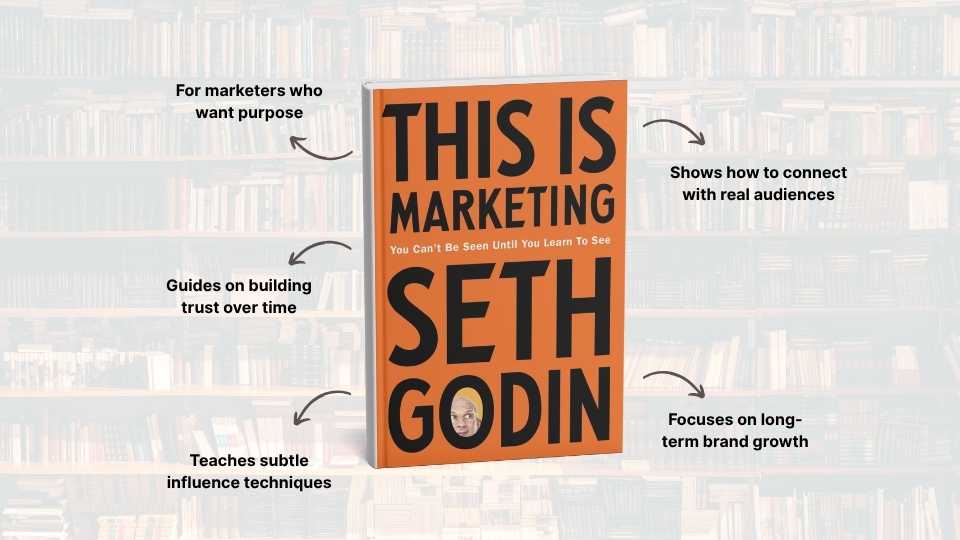
Godin’s book is about empathy, service, and culture. Marketing isn’t just selling. It’s about connecting with people who actually care about what you do. “People like us do things like this” is the idea, positioning your brand as part of a cultural movement, not just a product.
What to take away:
- Focus on a small, specific audience who cares.
- Marketing is about service, not interruption.
- Build trust and reputation over time.
- Position your brand culturally, not just commercially.
- Guides long-term thinking over short-term hacks.
10. Upstream Marketing – Tim Koelzer & Kristin Kurth
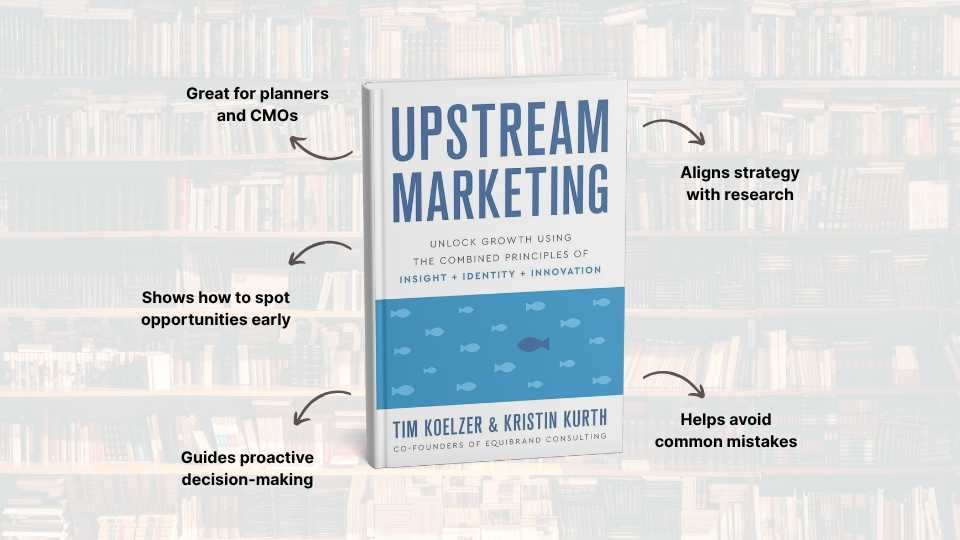
This book is about thinking ahead and finding opportunities before competitors even see them. Koelzer and Kurth show how to align strategy with market insights and customer needs, so businesses can move proactively rather than reactively. It’s full of practical guidance for spotting trends, shaping offerings, and guiding decisions strategically.
What to take away:
- Anticipate market shifts before competitors do.
- Align strategy closely with customer insights.
- Make proactive decisions, not reactive moves.
- Spot opportunities that others overlook.
- Ideal for marketers, strategists, and business leaders.
Also Read: 14 Digital Marketing Books
11. Blue Ocean Strategy – W. Chan Kim & Renée Mauborgne
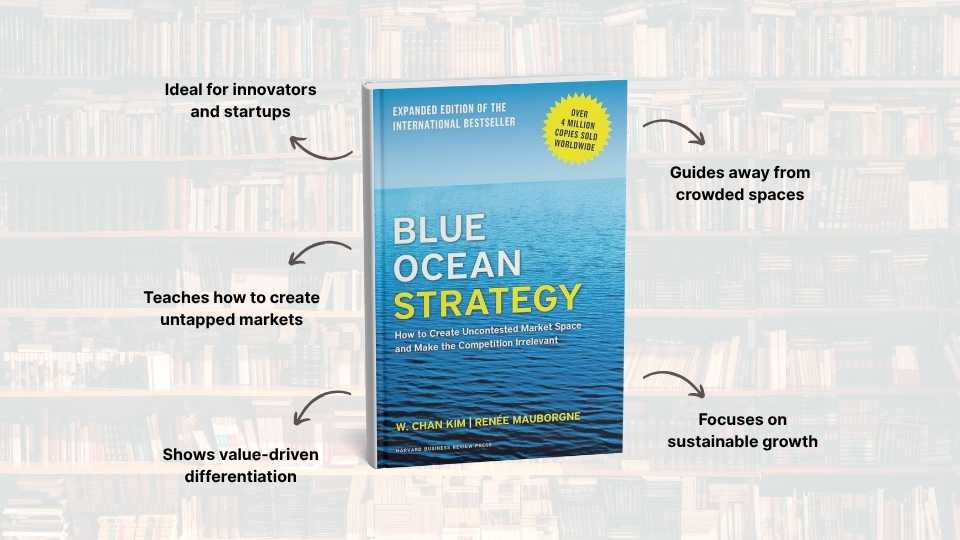
Instead of fighting in crowded markets, this book shows how to create spaces where competition doesn’t exist, the so-called “blue oceans.” It’s not about beating rivals on features or price. It’s about innovating and delivering unique value that makes competitors irrelevant. Ideal for brands looking to stand out and grow sustainably.
What to take away:
- Focus on markets where competition doesn’t exist.
- Value innovation > beating competitors on price/features.
- Frameworks help spot untapped opportunities.
- Useful for startups and scaling brands alike.
- Encourages long-term differentiation, not short-term wins.
12. Zero to Scale – Arindam Paul
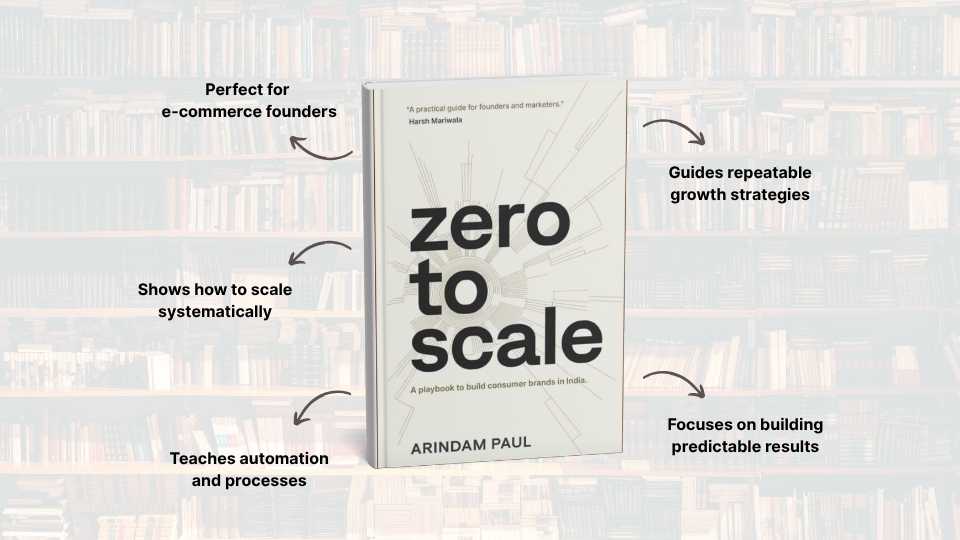
This book is all about building brands that grow in India’s real market. Paul breaks down the journey from an idea to a scaled business, covering product, distribution, customer acquisition, and brand building. It’s practical, structured, and full of insights from his own experience with Atomberg. Definitely a guide you’ll revisit when planning growth.
What to take away:
- Focus on building systems that allow steady brand growth.
- Master product, marketing, and distribution simultaneously.
- Learn from real-world case studies of Indian brands.
- Scale without losing control over quality or customer experience.
- Perfect for entrepreneurs and marketers aiming to expand effectively.
13. Crushing It! – Gary Vaynerchuk
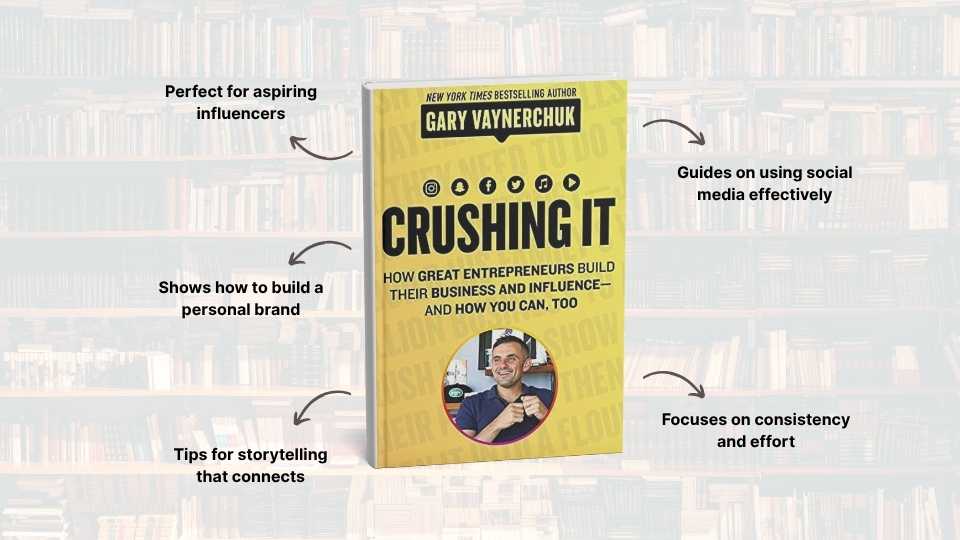
Gary Vee keeps it real. Crushing It! isn’t just about success, it’s about the work behind it. He breaks down how creators and entrepreneurs built real influence through social media, storytelling, and consistency. It’s energetic, full of examples, and pushes you to focus on what actually builds trust online, showing up, giving value, and doing it every day.
What to take away:
- Build your personal brand with purpose, not hype.
- Use each social platform differently, play to its strengths.
- Give more than you ask. Value attracts attention.
- Consistency matters more than perfection.
- Influence grows from authenticity and effort.
14. DotCom Secrets – Russell Brunson
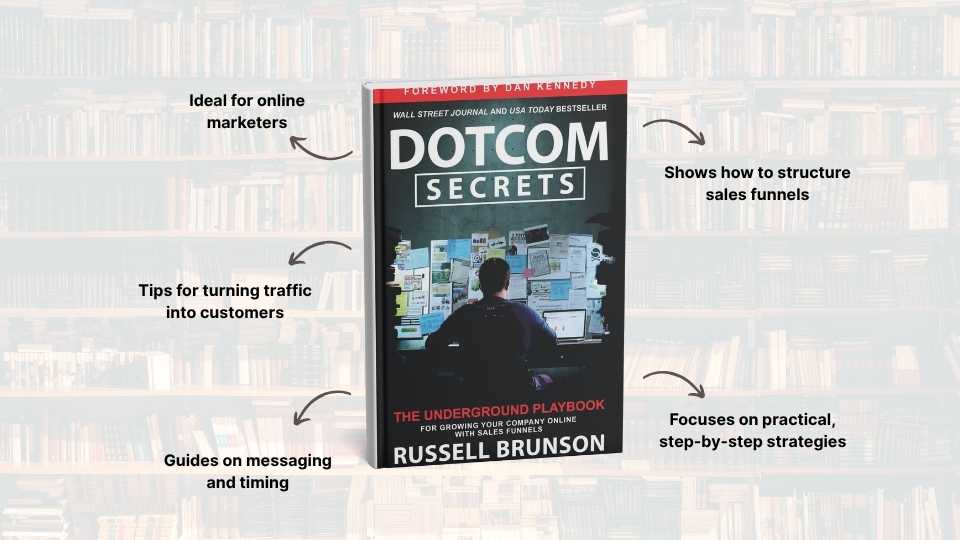
Brunson’s book is about the flow of online selling. It’s not just pages and clicks, it’s how people move from curiosity to trust to buying. He explains how stories, offers, and timing fit together inside a funnel. The focus stays on psychology, not tools. It’s practical, direct, and built for marketers who want results.
What to take away:
- Funnels work best when built around human behavior.
- Each stage needs its own story and offer.
- Message, timing, and trust drive conversions.
- Use simple frameworks, not fancy tricks.
- Great for anyone trying to make online sales predictable.
15. The 1-Page Marketing Plan – Allan Dib
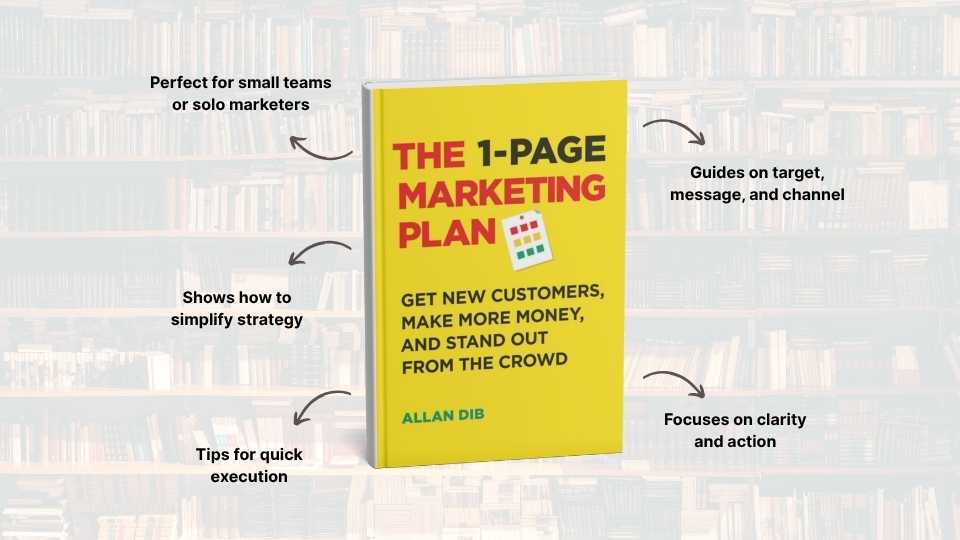
Dib’s book strips marketing down to what matters. One page, nine steps, full clarity. It’s made for people who get lost in endless strategy decks. The idea is to write everything that moves your business, target, message, channel, process, on a single page and act on it fast. Simple, but sharp.
What to take away:
- Simplicity creates focus.
- Know your audience before you talk to them.
- Stick to one clear plan, not ten changing ideas.
- Works best for small teams or solo marketers.
- Helps turn confusion into action.
16. Audacious – Mark Schaefer
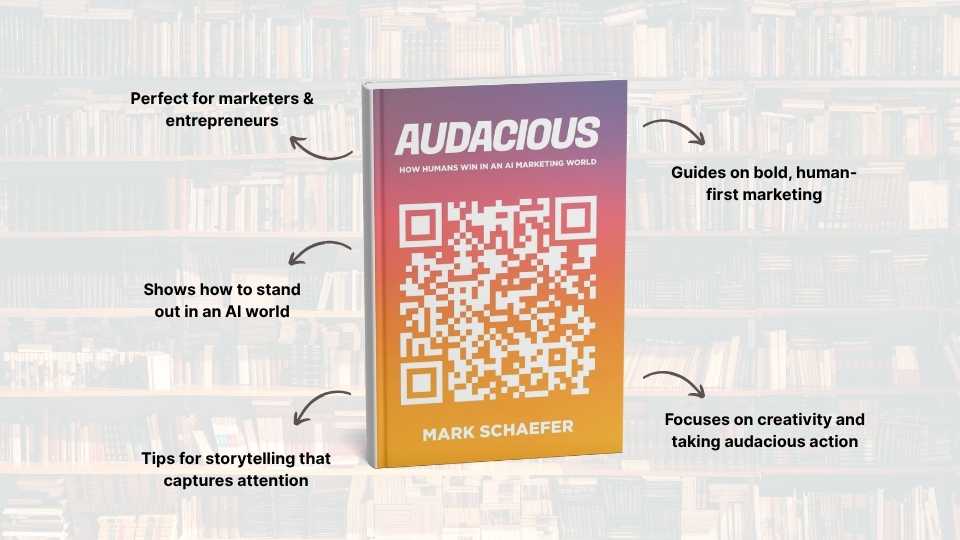
This one is all about being bold in a world full of AI and automation. Schaefer shows how marketers and entrepreneurs can bring creativity, humanity, and audacity back into their campaigns. It’s perfect for anyone who wants to stand out, connect with real people, and not just follow trends.
What to take away:
- Put humans before automation, make people the focus.
- Bold storytelling wins attention and builds connection.
- Practical tips to make marketing memorable and distinct.
- Case studies of audacious campaigns that break the mold.
- Guides you to act confidently, even in an AI-driven landscape.
Also Read: 20 Best Copywriting Books
Before we dive into applying these strategies in the AI marketing era, take a peek at our Instagram carousel featuring 10 must-read marketing books. Each slide gives a quick snippet of what makes these books stand out, perfect if you want a fast overview before going deeper here.
Check it out here: 10 Best Marketing Books of All Time
How to Apply These Books in the AI Marketing Era
- Mix and match insights: Don’t just read one book and call it a day. Combine lessons. Hooked plus Influence shows how habits and persuasion work together. Epic Content Marketing reminds us to care about the audience. When we use these together, campaigns feel smarter. People respond better. It works.
- Keep humans first: AI is a tool, not the boss. The frameworks in these books tell us what humans actually care about. Use them to guide messaging, sequences, and flows. Neuromarketing teaches why stories stick. This Is Marketing reminds us to serve, not just sell. AI helps scale it, but the ideas are human.
- Design for engagement: Small habits, triggers, social proof, they all matter. Hooked shows how to create loops that work. Influence explains why people follow the crowd. Use these principles in emails, ads, and landing pages. AI can make it personal, but the behavior part comes from the books.
Also Read: 20 Product Marketing Books
Conclusion
Marketing is changing fast. Tools shift, platforms evolve, but people don’t. Reading top marketing books gives us the fundamentals that last, psychology, storytelling, strategy. These are the things AI can’t replace. Continuous learning becomes our edge. It’s not about knowing every new trend, it’s about knowing how to think, plan, and connect. Start with one book, use its lessons, and then layer in the others. Over time, it builds a framework that works no matter what algorithm changes. Campaigns become smarter, messages hit harder, and decisions feel less like guesswork. In a world full of noise, knowledge is the real advantage. Keep reading. Keep testing. Keep improving.
FAQs: Best Marketing Books
1. Why should we read marketing books in 2025?
Marketing changes fast. Tools, platforms, trends, they come and go. But human behavior doesn’t. Reading marketing books helps us see why people buy, share, and stick around. It’s not theory, it’s practical. Lessons on storytelling, persuasion, and positioning stay useful no matter what. Books give ideas we can actually use.
2. Which marketing book is best for beginners?
For beginners, starting with Scientific Advertising or This Is Marketing works well. They’re clear, simple, and full of practical advice. Not too fancy. We can test things right away and see results. These books lay the foundation, copywriting, measuring campaigns, and understanding audiences, so diving into advanced books later makes a lot more sense.
3. How do these books help in digital marketing?
Even old-school marketing books still apply online. Persuasion, positioning, storytelling, they all matter on websites, social media, and email. Hooked and Influence show why people act. Using those lessons makes campaigns stick. AI and automation can do the heavy lifting, but these frameworks keep the strategy human-first and practical.
4. Can these books improve social media marketing?
Yes. Social media is noisy. Crushing It! and Epic Content Marketing show how to get noticed by actually caring about your audience. Storytelling, consistent value, and habit-forming content beat random posts. Short-term trends fade fast. Focused, audience-first posts build real engagement and followers who stick around.
5. Are these books useful for startups and e-commerce?
Absolutely. Zero to Scale, Blue Ocean Strategy, and Upstream Marketing focus on growth, planning, and finding untapped opportunities. For new brands, this is gold. It’s about doing things smarter, not just faster. Helps avoid mistakes, scale predictably, and stand out in crowded markets.
6. Which book is best for storytelling in marketing?
Building a StoryBrand and Epic Content Marketing are solid picks. They show how to make the customer the hero and the brand the guide. Story structure makes campaigns memorable and clear. Instead of guessing what works, these frameworks give a path we can follow. Makes writing content faster and more effective.