
Media planning rarely falls apart because teams lack effort. It breaks down because there’s too much happening at once; too many channels, numbers, opinions, and last-minute changes. This blog looks at how media planning tools help bring order to that mess. Not as magic solutions, but as practical systems that make decisions clearer and mistakes easier to catch early. It walks through what media planning actually involves today, the different types of tools teams rely on, and how real planners evaluate them in practice. You’ll also find a grounded planning process, common missteps to watch for, and honest guidance on choosing tools that fit how work really gets done.
Table of Contents
Introduction
Why Media Planning Tools Matter
Running campaigns that actually hit their mark is trickier than most people think. Media planning tools aren’t just nice-to-haves; without them, things can get messy fast. Sure, you could throw money at a few channels and hope for the best, but usually that’s a short-lived strategy. Audiences aren’t sitting in one place anymore. They’re scattered across phones, apps, streaming platforms, social feeds… trying to reach them without some kind of plan? That’s guessing, and usually an expensive guess at that.
How Tools Help Make Sense of the Chaos
These tools don’t magically make campaigns work, but they help organize the chaos. They show where money is likely to do something, keep teams on the same page, and sometimes let you spot problems before they get expensive. They’re not a replacement for judgment or strategy; they’re a way to make the strategy you already have actually stick.
What to Expect from This Guide
By the end of this guide, the goal isn’t to hand you a perfect template. It’s to help you see why media planning isn’t just about spreadsheets or dashboards; it’s about knowing what your campaigns are actually doing, and how to fix them when they’re not working.
What Is Media Planning in Digital Marketing?
Media Planning as a Puzzle
Media planning isn’t just picking platforms and throwing up ads. It’s more like juggling a lot of moving parts at once. You need to figure out who your audience is, what grabs their attention, where they hang out, and how often they need to see your message to make an impression. Too much and it feels like spam. Too little and it doesn’t land. Getting that balance wrong can waste a lot of money.
Prioritizing Channels and Timing
Then there’s the budget. Never infinite, always limited. So deciding where to spend and when becomes critical. Social, search, programmatic, email, TV, streaming; they all have different strengths, and timing matters more than you’d think. You can run an ad today, but if the audience isn’t ready, it’s wasted.
Numbers vs. Experience
Numbers help, sure. But good planning also needs judgment. You can see reach and impressions, but they don’t tell you if anyone actually cares. Experience, context, a sense of what resonates; those things matter too. Planning without that is like flying blind.
Why Media Planning Tools Are Essential
Centralizing Information
Some teams still run campaigns using spreadsheets, emails, and a lot of guesswork. It may work for small campaigns, but it leads to stress and missed opportunities. Deadlines slip. Budgets get messy. Things get lost.
That’s where tools help. First, they centralize all the information: budgets, creative assets, timelines. When everything’s scattered, mistakes happen. Centralization catches errors before they become expensive.
Visibility and Real-Time Insights
Then there’s visibility. You can see what’s working and what isn’t almost instantly. A social platform might tank mid-campaign, or a segment that looked promising might not respond at all. If you wait too long, the money’s gone. With some tools, you can adjust on the fly. That’s the difference between throwing money at something and actually being smart about it.
Collaboration Across Teams
And yes, collaboration. Campaigns have many moving parts: planners, buyers, creatives, and account managers. Keeping everyone coordinated without a tool is… messy, to say the least. Shared calendars, approvals, budgets; simple, but it saves a lot of headaches. Not glamorous, but it matters.
Types of Media Planning Tools
Audience Research Tools
Not every media planning tool does the same thing. Some are for understanding your audience, others for measurement, some help automate repetitive work, and some just make life easier. Usually, a mix works best, depending on campaign size and complexity.
Audience research tools go beyond simple demographics. They answer the tough questions: what motivates people, how they spend time, and what patterns show up in their habits. That’s the kind of info that makes channel choices make sense, and messages actually stick.
Analytics and Measurement Platforms
Analytics platforms, on the other hand, track performance across multiple channels and show how they interact. Maybe TV is driving online searches, or email works better when social amplifies it. Without capturing this data, those connections are easy to miss.
Programmatic and Automation Tools
Programmatic or automation tools take care of repetitive work: bidding, buying media, adjusting spend, but they also give some predictive insight. You can simulate outcomes and test scenarios. Still, human judgment is needed. Automation won’t decide strategy for you.
Collaboration and Project Management Tools
Collaboration and project management features keep everyone coordinated. Large campaigns have lots of moving parts: timelines, budgets, and creative approvals. Without a central way to manage them, teams spend more time chasing info than running campaigns.
Attribution and Journey-Mapping Tools
Finally, attribution and journey-mapping tools tie it all together. They show which touchpoints actually drive conversions. Knowing a campaign worked is one thing; understanding why it worked makes it repeatable. That’s the kind of insight most teams can’t afford to ignore.
Top Media Planning Tools to Watch
The media planning tool space is crowded. Anyone who’s shopped for one knows this already. Too many options, too many promises, and very few that actually fit the way a team works day to day. Some tools shine at audience insight. Others are built for measurement or execution. Almost none do everything well.
Most planners end up mixing tools. That’s normal. What matters is knowing what each one genuinely helps with, and where it starts to fall short.
GWI – Audience Insight That Goes Beyond Surface Data
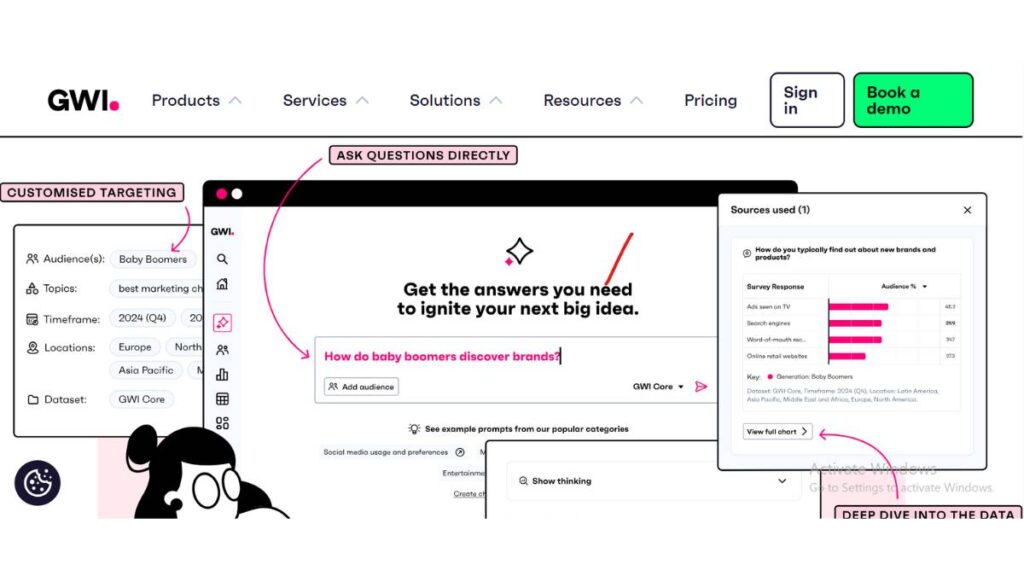
GWI is often where planning starts, especially when the brief is still a bit fuzzy. It digs deep into who the audience is, not just age and income, but behaviors, attitudes, and habits that shape media choices. It’s useful when a channel decision isn’t obvious, and gut instinct isn’t enough.
Nielsen Media Impact – Cross-Platform Reach and Frequency
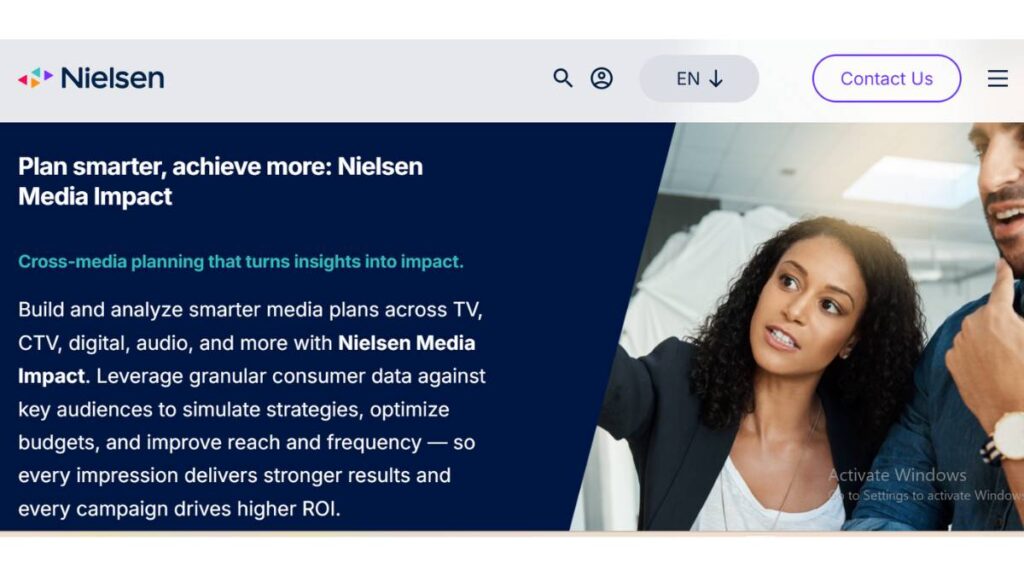
When reach and frequency actually matter (and not just in theory), Nielsen Media Impact earns its place. It shows how TV and digital overlap, where audiences stack, and where money might be getting wasted. This kind of visibility helps avoid overexposure and underdelivery, both common planning problems.
Comscore – Making Sense of Digital Behavior
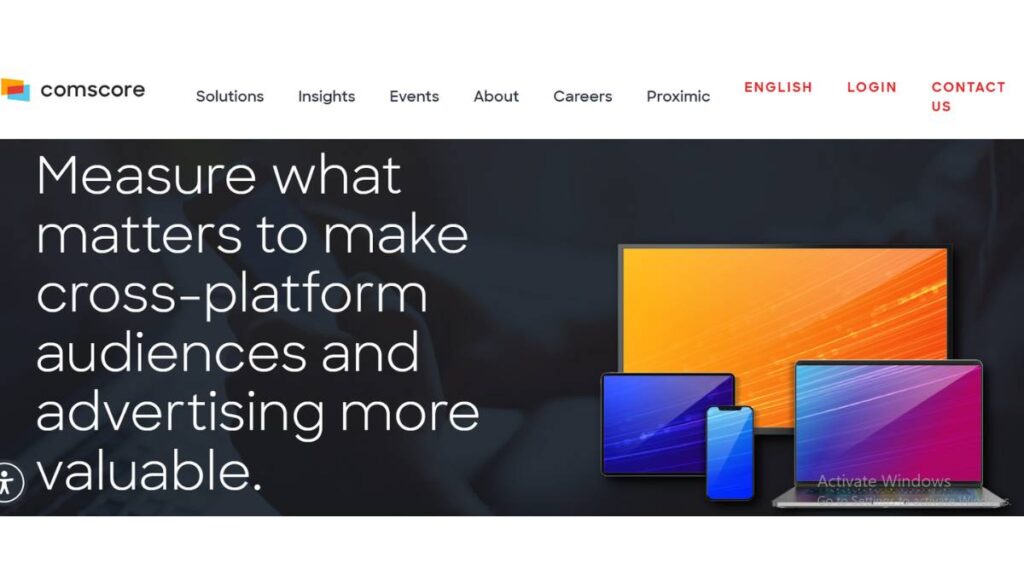
Comscore is strong when digital plays a major role in the plan. It tracks how audiences move across devices, sites, and apps, which helps fine-tune placements. It doesn’t try to be flashy. It focuses on patterns, which is often what planners really need.
Kantar Media Planning Suite – Competitive Context That Actually Helps
Kantar comes into play when understanding the market is just as important as building the plan. Seeing how competitors allocate media, where they spend heavily, and where they pull back can reveal gaps worth testing. It’s especially helpful in crowded categories.
Mediaocean – Operations, Not Just Strategy
Mediaocean isn’t about insight or inspiration. It’s about execution. Buying, budgeting, invoicing, reporting; all the things that quietly eat up time. For agencies or large teams managing multiple campaigns, this kind of operational clarity can be a relief.
Mediatool – Keeping Teams Aligned
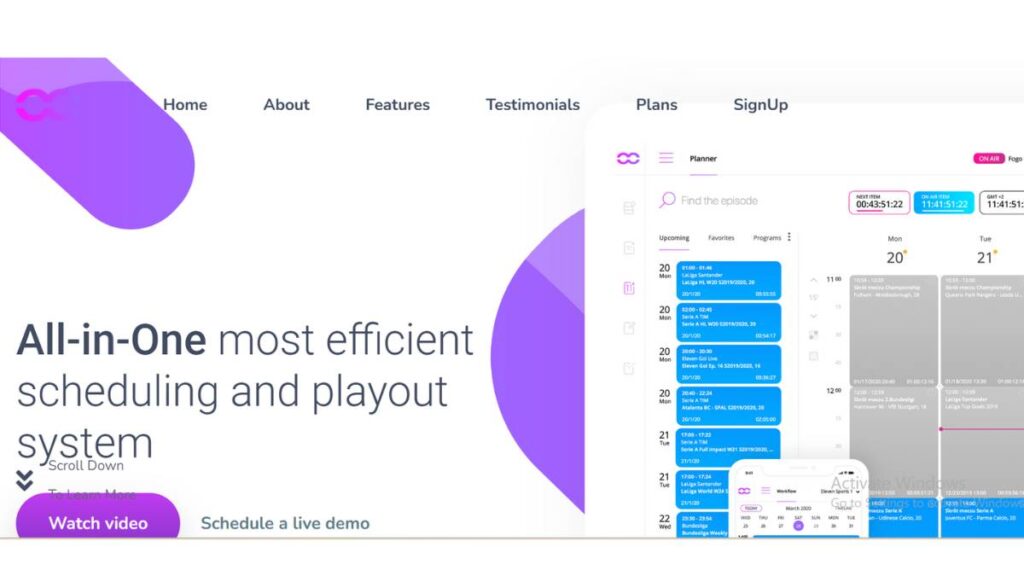
Mediatool works well when collaboration is the real challenge. It centralizes plans, budgets, and approvals, which reduces back-and-forth and spreadsheet chaos. It’s not complex, and that’s the point. It keeps everyone on the same page.
Basis (formerly Centro) – Integrated Programmatic Planning

Basis is built for campaigns that live across search, social, programmatic, and CTV. Having everything planned and measured in one place makes coordination easier, especially when consistency matters. It’s practical for teams juggling multiple platforms at once.
Similarweb – Understanding What’s Working for Others
Similarweb isn’t an execution tool. It’s more of a market lens. It shows traffic patterns, competitor performance, and channel trends. Planners use it to sense where attention is flowing and where opportunities might exist before committing budgets.
Adobe Analytics – Following the Full Customer Journey
Adobe Analytics goes deeper than basic reporting. It connects touchpoints, tracks journeys, and helps predict outcomes. For brands that care about how media fits into a broader customer experience, this level of detail can change how success is defined.
Google Marketing Platform – One Ecosystem, Fewer Gaps
For teams heavily invested in Google channels, this platform keeps things simpler. Planning, activation, tracking, and attribution sit together. It doesn’t solve every problem, but it reduces friction when campaigns run across Search, Display, and YouTube.
Amobee – Real-Time Optimization Across Channels
Amobee is useful when flexibility matters. Campaigns can be adjusted mid-flight, across social and programmatic channels, without starting over. For fast-moving categories, that responsiveness can make a real difference.
Commspoint Influence – Smarter Media Mix Decisions
Commspoint Influence focuses on allocation. By looking at past performance, it suggests how budgets might be redistributed for better impact. It’s practical, especially for teams trying to balance multiple channels without overcomplicating the plan.
Guideline – Making Sense of Media Spend
Guideline leans into spend intelligence. It helps planners understand efficiency, ROI, and where money is working hardest. It’s analytics-heavy, but framed in a way that supports decisions, not just reporting.
No single tool does it all. Most teams don’t need that anyway. The stronger approach is usually a combination; one tool for insight, another for execution, and a third for measurement. The real skill is knowing what problem needs solving first, then choosing tools that make that problem easier to handle, not harder.

Enroll Now: Advanced Digital Marketing Course
How to Evaluate and Choose the Right Media Planning Tools
This is usually where teams overthink things. Too many comparisons, too many demos, too many promises. In reality, picking media planning tools is less about chasing the “most advanced” option and more about finding something that actually fits how the work gets done.
A good starting point is a strategy. Not the deck version; the real one. What are campaigns trying to achieve right now? Scale? Efficiency? Better coordination across channels? Different goals quietly demand different tools. Ignore that, and even the most powerful platform will feel clumsy.
It also helps to be honest about how teams operate day to day.
- Are plans built collaboratively or by one central owner?
- Do approvals move fast or painfully slow?
- Is reporting shared weekly, monthly, or only when something goes wrong?
Tools should reduce friction, not add new habits that never stick.
Integration is another make-or-break factor. Media planning rarely exists on its own. Budgets, performance data, and audience insights usually live across systems. When tools don’t connect well, teams end up exporting spreadsheets, double-checking numbers, and quietly losing confidence in what they’re seeing.
Cost deserves a practical lens, too. The real expense isn’t just licensing. It’s the time spent onboarding, fixing gaps, and adjusting workflows. A simpler tool that gets used consistently often delivers more value than a complex one that only a few people understand.
And finally, look at how decisions actually get made inside the tool. If insights are hard to explain to stakeholders, or results feel vague instead of actionable, adoption drops fast. Tools should clarify thinking, not cloud it.
Step-by-Step Media Planning Process Using Tools
Media planning works best when it follows a rhythm. Not rigid rules, just a clear flow that keeps decisions grounded.
Set Clear Media Objectives
Everything hinges on this step, even though it’s often rushed. Objectives need to be sharp enough to guide choices but realistic enough to adapt. Reach, frequency, efficiency, contribution to business goals; pick what truly matters. When objectives are fuzzy, plans drift. And drift gets expensive.
Conduct Audience and Channel Research
This is where assumptions get challenged. Audiences rarely behave exactly how teams expect. Research helps reveal where attention actually lives, how often messages need to show up, and which channels quietly overperform. It’s less about finding “new” insights and more about confirming what’s worth betting on.
Build a Data-Driven Channel Mix
Once patterns start to appear, channels can be prioritized. This isn’t about equal splits. Some channels earn heavier investment. Others play a supporting role. The goal is balance; enough reach to matter, enough focus to perform. Past results, benchmarks, and market context all shape this mix.
Plan and Allocate Media Budget
Budget planning is where planning becomes real. Forecasting different scenarios helps teams see trade-offs early. Spend more here, lose reach there. Shift timing, change outcomes. Plans that allow flexibility usually perform better than those locked in too tightly.
Execute, Monitor, and Optimize Campaigns
Once campaigns go live, attention shifts from planning to watching. Not obsessively, but consistently. Small signals often show up early. A channel underdelivers. A placement surprises everyone. Adjustments made mid-flight usually outperform perfect plans left untouched.
Post-Campaign Measurement and Attribution
The work doesn’t end when campaigns stop. Reviewing results, honestly, builds smarter plans next time. Not just what worked, but why it worked. Looking at paths, timing, and contribution across channels adds context that raw numbers alone can’t explain.
Common Media Planning Mistakes to Avoid
Some mistakes show up again and again, regardless of team size or experience.
One is trusting bad data too quickly. Incomplete inputs, outdated benchmarks, or mismatched metrics can quietly skew decisions. Clean data may be less exciting, but it’s far more useful.
Another is tool overload. Too many platforms, too little clarity. When systems don’t speak to each other, teams spend more time reconciling numbers than planning better campaigns.
There’s also the strategy gap. Tools get blamed when performance slips, but often the issue is misalignment. If objectives aren’t clear or keep changing, no platform can fix that.
Local nuance is another blind spot. What works well in one market can underperform badly in another. Assuming uniform behavior across regions usually leads to wasted spend.
And finally, there’s the missed follow-through. Insights get collected, dashboards get built, and then… nothing changes. Media planning improves when learning loops stay active. When they don’t, performance plateaus, and no one quite knows why.
Conclusion
At some point, every marketing team hits the same wall. Too many channels. Too many opinions. Not enough clarity. That’s usually when media planning tools start to matter; not as shiny platforms, but as quiet enablers of better decisions.
Used well, they bring discipline into a process that often runs on instinct and urgency. Budgets become easier to defend. Trade-offs become visible. Teams spend less time arguing over whose numbers are right and more time asking better questions. That shift alone can change how campaigns perform over the long run.
The goal isn’t to chase the most advanced setup or overhaul everything in one go. It’s to understand where planning breaks down today and fix that first. One gap at a time. Over time, those fixes add up to something far more valuable than cleaner dashboards: confidence in the plan.
FAQs: About Media Planning Tools
What are the best media planning tools for beginners?
Beginners usually don’t need powerful tools. They need forgiving ones. Something that helps organise budgets, channels, and timelines without demanding constant setup or training. If a tool makes planning clearer after a few days, not weeks, it’s probably a good starting point. Anything overly complex tends to get sidelined pretty quickly.
How do media planning tools improve marketing ROI?
They help cut out waste. Not overnight, but gradually. When plans are built on real patterns instead of assumptions, money stops leaking into low-impact placements. Over time, teams start seeing what actually moves results and what just looks good on paper. That learning alone improves returns.
What features should matter most in media planning software?
Clarity beats complexity. A single view of budgets, channels, schedules, and performance matters more than advanced features most teams never touch. If people can open the tool and understand the plan without explanation, that’s a strong sign it’s doing its job properly.
Are media planning tools only meant for large companies?
No. In fact, smaller teams often feel the benefits faster. When resources are limited, planning mistakes hurt more. The right tool adds structure without adding overhead. It doesn’t need to do everything; just enough to keep decisions organised and spending intentional.
How do media planning tools integrate with other marketing platforms?
Ideally, they sit comfortably alongside analytics, ad platforms, and reporting systems. When integration works, planning feels connected to reality. When it doesn’t, teams end up exporting spreadsheets and second-guessing numbers. That friction builds fast and usually leads to tools being ignored.
Can automation fully replace human media planners?
Not really. Automation helps with speed and consistency, but planning still needs judgment. Context matters. Timing matters. Brand sensitivity matters. Tools can suggest options, but deciding what not to do is still very much a human call.
How much do media planning tools usually cost?
There’s no standard answer. Some tools are accessible, others are clearly built for enterprise teams. The bigger question is value, not price. A cheaper tool that actually gets used often beats an expensive one that sits untouched after onboarding.
How should success be measured when using media planning tools?
Success shows up quietly. Fewer rushed changes. Cleaner handovers. Less confusion around budgets. Performance metrics matter, of course, but smoother execution is often the first sign that planning is finally under control.
What are common mistakes teams make with media planning tools?
Expecting tools to fix an unclear strategy is a big one. Another is stacking too many platforms without clear roles. Tools tend to magnify whatever process already exists, strong or weak. Without alignment, even good tools create more noise than insight.
How do you choose the right media planning tool for a business?
Start with the bottleneck. Is it visibility? Collaboration? Budget control? The right tool should reduce friction in daily work, not add to it. If teams hesitate to use it after the trial phase, that hesitation usually says everything.