
Podcasts aren’t short anymore. Forty minutes feels brief. An hour and a half? Pretty standard. Good conversations, sure. But keeping up with all of it is another story. That’s exactly why a Podcast Summarizer has become more practical than people first assume.
This guide breaks down how summarizers actually work behind the scenes, from transcription to identifying real takeaways, not just trimming sentences. It also clears up the common confusion between transcripts and summaries (they solve very different problems). There’s a closer look at top tools, what features matter, and where free versions fall short. More importantly, it explores how summaries can fuel blogs, SEO pages, study notes, and internal docs. Done right, a Podcast Summarizer isn’t a shortcut. It’s a smarter filter.
Table of Contents
Introduction
Podcasts are everywhere now. Business, marketing, tech, psychology, finance; there’s a show for every niche, and most of them run long. Forty-five minutes feels short these days. Ninety minutes is normal. Some go well past two hours.
The issue isn’t a lack of good content. It’s time.
There’s only so much listening anyone can realistically do in a week. Even the most committed podcast fans end up with a backlog they’ll never clear. That’s usually the moment people start looking for a podcast summarizer.
Not because they don’t value the content. But they need a faster way to extract it.
A solid podcast summary gives the essence of an episode without the drift. It highlights the arguments, the insights, the frameworks. It trims the small talk. And in many cases, that’s enough to decide whether the full episode deserves attention.
Used properly, a podcast summarizer isn’t just a convenience tool. It becomes part of a content system; something that helps capture knowledge, repurpose insights, and stay ahead without drowning in audio.
What Is a Podcast Summarizer?
At its simplest, a podcast summarizer takes a full episode and condenses it into something readable and structured.
Instead of sitting through an hour of conversation, users get:
- Core takeaways
- Main discussion points
- Notable quotes
- Action steps or frameworks
- Sometimes, timestamps for key moments
That alone saves time. But the real value goes deeper.
Conversations are messy by nature. Hosts interrupt. Guests circle back. Stories run long. Important ideas are sometimes buried inside casual remarks. A good podcast summary pulls those ideas forward and organizes them.
That organization is what makes it useful.
For busy professionals, it means scanning five summaries instead of listening to five episodes. For students, it means revisiting key ideas before exams. For marketers, it means turning a single podcast into multiple pieces of written content.
And yes, some people still prefer listening start to finish. That won’t change. But many don’t need the entire journey; just the insight.
That’s where podcast summarization becomes practical, not optional.
Why Use an AI Podcast Summarizer
The podcast ecosystem isn’t slowing down. If anything, it’s accelerating. More creators. More niche shows. More long-form interviews.
Trying to keep up manually? Unrealistic.
Here’s why more teams and individuals are relying on podcast summarizers now:
1. Productivity Gains
- A 60-minute episode can be reviewed in under 10 minutes.
- Multiple podcast summaries can be compared side by side.
- Decision-making becomes faster; which episodes deserve full listening?
It’s less about skipping content and more about filtering it.
2. Content Leverage
Audio alone has limited visibility. Written content travels further.
A structured podcast summary can become:
- Optimized show notes
- A detailed blog post
- A LinkedIn breakdown
- An internal training document
- A weekly newsletter highlight
One recording. Multiple outputs. That kind of leverage matters in modern content strategies.
3. Accessibility & Format Preference
Not everyone learns best through audio. Some absorb faster through text. Others need written formats for accessibility reasons.
A podcast summarizer bridges that gap. It makes spoken insight searchable, skimmable, and adaptable.
It’s not replacing podcasts. It’s expanding their usability.
How AI Technology Powers Podcast Summarization: NLP, Transcription & Semantic Understanding
Behind the scenes, podcast summarization follows a layered process.
First, audio is converted into text. That step alone can be tricky. Accents, background noise, and overlapping speakers; transcription accuracy matters more than most realize. If the base text is flawed, everything built on top of it suffers.
Next comes language analysis. The system scans patterns:
- Repeated themes
- Topic shifts
- Emphasized points
- Structural cues in conversation
This is where meaning starts to emerge.
A basic summary would simply shorten sentences. A stronger one identifies intent. It recognizes when a guest introduces a framework versus when they’re sharing a personal anecdote. It spots turning points in the discussion.
Good podcast summarization doesn’t just compress words. It compresses ideas.
And that distinction is important. Because users don’t want a shorter transcript. They want clarity.
Podcast Summarizer Basics
Before diving into tools or features, it’s worth clearing up a few fundamentals.
There’s often confusion between a podcast transcript and a podcast summary. The terms get used interchangeably, but they serve different purposes. Understanding that difference changes how these tools are evaluated.
Let’s break it down.
Podcast Summarizer Meaning
A podcast summarizer analyzes an episode, either the audio directly or its transcript, and produces a condensed version focused on the main ideas.
The output might look like:
- A structured paragraph overview
- Bullet-point key takeaways
- A sectioned breakdown of topics
- Highlighted quotes
- Timestamped summaries
The goal isn’t to recreate the entire conversation. It’s to distill it.
That means removing repetition. Trimming filler. Organizing ideas logically, even if the original conversation wasn’t perfectly structured.
In practice, this turns a sprawling one-hour discussion into something that can be read in minutes, without losing the central message.
Podcast Summarizer vs Podcast Transcription
This is where expectations often go wrong.
A podcast transcription captures everything. Every pause. Every filler word. Every tangent. It’s a word-for-word record.
Useful? Absolutely. Especially for accessibility and archival purposes.
But a transcript is dense. Long. Sometimes chaotic.
A podcast summarizer, on the other hand, interprets the conversation. It decides what’s essential. It filters out repetition and restructures ideas into a cleaner narrative.
Put simply:
- Transcription documents.
- Summarization clarifies.
Both matter. But they solve different problems.
Anyone looking for quick insight, not a full replay in text form, will lean toward summarization.
Benefits of Using a Podcast Summarizer (Time Saving, Knowledge Capture, Content Repurposing)
The practical upside shows up quickly.
Time Efficiency
Instead of committing an hour to every episode, summaries allow selective listening. If the key ideas resonate, the full episode can follow. If not, time is saved. Simple.
Knowledge Retention
Important frameworks and insights often get lost in conversational flow. A structured podcast summary surfaces:
- Strategies
- Data-backed claims
- Tactical advice
- Actionable steps
It becomes easier to reference later.
Content Repurposing Opportunities
For creators and marketing teams, this is where things get interesting.
A podcast summary can serve as:
- A base for SEO-focused blog posts
- A social media content calendar
- Email newsletter material
- Sales enablement resources
Instead of manually reviewing recordings, teams can start with a distilled version and build from there.
That shift, from passive listening to structured extraction, is what makes podcast summarizers increasingly essential.
How AI Podcast Summarizers Work
Most people assume a podcast summarizer just “shrinks” audio into text. It’s more layered than that.
There’s a process happening underneath; structured, sequential, and surprisingly nuanced when done well. Understanding how AI podcast summarizers work helps separate average summaries from genuinely useful ones.
How Podcast Summarizer AI Understands Audio: Speech-to-Text + Semantic Analysis
Everything starts with speech-to-text.
The podcast audio is converted into a transcript. That transcript becomes the foundation. If this first step is messy, with misheard words, confused speakers, and missing punctuation, the summary won’t be reliable. Garbage in, garbage out. Always.
Once the text is clean, analysis begins.
The system scans for:
- Repeated themes
- Topic transitions
- Emphasized statements
- Question-and-answer patterns
- Structured explanations or frameworks
It doesn’t just look at word frequency. It looks at context. For example, if a guest says, “There are three reasons this strategy works,” that sentence signals structure. The summarizer flags that. It recognizes hierarchy and importance.
That’s where semantic analysis comes in; understanding what a section is about, not just what words appear most often.
Strong podcast summarization feels organized because the tool has identified logical groupings inside what was originally a free-flowing conversation.
Role of NLP (Natural Language Processing) in Podcast Summaries
Natural Language Processing is what allows a podcast summarizer to interpret meaning instead of just trimming text.
Conversations aren’t linear. Speakers interrupt each other. They backtrack. They tell stories before landing on the point. NLP helps untangle that.
It does a few key things:
- Detects sentence importance
- Identifies relationships between ideas
- Distinguishes anecdotes from core insights
- Recognizes when a speaker is summarizing their own point
For example, when someone says, “So what this really means is…”; that’s a signal. It often precedes a key takeaway. Good systems catch those cues.
Another important element is sentiment and emphasis. If certain points are repeated or strongly stated, they’re likely important. NLP models weigh those signals.
The result isn’t just a shorter transcript. It’s a reorganized version of the episode that highlights clarity over chronology.
How AI Identifies Key Moments, Takeaways & Quotes
Not all parts of a podcast carry equal weight. Some segments are filler. Others are gold.
AI podcast summarizers identify key moments by analyzing:
- Structural cues (“Let me break this down…”)
- Enumerated lists (“First… second… third…”)
- Strong claims or bold statements
- Recurring terminology
- Shifts in tone or topic
Takeaways are often introduced subtly. A speaker might frame them as advice, a principle, or a warning. Summarizers trained to detect these patterns extract them into clean bullet points.
Quote extraction follows similar logic. Memorable lines tend to be concise, emotionally strong, or structurally complete. The system surfaces those as standalone highlights.
This is especially useful for content teams. Pulling powerful quotes manually takes time. Automated extraction speeds up that process significantly.
When done well, the summary reads like an executive brief, not a chopped-up transcript.
Podcast Summarizer Accuracy: What Makes a Quality Summary
Accuracy in podcast summarization isn’t just about correct spelling. It’s about fidelity to meaning.
A quality summary should:
- Preserve the speaker’s intent
- Avoid distorting nuance
- Maintain logical flow
- Capture core arguments without oversimplifying
Where many summaries fall short is over-compression. They shorten too aggressively and strip away context. The result feels vague.
A strong podcast summary keeps enough detail to be useful while removing redundancy. It balances brevity and substance.
Another sign of quality? Readability.
If a summary feels robotic or fragmented, it won’t hold attention. The best ones are structured clearly: headings, bullet points, and short paragraphs. Easy to skim. Easy to reference later.
Accuracy, in short, is about clarity plus completeness. Not just fewer words.
How to Choose the Best Podcast Summarizer
Not every podcast summarizer performs at the same level. Some generate decent overviews. Others produce summaries that feel generic or disconnected from the actual conversation.
Choosing the right tool depends on the use case and on knowing what actually matters.
Accuracy & Contextual Insight: Most Important Criteria
Start with accuracy. Always.
A good podcast summarizer should reflect what was truly discussed, not just surface-level keywords. Look for:
- Logical organization
- Proper attribution of ideas
- Clear separation of topics
- Minimal factual distortion
Context matters too. If a guest presents a controversial opinion, the summary shouldn’t present it as a universal fact. It should preserve framing.
Testing with a familiar episode helps. Compare the summary against what you know was said. That reveals a lot
Supported Platforms (Spotify, Apple Podcasts, YouTube, RSS)
Compatibility is often overlooked.
Some podcast summarizers work best with:
- Spotify links
- Apple Podcasts episodes
- YouTube podcast videos
- Direct RSS feeds
- Uploaded MP3 files
If the workflow involves pulling episodes from multiple platforms, flexibility matters. The smoother the input process, the more consistently summaries can be generated.
Especially for teams handling high content volume, friction adds up.
Summary Output Format: Text, Bullet Points, Timestamps
Output format can make or break usability.
Some prefer:
- Short paragraph summaries
- Detailed, sectioned breakdowns
- Bullet-point takeaways
- Timestamped topic markers
- Extracted quotes
Different use cases require different formats. A student reviewing lecture-style podcasts might want structured notes. A marketer repurposing content might need bullet points and quotes.
The best podcast summarizer tools allow some level of customization in output style. Flexibility here increases long-term value.
Export Options: PDF, DOCX, Mind Maps
Export functionality seems minor; until it isn’t.
If summaries need to be shared internally, embedded into blogs, or archived, export formats matter.
Look for:
- PDF downloads
- Editable DOCX files
- Copy-ready text formats
- Visual mind maps (for structured learning)
Clean export reduces extra formatting work later. That saves time, especially in high-volume workflows.
Free vs Paid Podcast Summarizer Tools
Free podcast summarizers are useful for occasional needs. They handle short episodes or quick tests well.
Paid tools generally offer:
- Longer episode support
- Higher transcription accuracy
- Faster processing
- Advanced formatting
- Bulk processing options
The choice depends on frequency and purpose.
If podcast summarization is part of a consistent content strategy, investing in a reliable paid option usually makes sense. If it’s occasional, a free version may be sufficient.
The key is alignment. Choose a podcast summarizer based on workflow, not hype.
Because in the end, the tool isn’t the goal. Clarity is.
Top 10 Best Podcast Summarizer Tools
The market for podcast summarizer tools has matured quickly. A year or two ago, most tools felt experimental. Now, several platforms handle long-form audio reliably and offer structured outputs that are actually usable.
Not every tool is built for the same type of user. Some focus on visual summaries. Others lean into transcription depth. A few are clearly built for teams.
Here’s a breakdown of ten podcast summarizer tools worth considering.
1. iWeaver Podcast Summarizer: Best for Instant AI Mind Map Summaries

iWeaver stands out for turning podcast content into structured mind maps.
Instead of just paragraphs, it organizes ideas visually; main themes in the center, supporting points branching outward. For learners and strategists, this format makes complex episodes easier to digest.
Best suited for:
- Visual thinkers
- Workshop prep
- Strategy breakdowns
- Knowledge documentation
It’s less about long-form reading and more about structural clarity.
2. Me.bot Podcast Summarizer: Best Free Quick Insights Tool
Me. bot focuses on speed and simplicity. Paste a link, get a summary. Clean interface. Minimal friction.
It also generates follow-up prompts and reflective questions, which can be useful for deeper analysis, especially in educational or research contexts.
Good fit for:
- Quick overviews
- Students reviewing episodes
- Casual listeners wanting highlights
Not overly complex. That’s part of the appeal.
3. GitMind Podcast Summarizer: Best for Structured Notes & Mind Maps
GitMind combines traditional summaries with structured note-taking. It can produce transcripts, condensed summaries, and visual diagrams in one workflow.
This hybrid approach works well for:
- Team documentation
- Project debriefs
- Learning libraries
- Collaborative research
If the goal is to turn podcast content into organized knowledge assets, this type of structure helps.
4. Humbot AI Podcast Summarizer: Best Simple URL-Based Summaries
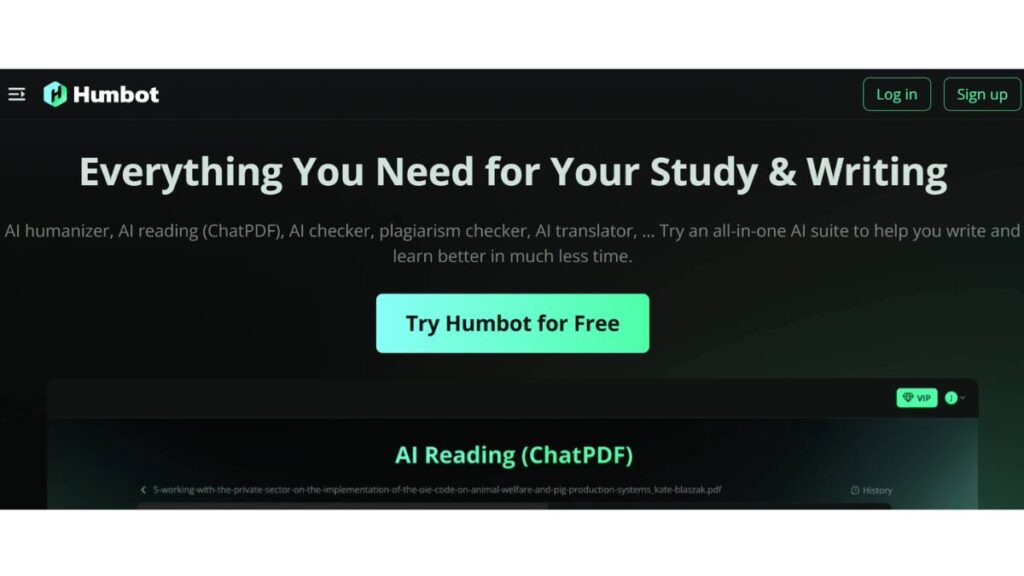
Humbot keeps things straightforward. Drop in a Spotify or YouTube link, and it generates a text-based summary.
No extra features. No heavy customization. Just direct summarization.
Best for:
- Marketers pulling insights quickly
- Content writers researching episodes
- Fast content scanning
Sometimes simplicity wins.
5. NoteGPT Podcast Summarizer; Best Notetaking-Focused Summaries
NoteGPT leans into structured summaries built for note retention. It supports RSS feeds and episode links, generating concise but organized breakdowns.
It’s especially useful when summaries need to double as study notes or structured documentation.
Ideal for:
- Academic use
- Ongoing learning series
- Research compilation
The summaries feel closer to curated notes than casual recaps.
6. Notta AI Podcast Summarizer: Best for Transcription-Integrated Summaries
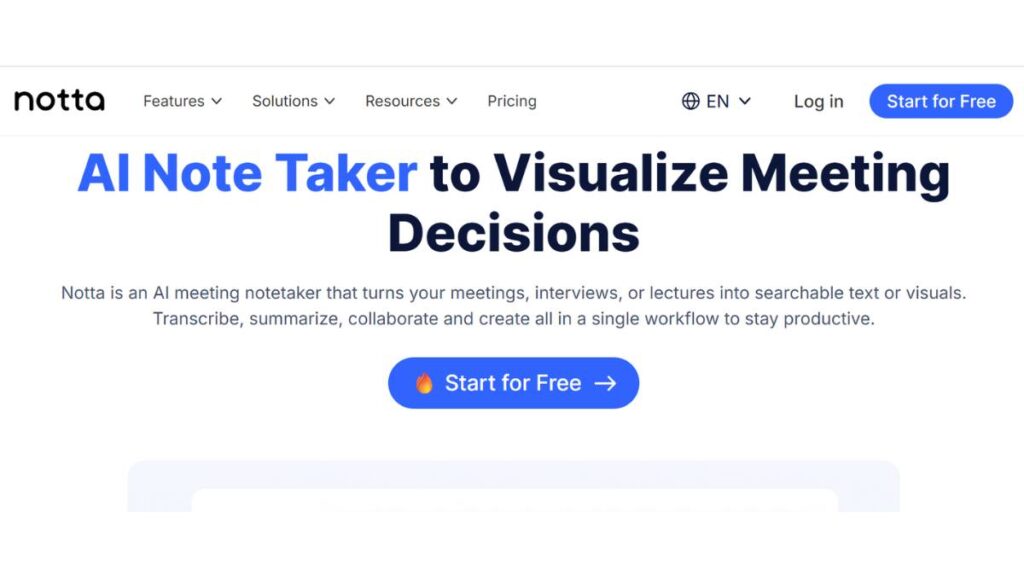
Notta combines detailed transcription with layered summarization. That dual approach allows users to move from full transcript to condensed insight seamlessly.
Strong choice when:
- Accuracy matters
- Direct quote extraction is required
- Legal or technical content is involved
It’s more comprehensive than lightweight summarizers.
7. Awime Podcast Summarizer: Best Fast Summary Generator
Awime emphasizes speed. It processes episodes quickly and categorizes topics clearly.
The summaries are concise, often broken into digestible sections. For high-volume workflows, that speed can be valuable.
Useful for:
- Weekly podcast monitoring
- Industry trend tracking
- Competitive content review
Not overly elaborate, but efficient.
8. PodYap AI Podcast Summarizer: Best for Team Collaboration
PodYap is built with teams in mind. It combines transcript access with shared summary workspaces.
This makes it easier for:
- Marketing teams
- Editorial departments
- Content agencies
Multiple users can review summaries, extract quotes, and repurpose content collaboratively.
For organizations handling large podcast volumes, that structure reduces internal back-and-forth.
9. Mapify AI Podcast Summarizer; Best for Visual Podcasts & Speaker Mapping
Mapify adds speaker distinction and visual mapping into the mix. It separates speakers clearly and organizes conversation flow visually.
That’s particularly helpful when:
- Episodes feature multiple guests
- Panel discussions need clarity
- Debate-style formats are common
The added layer of speaker tracking improves readability.
10. Castmagic / Bonus Mentions; Podcast Summarizer Tools Worth Trying
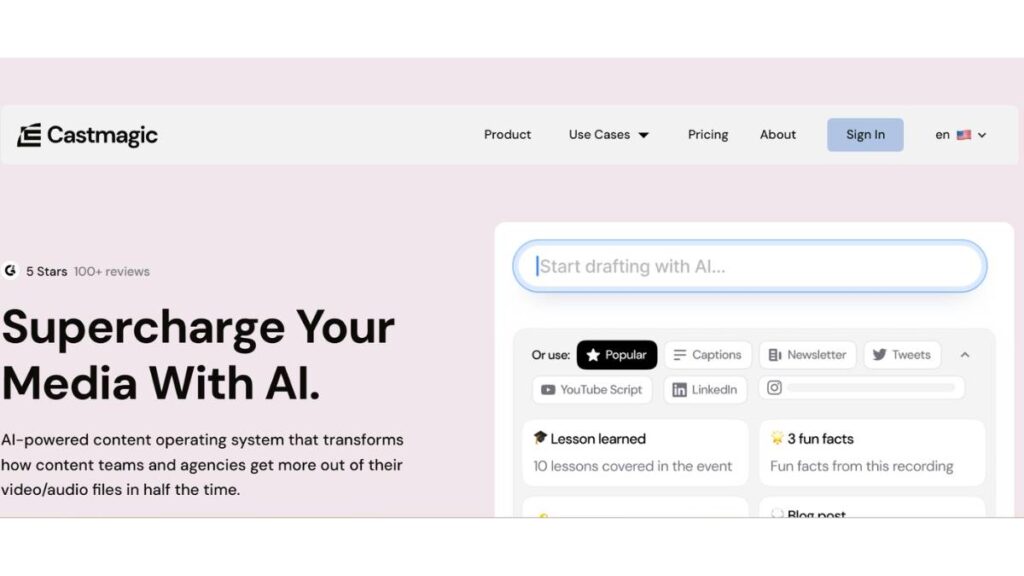
Castmagic and similar tools like Snipd, Podsqueeze, and getrecall.ai round out the ecosystem.
These platforms often include:
- Quote extraction
- Social media snippet generation
- Show note automation
- Multi-format content outputs
They’re particularly appealing to content creators who want more than just a summary; they want ready-to-publish assets.
Choosing among these depends less on brand name and more on workflow fit. The “best” podcast summarizer is the one that aligns with how summaries will actually be used.

Enroll Now: Advanced Digital Marketing Course
How to Summarize Any Podcast Using AI: Step-by-Step
Using a podcast summarizer effectively isn’t complicated. But there’s a right way to approach it if the goal is high-quality output.
Here’s a practical workflow.
Choose Your Podcast Summarizer Tool
Start by defining purpose.
Are summaries for:
- Internal research?
- Blog content?
- Study notes?
- Social media repurposing?
Different tools emphasize different outputs. Visual summaries, transcript-heavy tools, and collaboration platforms each serve different needs.
Pick based on outcome, not features alone.
Paste Link or Upload the Audio
Most podcast summarizers allow:
- Spotify episode links
- Apple Podcasts URLs
- YouTube podcast videos
- Direct MP3 uploads
- RSS feed imports
Uploading clean audio generally improves results. If pulling from streaming platforms, ensure the episode is publicly accessible.
Simple step. But important.
Customize Your AI Summary (Length, Detail Level, Output Format)
This step is often overlooked.
Before generating the summary, decide:
- Short overview or detailed breakdown?
- Bullet points or paragraphs?
- Include timestamps?
- Extract quotes separately?
Customization affects usability later. A one-paragraph summary won’t support a full blog post. A detailed, sectioned summary might.
Define the end goal first. Then generate.
Review & Edit Your Podcast Summary for Accuracy
Even the best podcast summarizer benefits from human review.
Scan for:
- Misinterpreted statements
- Missing nuance
- Over-compressed sections
- Formatting inconsistencies
A quick edit pass sharpens clarity. It also ensures the summary reflects the episode accurately, especially if it’s being repurposed publicly.
Think of the tool as the first draft. Not the final word.
Export & Repurpose Your Summary (Show Notes, Blog Posts, Social Media)
Once refined, the summary becomes a flexible content asset.
It can be transformed into:
- SEO-focused blog articles
- Email newsletters
- LinkedIn thought pieces
- Twitter threads
- Internal knowledge base entries
This is where the real leverage appears.
One long podcast episode, once summarized properly, can fuel multiple distribution channels. That’s an efficient content strategy, not just convenience.
And that’s ultimately why podcast summarizer tools are gaining traction. They turn audio into structured, reusable insight.
Podcast Summarizer Use Cases
A podcast summarizer isn’t just a convenience tool. It changes how people consume audio, how teams distribute knowledge, and how brands turn conversations into assets. The real value shows up in everyday workflows; when time is tight, attention is scattered, and content needs to travel across platforms.
Different audiences use podcast summaries differently. That’s where the strategy gets interesting.
For Busy Listeners: Quick Takeaways from Long Episodes
Not everyone has 90 minutes to sit through a full episode. In reality, most don’t.
Busy professionals, founders, consultants, and even casual listeners; they want the core ideas without the fluff. A strong podcast summary gives them:
- The main thesis of the episode
- 5–10 key takeaways
- Actionable insights
- Notable quotes
- Important timestamps
Instead of abandoning an episode halfway, listeners scan the summary first. If it resonates, they’ll dive deeper. If not, they’ve still captured the value.
It also changes how people discover content. When summaries clearly outline themes, topics, and insights, readers can quickly decide whether an episode aligns with their interests. No guessing. No wasted time.
In a world where attention is fragmented, clarity wins.
For Students & Researchers; Study Notes & Lecture Summaries
Students often use podcasts as supplemental learning, interviews, industry discussions, and deep dives. The problem? Audio is hard to revise.
A structured podcast summary turns a long-form conversation into something usable:
- Condensed explanations of complex topics
- Definitions and core arguments
- Logical breakdown of themes
- Highlighted examples
- Organized bullet points for quick review
Instead of replaying sections repeatedly, students can scan, annotate, and extract insights directly from the summary. It becomes a study guide rather than just background listening.
Researchers benefit too. When reviewing multiple episodes across a topic, summaries make it easier to compare viewpoints, identify recurring ideas, and extract citations or quotes efficiently.
Audio becomes reference material, not just passive content.
For Content Creators: Blog Posts & Show Notes
For creators, a podcast summary is not the end product. It’s raw material.
One episode can become:
- A blog post
- Multiple LinkedIn posts
- Twitter threads
- Email newsletter content
- Instagram carousels
- Short-form scripts
And it starts with a clear, structured summary.
Well-written podcast summaries simplify content repurposing. Instead of re-listening and manually pulling highlights, creators can quickly extract:
- Strong opening hooks
- Contrarian viewpoints
- Action steps
- Memorable quotes
- Data points
Good show notes also improve episode engagement. When listeners see detailed summaries with timestamps and key insights, they’re more likely to click, save, or share.
Content doesn’t have to live in one format anymore. A summary becomes the bridge.
For Marketers: Repurposing Audio Content to Search-Driven Content
This is where strategy matters.
Brands investing in podcasts often overlook one thing: audio alone is hard to surface in search environments. Conversations disappear unless they’re transformed into structured written assets.
A podcast summary solves that problem.
Marketers use summaries to:
- Turn interviews into long-form articles
- Create topic-specific landing pages
- Extract keyword-focused content themes
- Build FAQ sections from spoken questions
- Generate optimized show notes
It’s also about positioning. When a brand consistently publishes detailed episode summaries, it builds topical authority over time. Each episode reinforces a category, a niche, a set of ideas.
And here’s the nuance: the summary shouldn’t just recap. It should clarify, structure, and elevate the discussion. Pull out the argument. Define the insight. Remove filler. Keep the signal.
That’s how audio becomes a long-term growth asset instead of a one-time broadcast.
The Bigger Picture
A podcast summarizer serves different audiences in different ways, but the underlying value is the same: clarity.
- Listeners save time.
- Students retain information better.
- Creators multiply content output.
- Marketers turn conversations into discoverable assets.
Audio is powerful, but structure is what gives it reach.
The brands and individuals who treat summaries as strategic tools rather than afterthoughts are the ones who extract the most value from every episode published.
FAQs:
1. Is Podcast Summarizer Better Than Manual Notes?
“Better” isn’t always the right word. Faster? Almost always. A podcast summarizer can break down a 60-minute episode in a few minutes, which is hard to ignore. But manual notes capture emphasis, emotion, and instinct; the little things. Many professionals use summaries as a starting draft, then layer in their own thinking afterward.
2. How Accurate Are AI Podcast Summaries?
In most cases, accuracy is surprisingly solid, especially with clear audio and structured conversations. Where things get tricky is with technical debates, overlapping speakers, or abstract concepts. The main points usually land correctly. The nuance sometimes needs tightening. A quick review alongside the audio keeps everything aligned.
3. Can AI Podcast Summarizers Export Timestamps & Quotes?
Yes, and this is where summaries become genuinely practical. Timestamps create structure. Quotes preserve voice. That combination turns a simple recap into something usable for content, research, or team discussions. Still, it’s smart to verify quotes before publishing them publicly. Minor wording shifts can change intent.
4. What Languages Do Podcast Summarizers Support?
Most major languages are supported, with English typically performing best. Spanish, German, and French follow closely behind. Strong accents or mixed-language discussions can slightly affect clarity. It’s not a dealbreaker; just something to be aware of when accuracy really matters.
5. What Is the Best Free Podcast Summarizer Online?
Free tools are great for casual use and quick takeaways. They tend to limit length or formatting options, but they handle basic summaries well. For heavier workflows, longer episodes, structured notes, and exports, and pand aid versions usually feel more stable and consistent. The “best” option really depends on how often it’s used.
6. Can a Podcast Summarizer Generate Show Notes Automatically?
Yes, and it can save a surprising amount of time. A summarizer can structure an episode into an overview, key themes, and highlight moments quickly. That said, strong show notes often need light editing to sharpen tone and emphasis. Automation handles structure. Human review adds polish and clarity.
7. Does a Podcast Summarizer Work with Spotify and Apple Podcasts Links?
Often, yes; as long as the episode feed is accessible. Some tools work directly with streaming links, others rely on RSS feeds or uploaded audio. Compatibility can vary slightly. It’s worth confirming before building a workflow around a specific platform.
8. Can I Use a Podcast Summarizer for YouTube Podcast Videos?
Absolutely. If the podcast is published as a YouTube video, the spoken audio can still be summarized. Clear sound quality makes a noticeable difference. Multi-speaker panels generally work fine, though speaker distinction might not always be perfect. For most use cases, the output is very workable.
9. How Long Does an AI Podcast Summarizer Take to Generate a Summary?
Typically just a few minutes, even for longer episodes. Short episodes can be processed almost instantly. Compared to manual listening and note-taking, the time savings are significant. For teams publishing weekly content, those minutes compound into hours saved over time.
10. Are AI Podcast Summarizers Accurate for Technical or Niche Topics?
They handle structure well, but highly technical material can lose subtle depth. Specialized terminology and layered arguments sometimes require closer review. The summary usually captures the direction of the conversation. Fine details, especially in data-heavy discussions, benefit from human refinement.
11. Can a Podcast Summarizer Create Bullet-Point Summaries Instead of Paragraphs?
Yes, and many users prefer that format. Bullet points make scanning easier and isolate key ideas quickly. Paragraph summaries feel more narrative. Bullet formats feel more tactical. The right format depends on whether the summary is for quick review or broader distribution.
12. Is There a Podcast Summarizer App for Android and iOS?
Some platforms offer dedicated mobile apps, while others operate smoothly in mobile browsers. For quick summaries while traveling or commuting, mobile access works well. Desktop versions typically offer deeper formatting and export controls. Both serve different practical needs.
13. Do Podcast Summarizer Tools Support Multiple Languages?
Yes, many support multiple languages and can summarize multilingual episodes. Performance can vary depending on clarity and dialect. For international podcasts, reviewing the summary before publishing ensures that tone and meaning remain intact.
14. Can a Podcast Summarizer Extract Key Quotes and Timestamps?
In many cases, yes. That feature alone makes summaries more actionable. Timestamps help locate specific moments. Quotes retain the speaker’s phrasing. It’s still wise to confirm accuracy before reusing quotes externally; precision matters, especially in professional contexts.
15. Is Podcast Summarizer Software Safe and Secure to Use?
Security varies by provider. Established platforms outline their data handling practices clearly and use encrypted processing. For public podcast episodes, risk is generally low. For private recordings or internal meetings, reviewing privacy policies beforehand is simply responsible practice.
16. Can I Upload My Own Audio File to a Podcast Summarizer Tool?
Most tools allow uploads in common formats like MP3 or WAV. This expands their usefulness beyond podcasts; webinars, team meetings, and interviews. File size limits may apply, especially on free plans. For longer recordings, splitting the file can help.
17. How Is a Podcast Summarizer Different from a Transcript Generator?
A transcript generator captures every spoken word, including filler and repetition. A podcast summarizer condenses and organizes the conversation into themes and takeaways. Transcripts are exhaustive. Summaries are selective. Many professionals use transcripts for documentation and summaries for clarity and distribution.
18. Can AI Podcast Summarizers Help with Podcast SEO Optimization?
Yes. Audio alone isn’t easily discoverable in text-based search environments. A written summary turns spoken content into structured, searchable material. Clear headings and organized sections increase visibility. Over time, consistent summaries build stronger topical coverage around specific themes.
19. What Is the Ideal Length for a Podcast Summary Generated by AI?
There’s no strict formula. Too short, and the context disappears. Too long, and it becomes a transcript in disguise. For most standard episodes, a few hundred words; enough to cover key ideas and insights; feels right. The goal is clarity, not compression for its own sake.